
Call Us : 207-994-5109
Mon – Fri: 8 am to 9 pm & Sat – Sun: 10 am to 8 pm
Sea-Doo’s all-around recreation platform for riders who want predictable handling, useful storage, passenger capacity and everyday versatility.
Sea-Doo Recreation is the practical middle of the lineup. GTI and GTI SE are large enough for three riders, carry
more than 40 gallons of storage and use an 18.5-gallon tank, yet remain lighter and simpler than ST3 touring
machines.
GTI is the baseline with 130 hp. GTI SE keeps the same hull and dimensions but adds convenience equipment and offers
130 or 170 hp. The important point is that SE is not a different hull. It is a different feature and power decision.
That makes the category unusually easy to shop. Ride a GTI, then decide whether boarding ladder, touring seat, VTS,
audio options and the 170-hp choice solve problems you actually noticed.
Families often overspend on performance before they understand the value of storage, reboarding and predictable low-speed control. The Recreation range is useful precisely because it puts those everyday needs ahead of race hardware.
The series should be approached as a rider-use decision rather than a ranking. A machine can be more powerful, more
stable or more heavily equipped and still be the wrong choice if those advantages do not show up during the owner’s
normal ride.
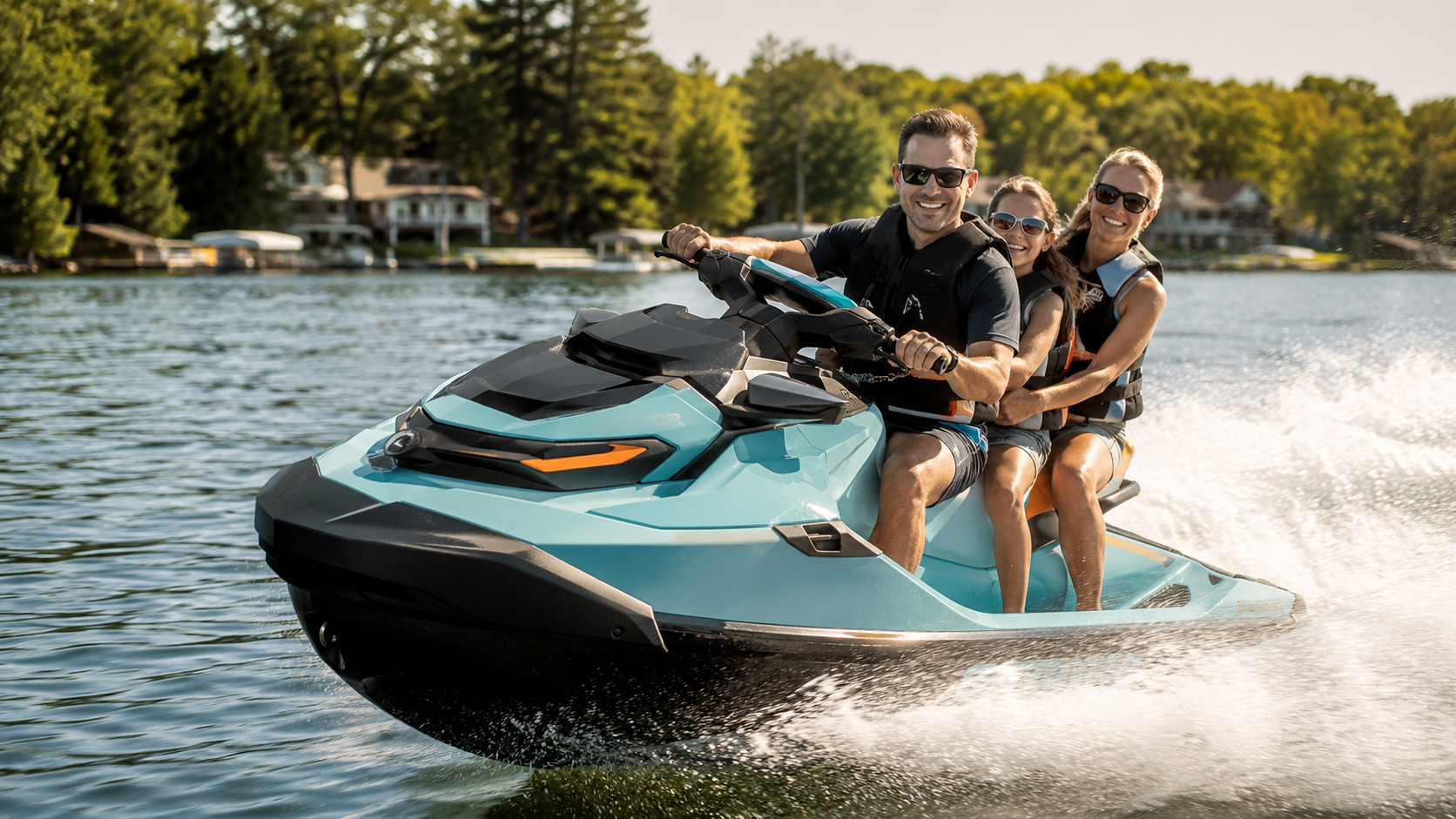
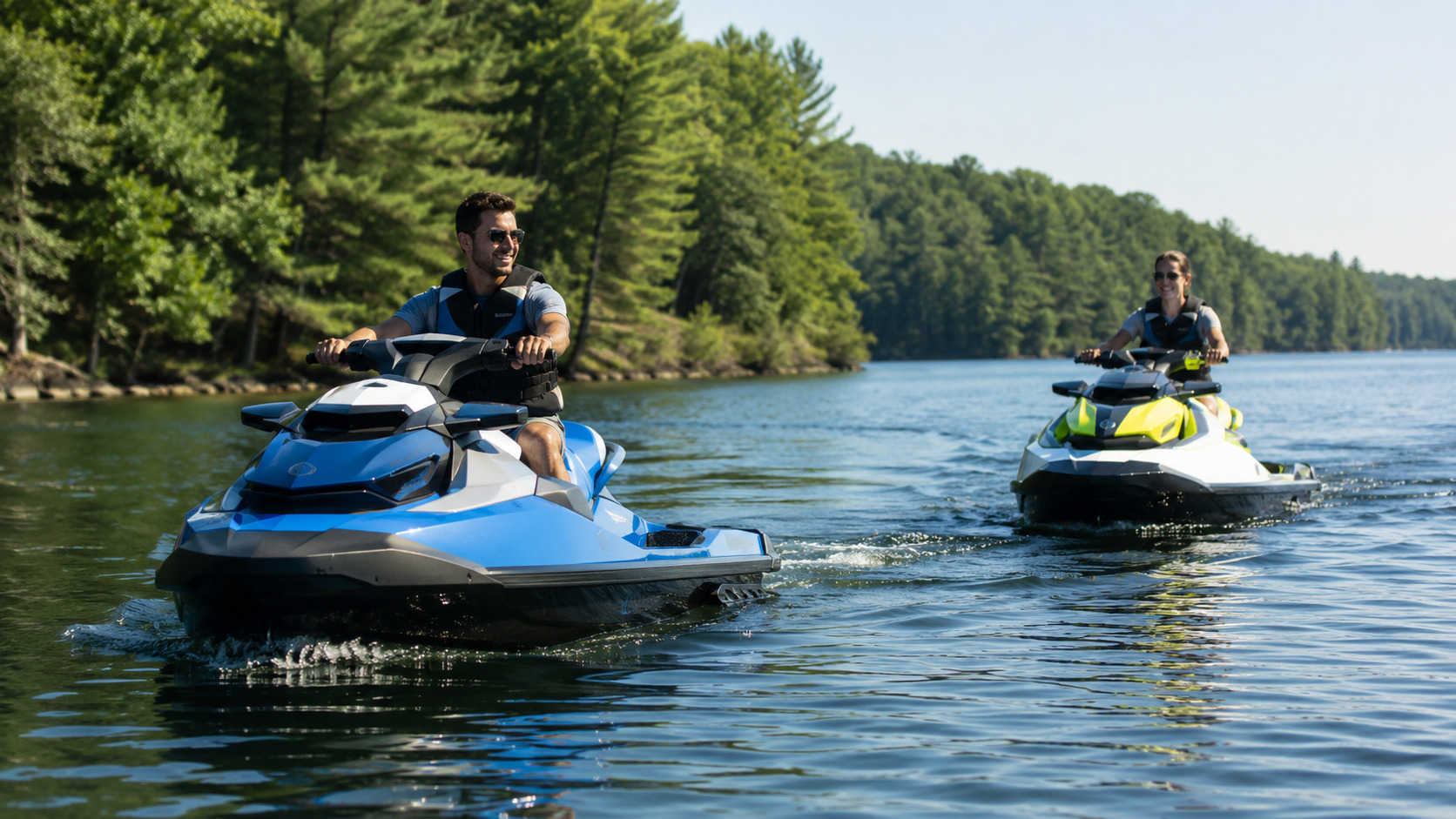
The GTI hull is Polytec and wide enough to support family use without the extra weight of the fiberglass ST3
platform.
Both GTI and GTI SE carry 40.3 gallons of storage, so moving to SE does not buy more cargo space. The premium goes
toward controls, comfort and engine choice.
GTI 130 stays naturally aspirated. GTI SE 170 adds power while remaining naturally aspirated, which creates a useful
middle ground between base recreation and supercharged GTR.
LinQ attachment points and a large swim platform make both models easier to use as day-base PWCs for snorkeling,
picnics or accessories.
Across the Sea-Doo Recreation Series, the purchase is also a trailer and storage decision. PWC dimensions are
compact compared with boats, but package weight, trailer length, garage height, accessory racks and the owner’s tow
vehicle still determine how spontaneous ownership feels.
The Recreation range is also a useful benchmark for the rest of Sea-Doo. Spark buyers can use GTI to decide whether
larger fuel and storage are worth the weight. GTR buyers can use GTI SE to decide whether they truly want a
supercharger. GTX buyers can use GTI to decide whether ST3 touring stability matters enough to accept a heavier
platform.
Sea-Doo categories solve different riding problems. Compare outside the current series when the rider keeps wishing
Compare this category when the rider's normal use shifts away from the core recreation series mission.
Compare this category when the rider's normal use shifts away from the core recreation series mission.
The model set in this guide includes GTI, GTI SE. Read the specifications together with the rider mission.
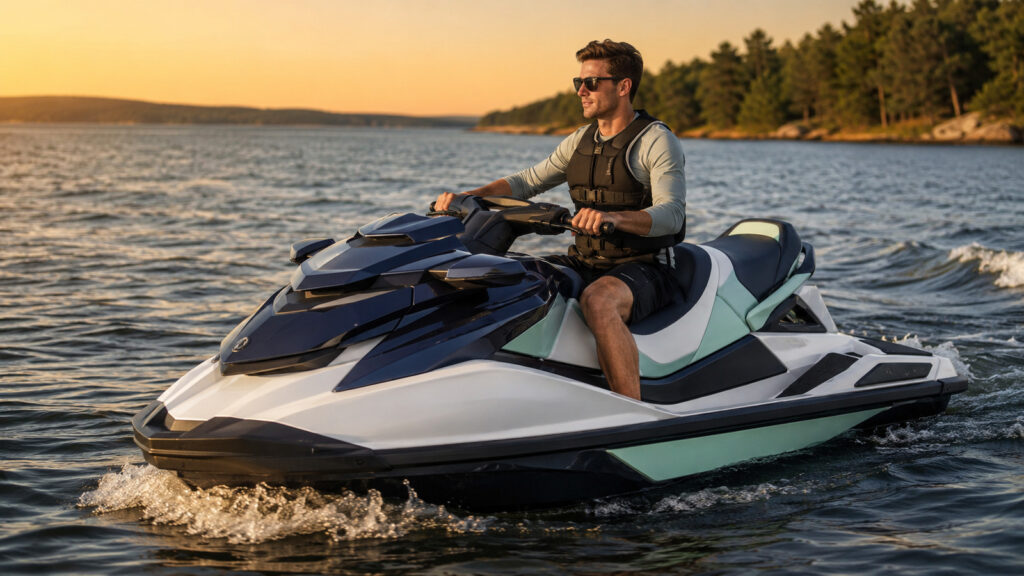
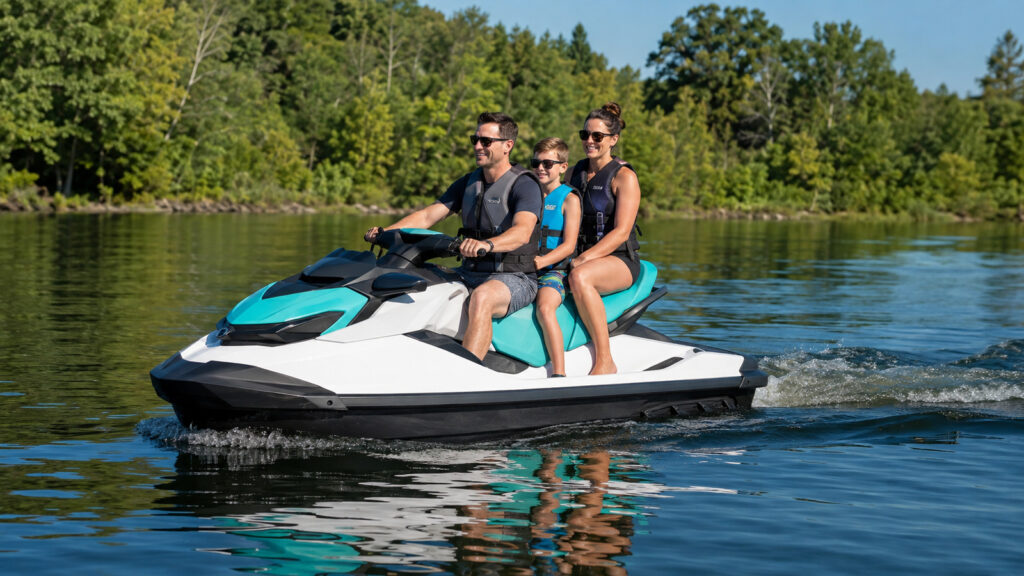
Choose GTI when 130 hp, three-rider capacity and large storage already solve the family’s day. It is the cleaner
value when convenience extras are not important.
Choose GTI SE when the ladder, touring seat and VTS will be used often, or when the buyer wants the 170-hp version
for towing and heavier passenger loads.
Move to GTX when rough-water touring and a larger ST3 platform matter more than keeping the machine lighter and
simpler.
Move toward GTR only when acceleration becomes the priority. A family that likes GTI behavior but wants more power
should test GTI SE 170 before jumping to a supercharged performance model.
A useful final check is to describe the normal Saturday in one sentence. If the selected Sea-Doo requires explaining
activities the owner rarely does, the category or model may be too specialized. If the features solve the same
problems every weekend, the premium is easier to justify.
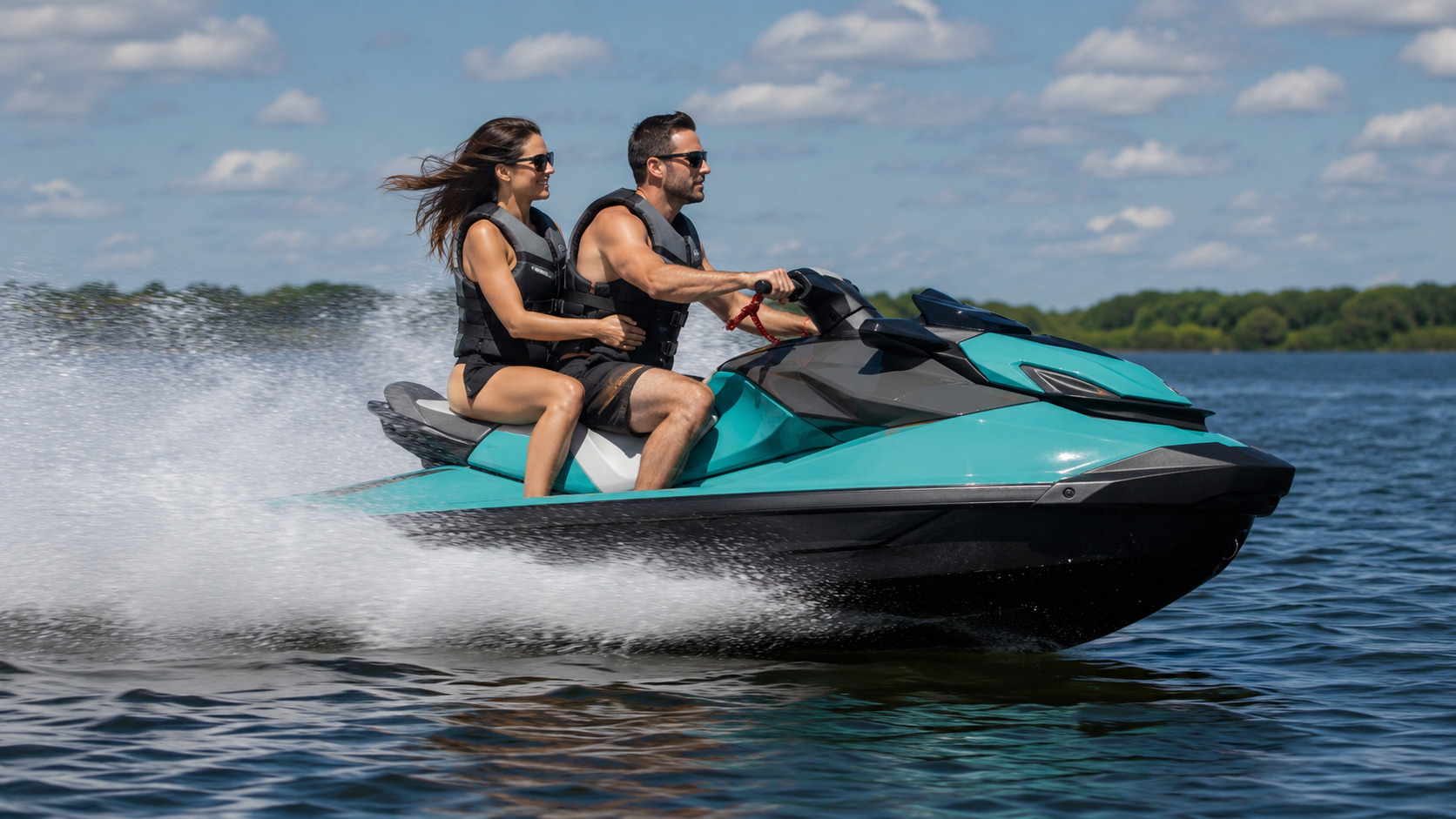
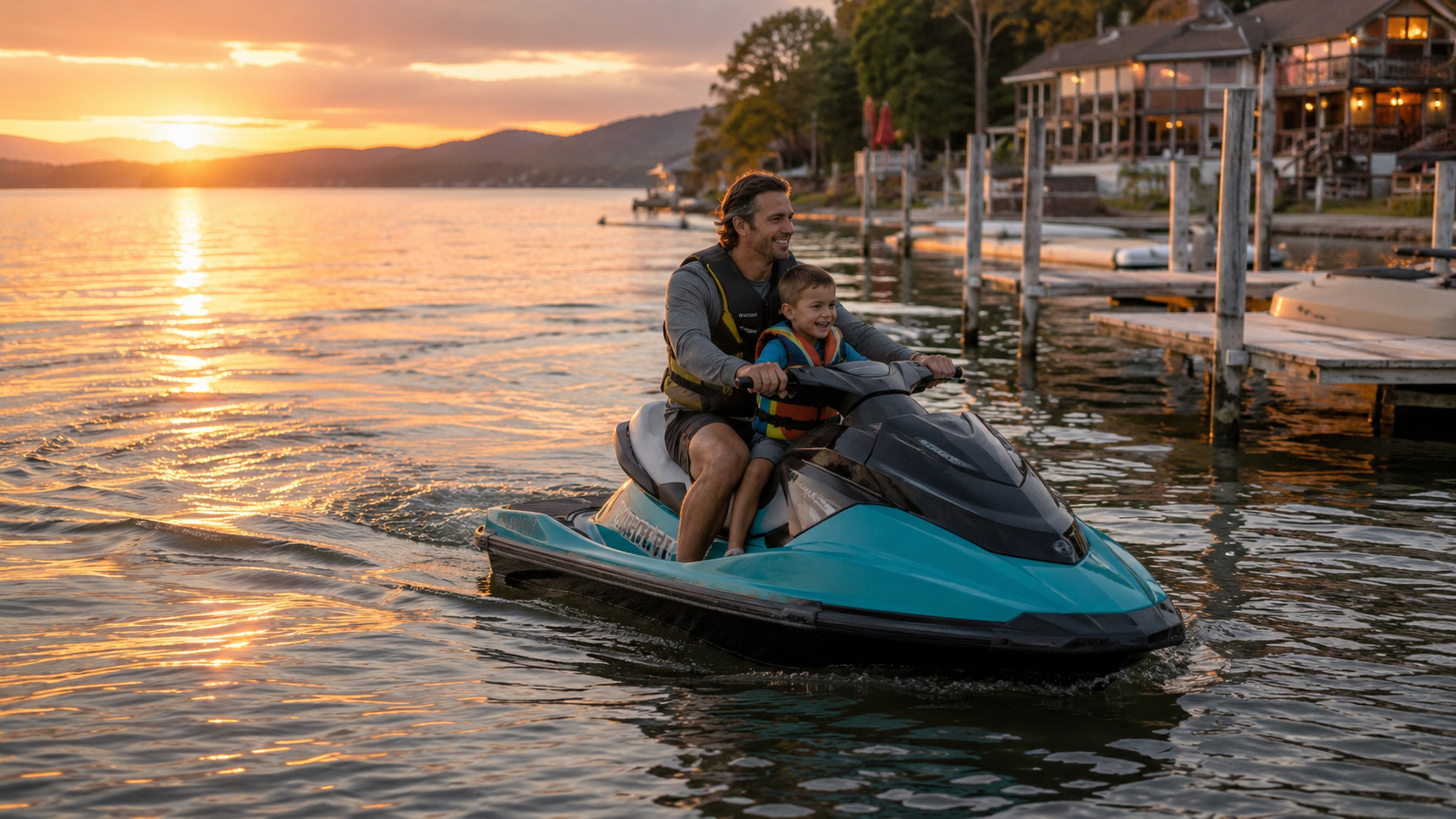
GTI-based machines are straightforward to trailer and store compared with larger ST3 models, but loaded trailer
weight still includes fuel, accessories and the trailer itself.
iBR should be tested every time a used machine is evaluated. Smooth neutral and reverse response matter as much as
braking because family owners use low-speed control constantly.
Large storage encourages owners to carry more gear. Secure that cargo and keep heavy items low so the craft remains
predictable with passengers.
the family truly uses. Recreation ownership should remain simple enough that the machine gets ridden often.
PWC ownership is also seasonal in many markets. Battery care, fuel condition, winterization or long-term storage,
trailer tires and bearings, and corrosion prevention can matter as much as engine hours. A low-hour machine that sat
neglected can require more correction than a well-used example with consistent maintenance.
Because GTI is often a family’s first full-size PWC, the trailer and launch routine deserves practice. Low-speed iBR
control, winch alignment, bow-stop position and how the craft sits on bunks can determine whether the machine gets
used often. A PWC that feels easy on the water but stressful at the ramp can still be the wrong ownership fit.
Use these topics to turn model comparison into a complete PWC purchase plan.
This guide covers GTI, GTI SE. The important differences are hull family, horsepower, rider ergonomics, storage and
The series fits buyers interested in Sea-Doo’s all-around recreation platform for riders who want predictable
Ride the smallest model that appears to fit, then test the next step up on the same water. The larger or more
GTI SE keeps the GTI hull and storage volume but adds convenience and comfort equipment such as a boarding ladder,
Inspect the hull bottom, intake grate, jet pump, iBR hardware, steering, seat, battery, display and trailer. Then
Float Finance can help consumers pursue marine financing for eligible Sea-Doo purchases, subject to borrower,
Tell us a little bit about yourself and the boat you are looking to finance.