Call Us : 207-994-5109
Mon – Fri: 8 am to 9 pm & Sat – Sun: 10 am to 8 pm
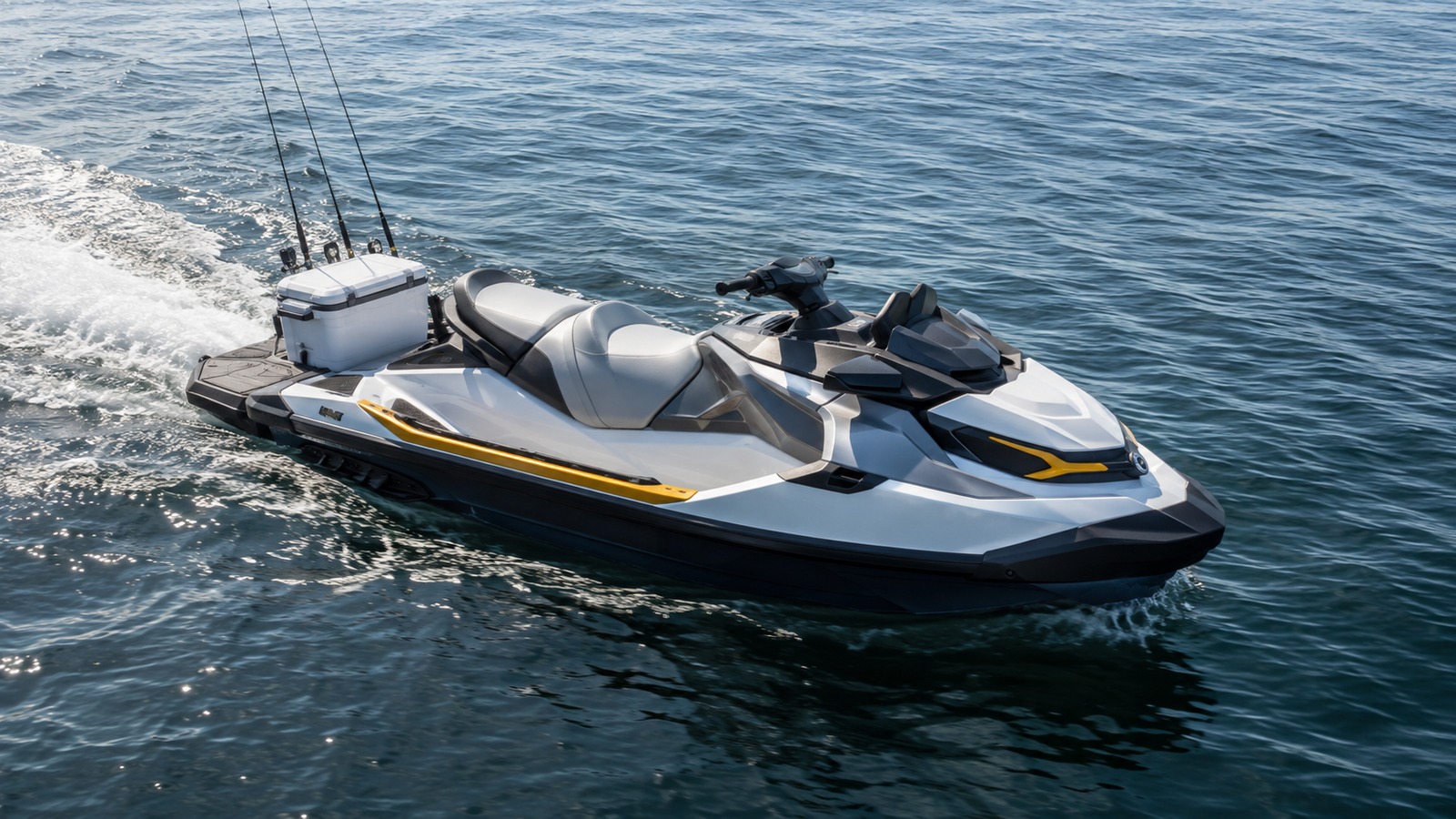
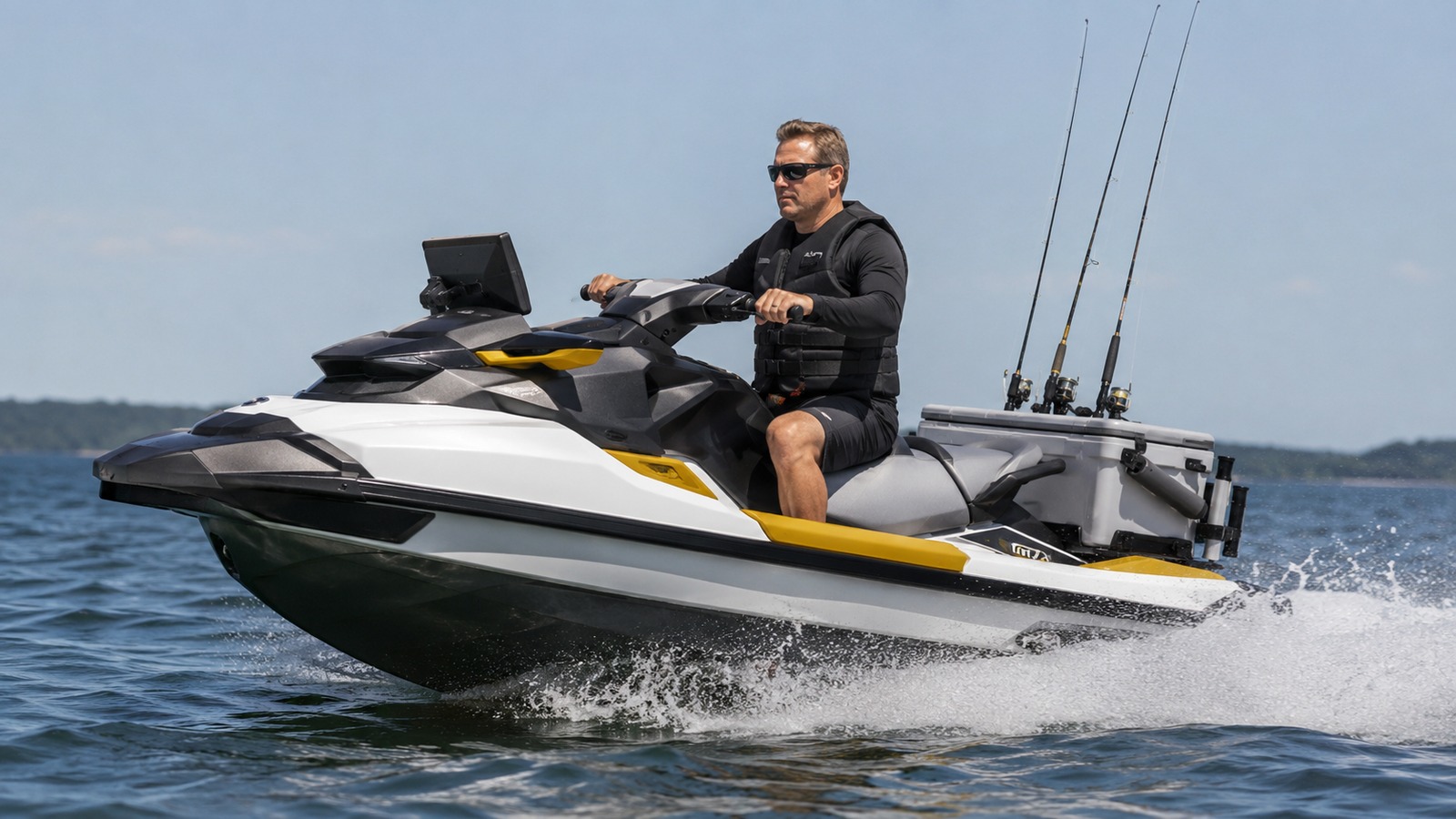
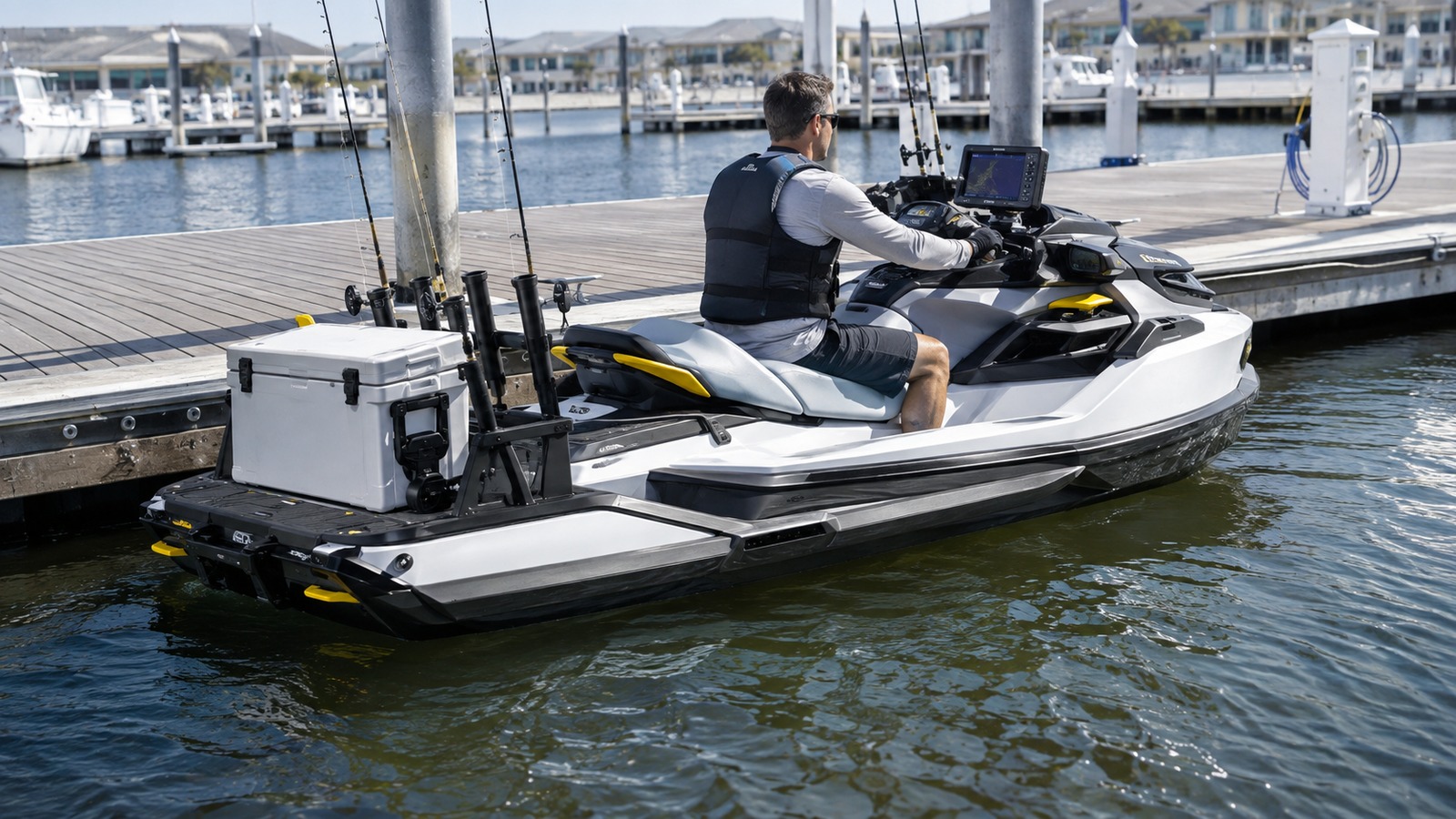
The longer, more stable FishPro built for anglers who travel farther, stand and move around more, and want the ST3 platform under a 170-hp naturally aspirated engine.
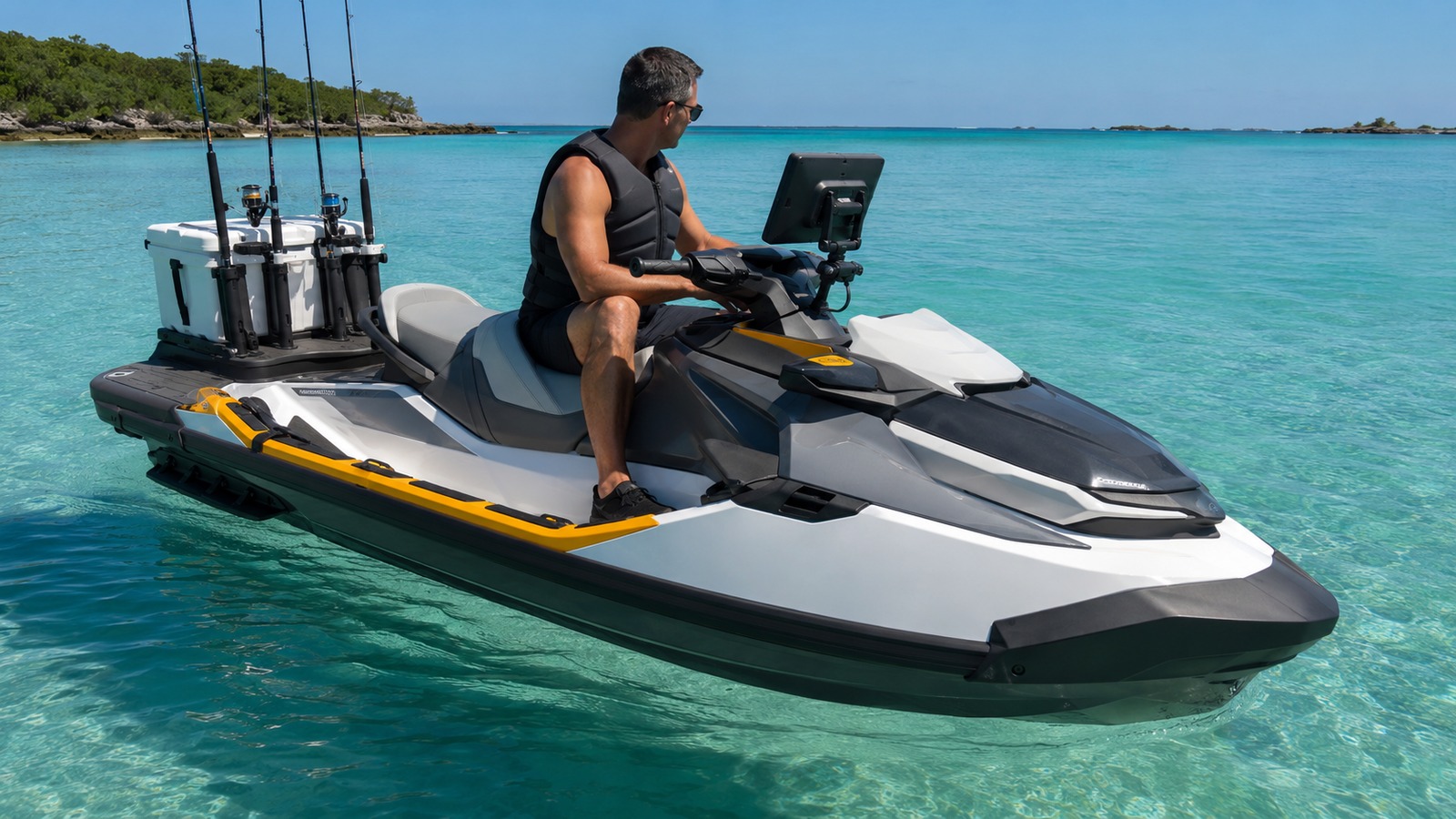
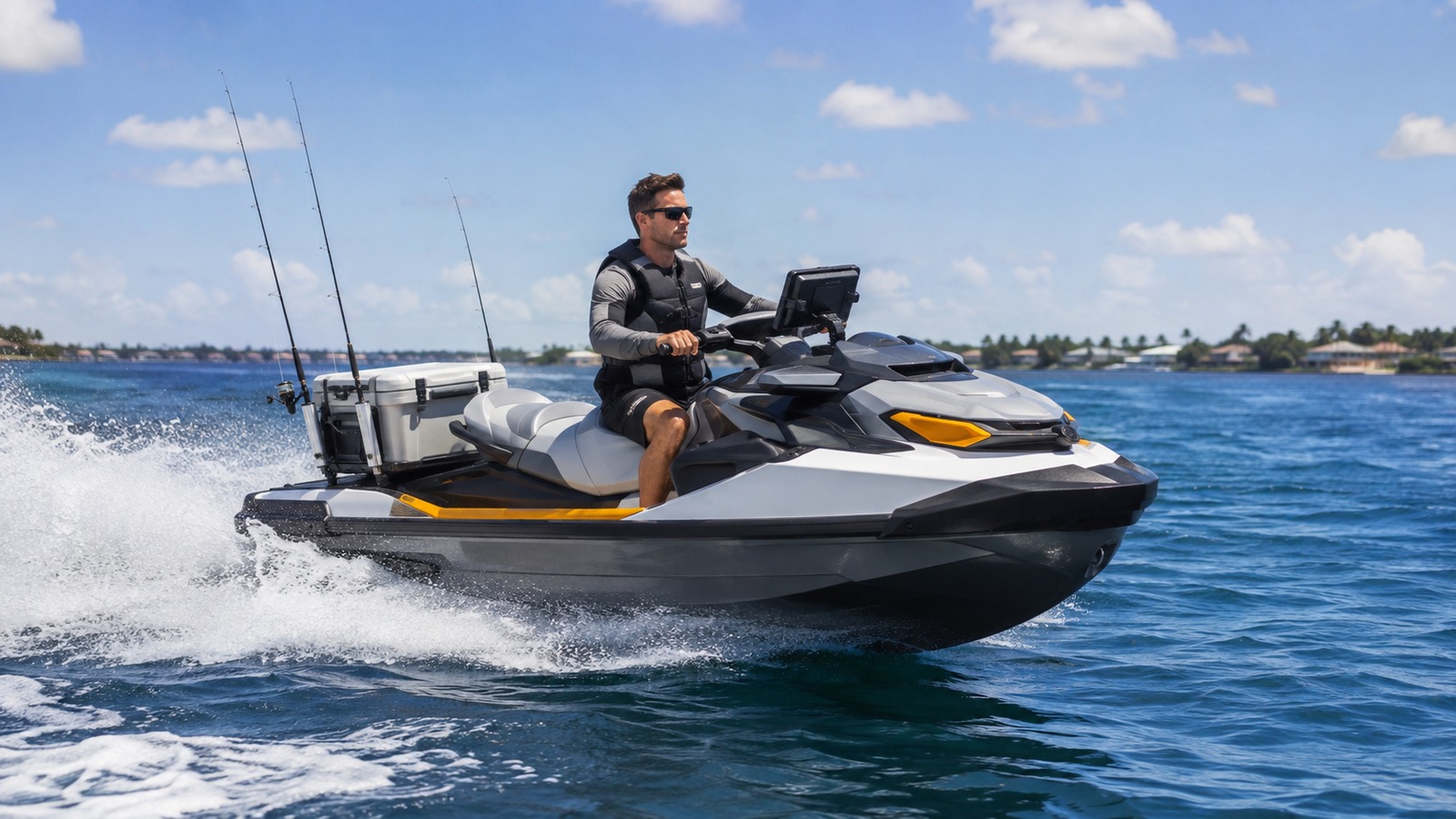
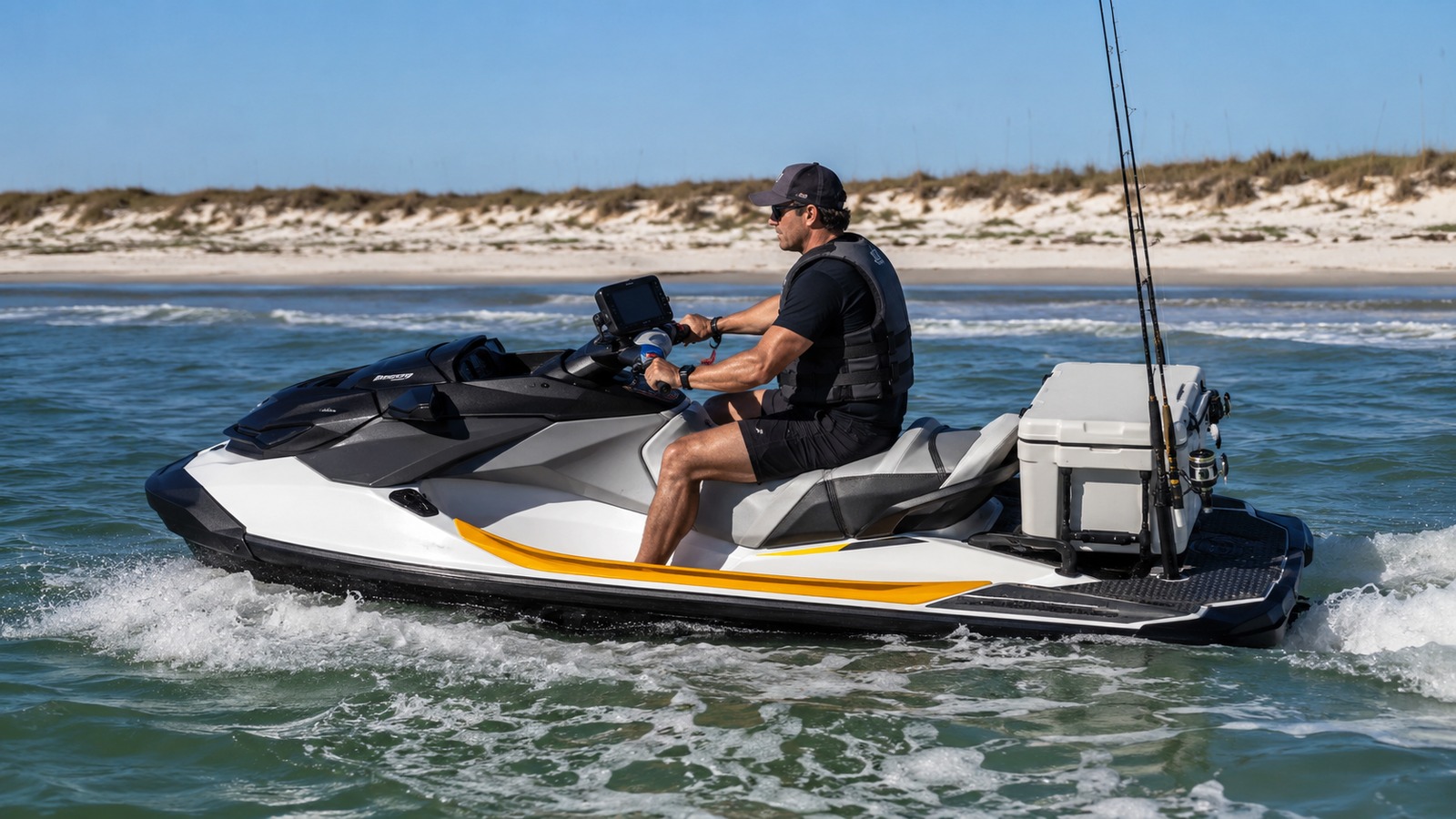
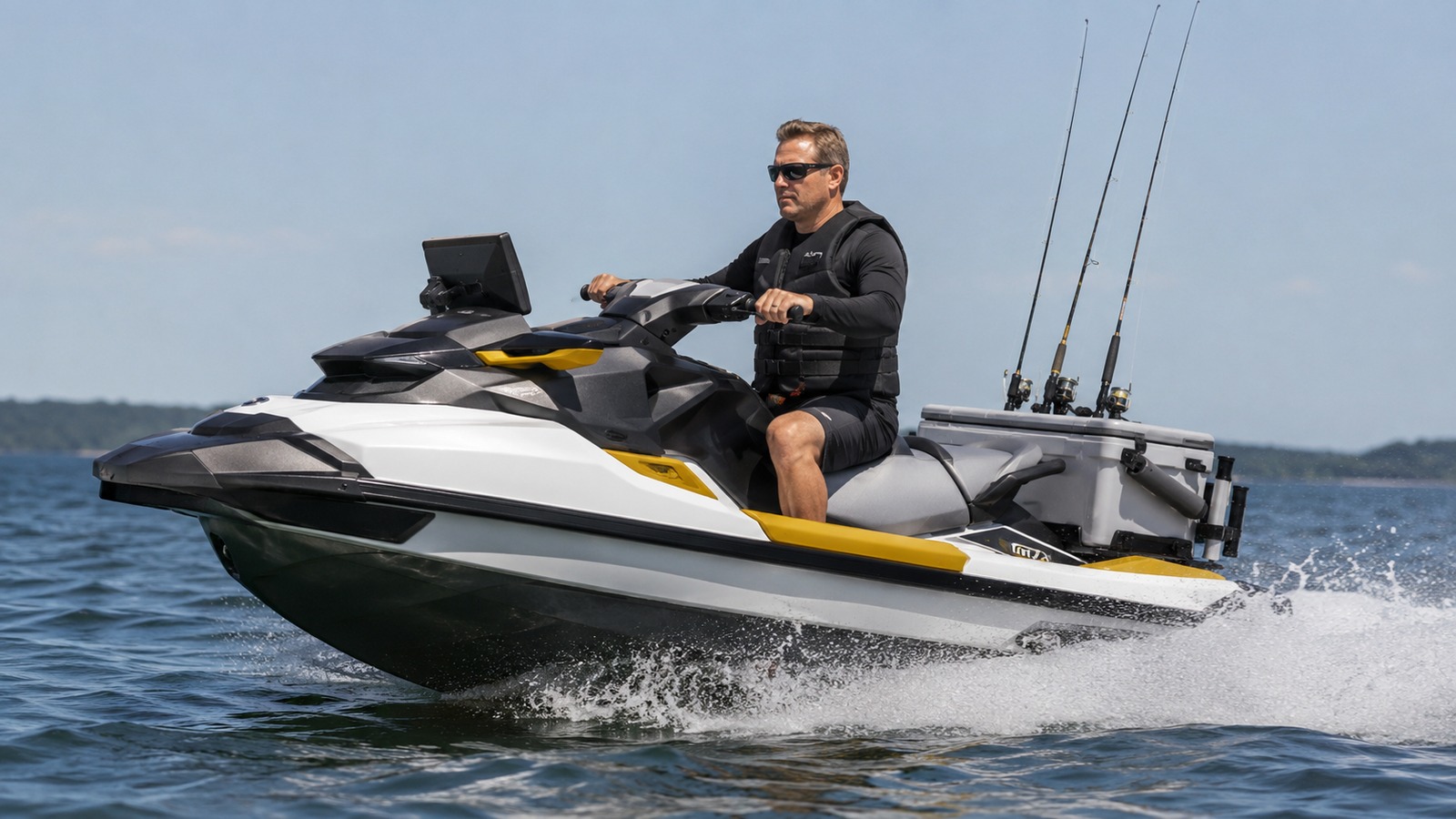
A FishPro Sport buyer is choosing a specific kind of ride: the longer, more stable FishPro built for anglers who travel farther, stand and move around more, and want the ST3 platform under a 170-hp naturally aspirated engine. It makes the most sense for fishing-focused riders who want more offshore confidence and deck length than FishPro Scout without carrying every specialized feature of Trophy. The model earns its place when longer fishing sessions, standing movement and travel to spots where a conventional boat is less convenient describes a normal weekend.
The 2026 reference platform is 146.8 in long and 49.6 in wide, carries 18.5 gal of fuel, stores 39.6 gal including fishing cooler and is rated for up to 3 riders; that matters on a long ST3 fishing platform. Power is 170 hp. For a Garmin-equipped fishing setup, those numbers matter because they set the scale of the trailer, passenger load and riding day, but they do not replace a fit test.
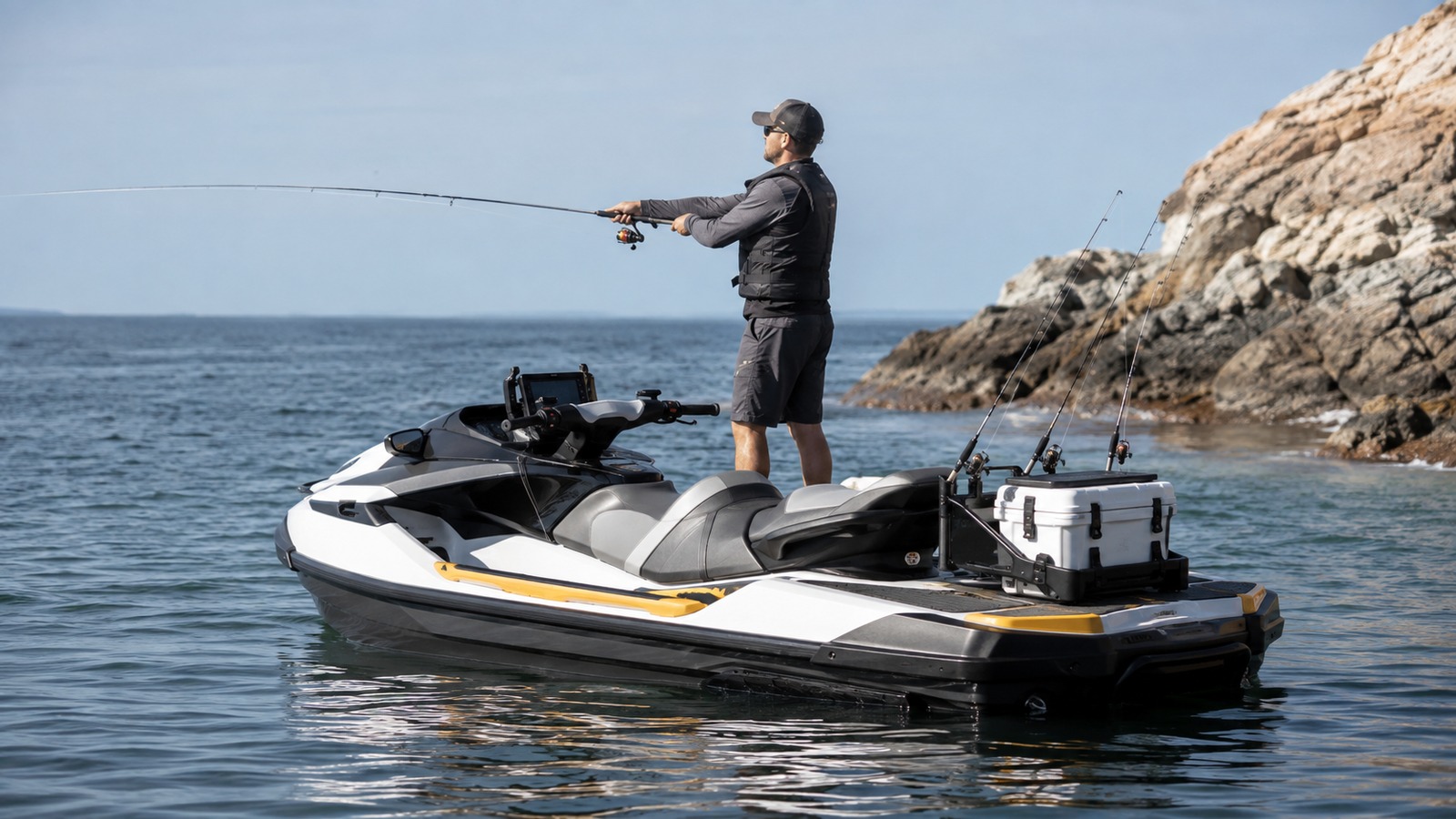
FishPro Sport shifts the emphasis toward fishing stability. The longer ST3 platform and 170 hp matter when the rider stands, moves gear and travels farther between spots.
The compromise is equally important. Sport is the balanced fishing model, but buyers who want factory livewell conversion, anchoring hardware, swivel seat and advanced fishing controls should step to Trophy, especially on an extended-deck FishPro package. On this 170-hp ST3 fishing PWC, the nearest useful comparison is FishPro Scout. If the rider keeps wishing the FishPro Sport behaved more like that alternative, the model decision should be settled before financing; that matters on a long ST3 fishing platform.
Published factory figures. Confirm every dimension against the individual boat before you commit.
The longer ST3 hull is the central upgrade from FishPro Scout. For a Garmin-equipped fishing setup, extra length and the fiberglass platform give the angler a more settled base when standing, moving gear or running across open water. That stability comes with more weight and a larger trailer footprint, especially on an extended-deck FishPro package. On this 170-hp ST3 fishing PWC, the sea trial should include standing still, slow trolling and crossing boat wakes, because fishing behavior at low speed is just as important as how the craft feels at cruise.
The ST3 Hull is built in Fiberglass, and the machine weighs 852 lb; 871 lb with sound system dry. Test it with the rider and passenger load the owner actually expects; that matters on a long ST3 fishing platform. For a Garmin-equipped fishing setup, a PWC can feel planted solo and noticeably different when another adult shifts weight during idle, reboarding or a turn.
Before launch, inspect the intake grate, hull bottom, ride-plate area and edges around the pump opening, especially on an extended-deck FishPro package. On this 170-hp ST3 fishing PWC, deep gouges, impact repairs or evidence of repeated beaching deserve more attention than upper-body cosmetics. Then cross the same wake from several angles so the buyer sees how the hull reacts instead of judging it from one straight acceleration run; that matters on a long ST3 fishing platform.
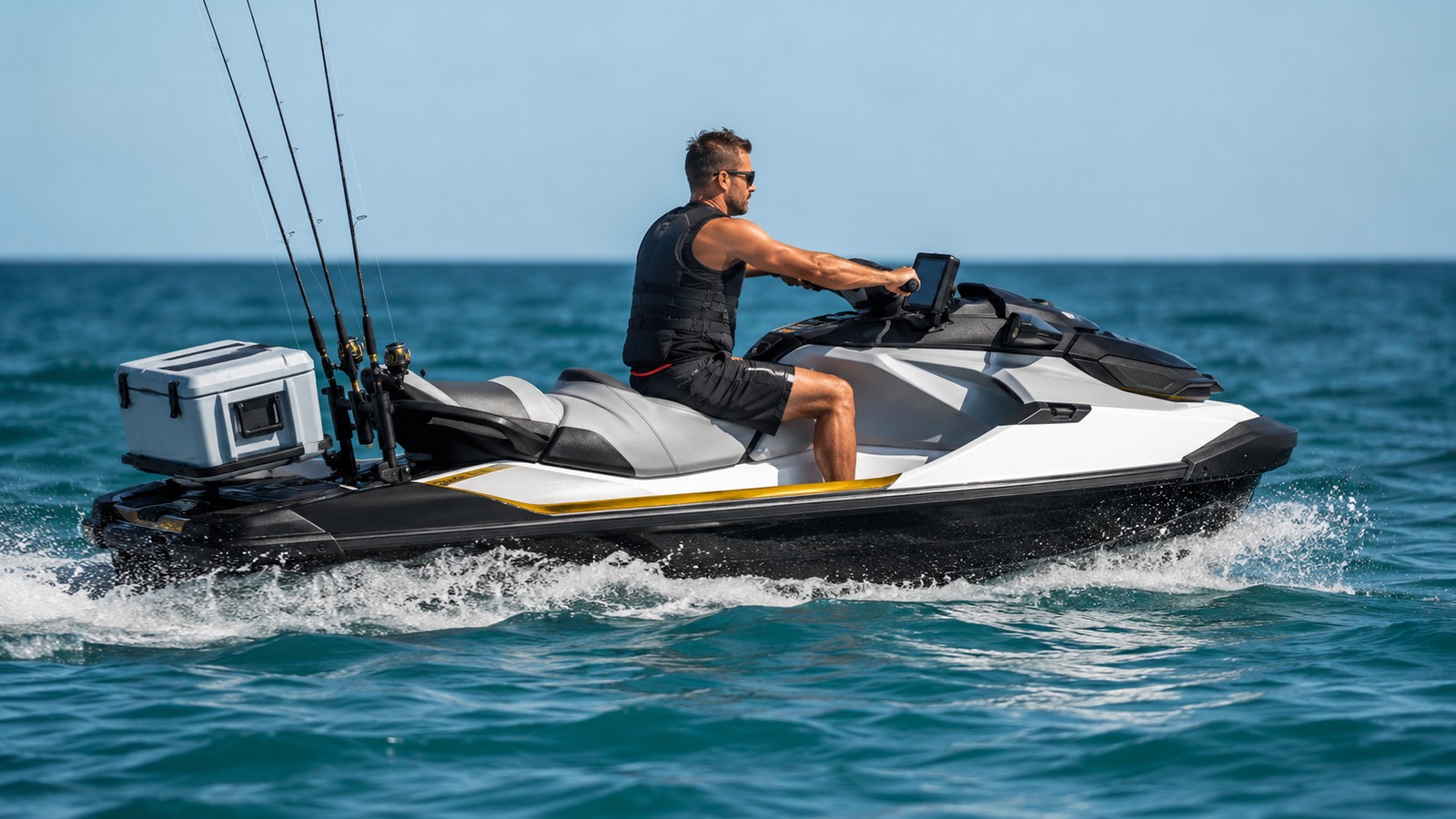
FishPro Sport’s 170-hp naturally aspirated engine adds useful reserve for the longer ST3 platform without introducing supercharger maintenance. For a Garmin-equipped fishing setup, that balance matters when gear, cooler weight and a passenger are aboard. The engine should bring the loaded craft onto plane without feeling strained, then settle into an efficient cruise, especially on an extended-deck FishPro package. On this 170-hp ST3 fishing PWC, the 170 is part of why Sport feels like a fishing platform rather than a performance PWC with rod holders.
Jet-pump condition belongs beside engine condition; that matters on a long ST3 fishing platform. For a Garmin-equipped fishing setup, the impeller, wear-ring area and intake can make a healthy Rotax 1630 ACE feel weak if the pump is damaged. During the ride, listen for cavitation and make sure engine speed translates into clean thrust, especially on an extended-deck FishPro package.
On this 170-hp ST3 fishing PWC, low-speed control should be tested after the machine is warm. iBR-equipped examples should move predictably between forward, neutral and reverse, because trailer loading, docking and rider pickup depend on that behavior; that matters on a long ST3 fishing platform. For a Garmin-equipped fishing setup, match the engine designation, hours and service records to the exact craft before comparing value.
The FishPro Sport carries 18.5 gal of fuel. For longer fishing sessions, standing movement and travel to spots where a conventional boat is less convenient, range should be learned from the exact machine’s display and the route the owner repeats, not from a universal mileage claim. Engine output changes the meaning of the tank, especially on an extended-deck FishPro package. On this 170-hp ST3 fishing PWC, a rider using 170 hp aggressively can see very different consumption from an owner cruising steadily, towing a rider or spending long periods trolling. Leave reserve for weather, detours and repeated acceleration; that matters on a long ST3 fishing platform. For a Garmin-equipped fishing setup, fuel also adds operating weight before passengers and cargo. When trailering, calculate the PWC, fuel, trailer and accessories together, especially on an extended-deck FishPro package. On this 170-hp ST3 fishing PWC, use the fuel grade specified for the exact engine package, and treat old fuel as a possible cause when a low-hour machine has sat for long periods.
The sea trial should reproduce longer fishing sessions, standing movement and travel to spots where a conventional boat is less convenient. That means more than a full-throttle pass: include idle control, normal cruise, several turns, wake crossings and the activity that makes this model different from FishPro Scout; that matters on a long ST3 fishing platform. For a Garmin-equipped fishing setup, rider ergonomics are part of performance. Seat shape, footwell support and handlebar reach determine whether the available 170 hp can be used without fatigue, especially on an extended-deck FishPro package. On this 170-hp ST3 fishing PWC, a rider who feels locked in comfortably will experience the same hull differently from someone fighting knee or wrist position. Add the normal passenger when the FishPro Sport will regularly carry one; that matters on a long ST3 fishing platform. Repeat low-speed turns, acceleration and reboarding; that matters on a long ST3 fishing platform. For a Garmin-equipped fishing setup, passenger weight changes a PWC immediately, so capacity on a specification sheet is not proof that the owner will enjoy the machine loaded. The useful result is confidence after a sustained ride, especially on an extended-deck FishPro package. On this 170-hp ST3 fishing PWC, if the pump cavitates, the steering needs constant correction or the rider keeps wishing for the FishPro Scout’s platform, investigate the setup or change models before deciding the behavior is simply normal.
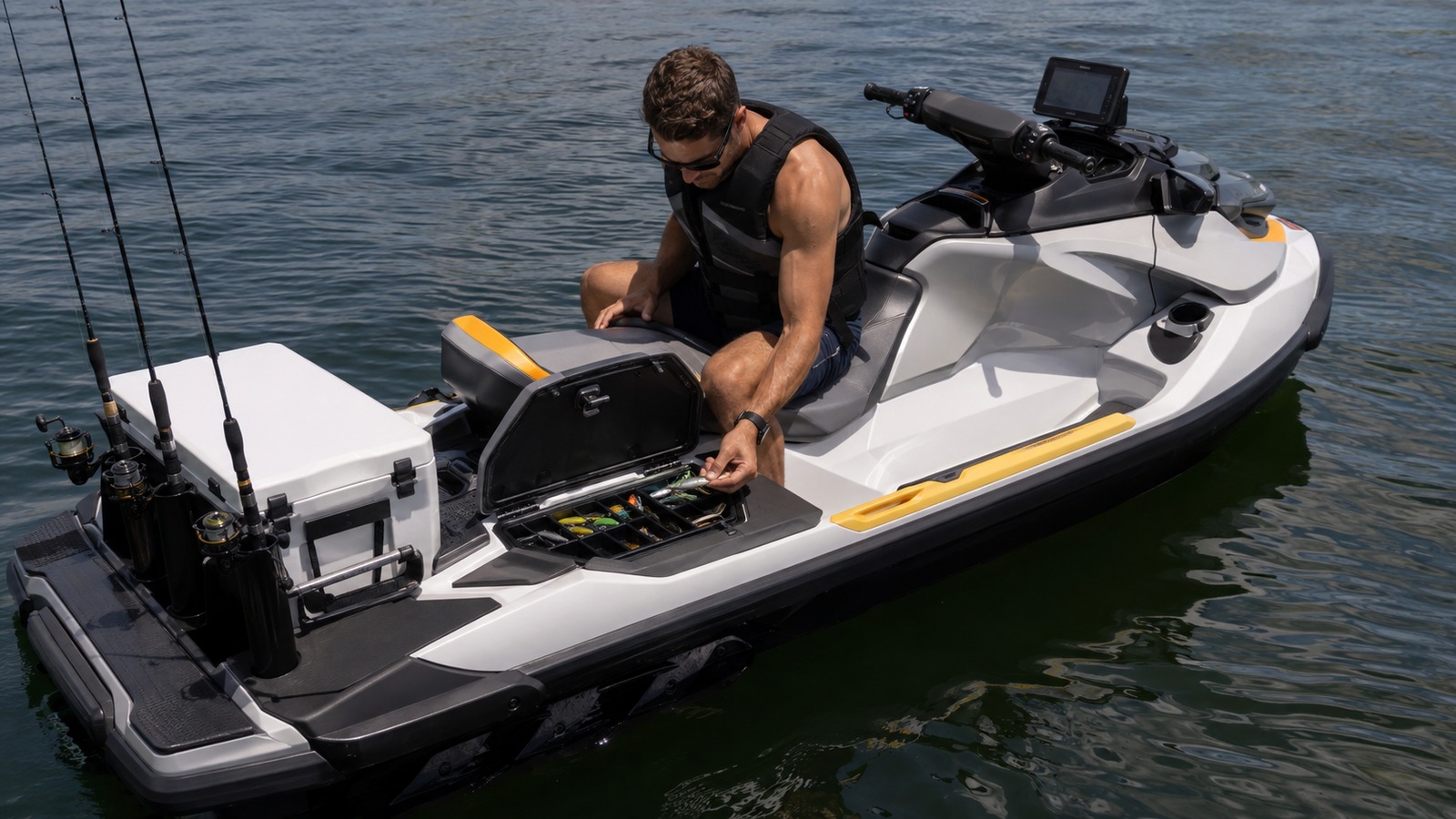
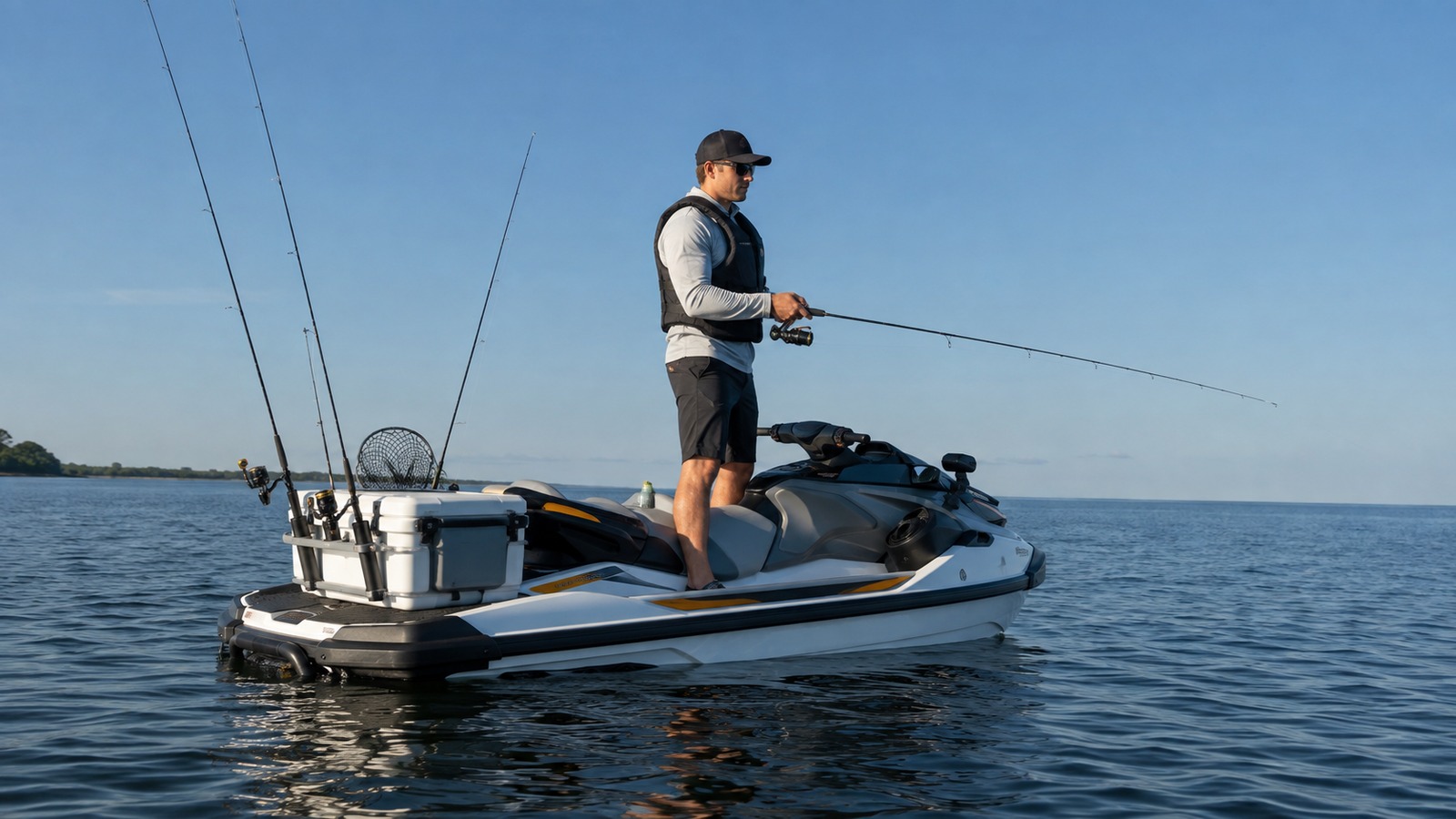
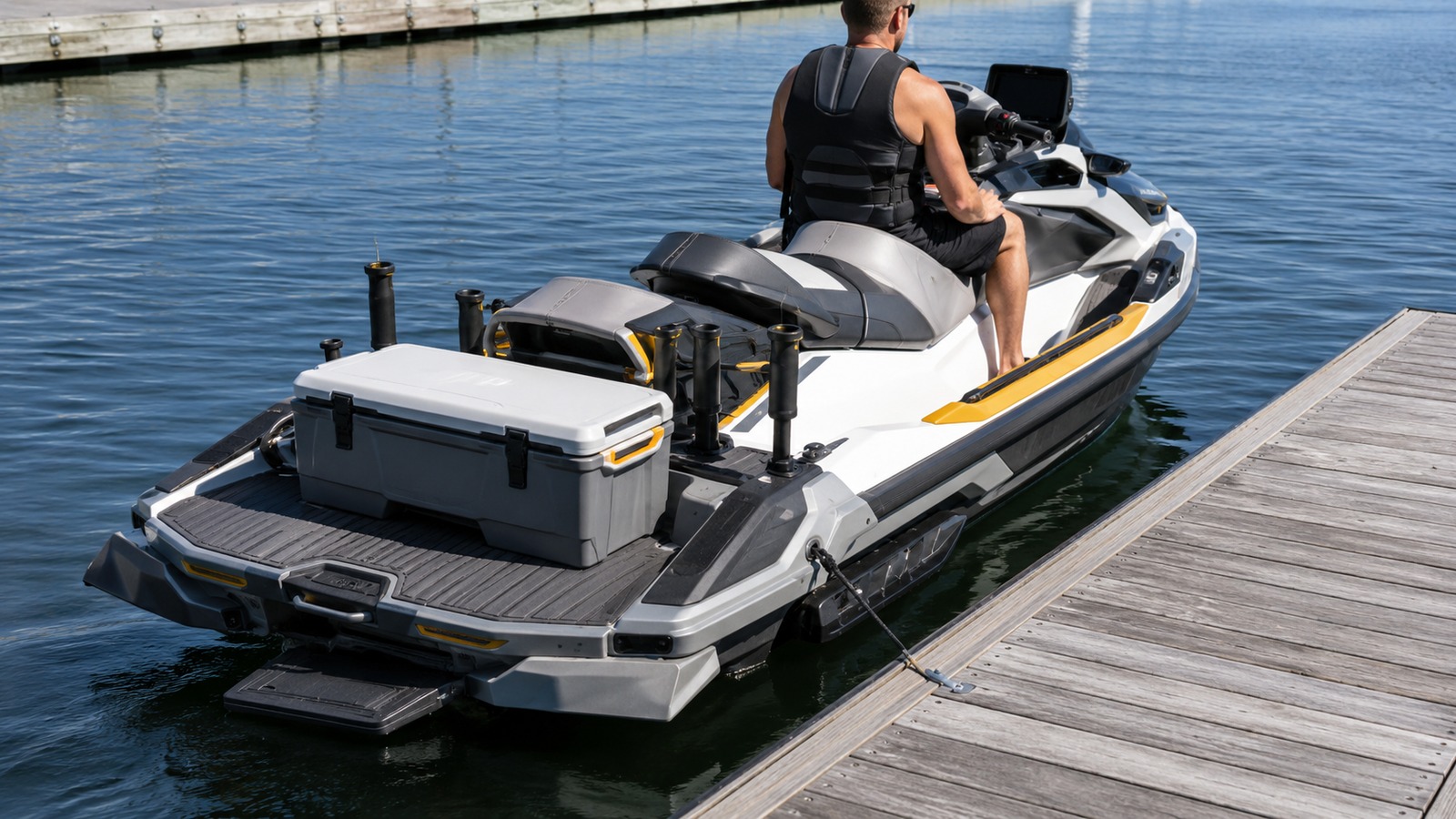
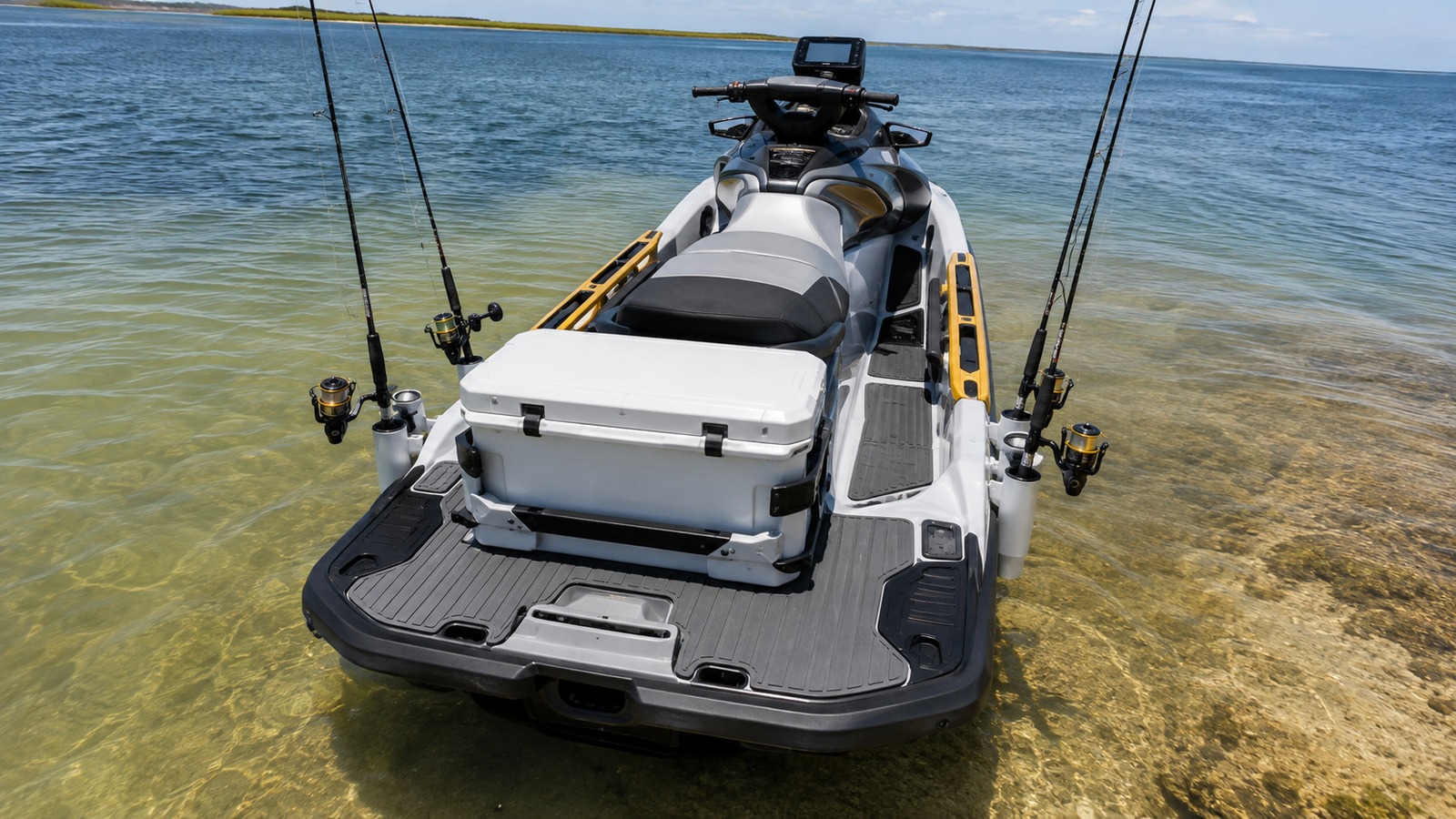
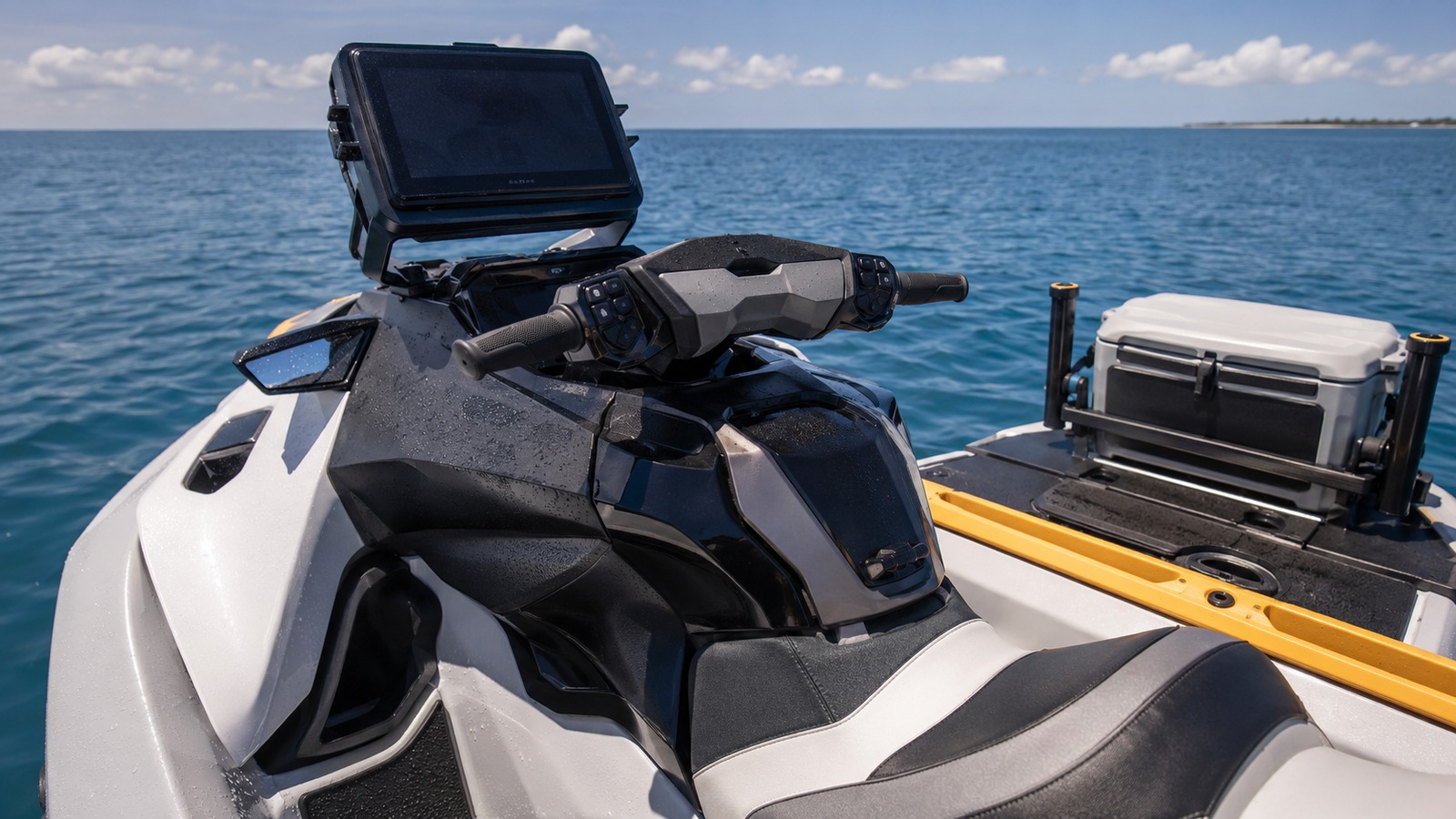
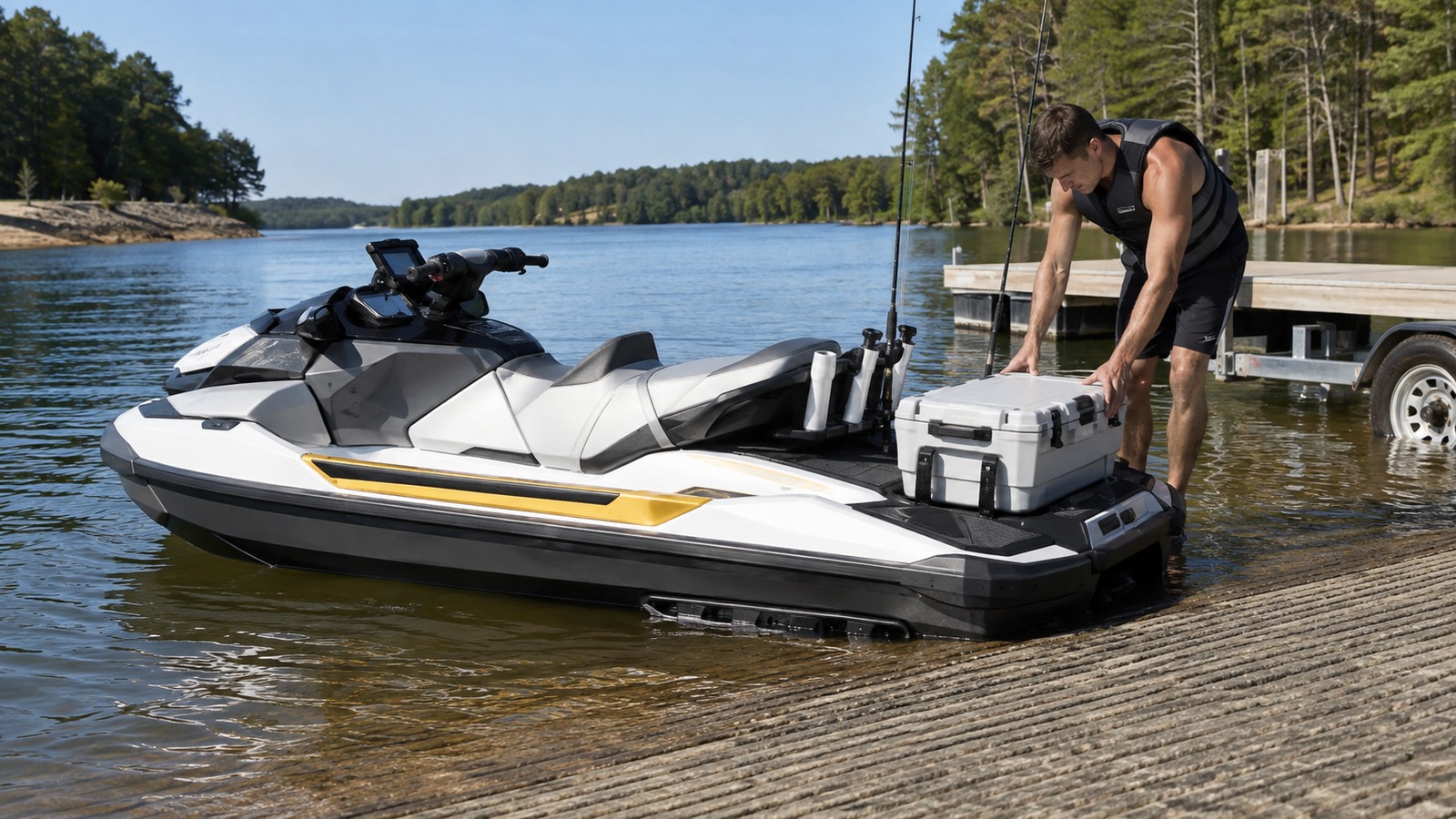
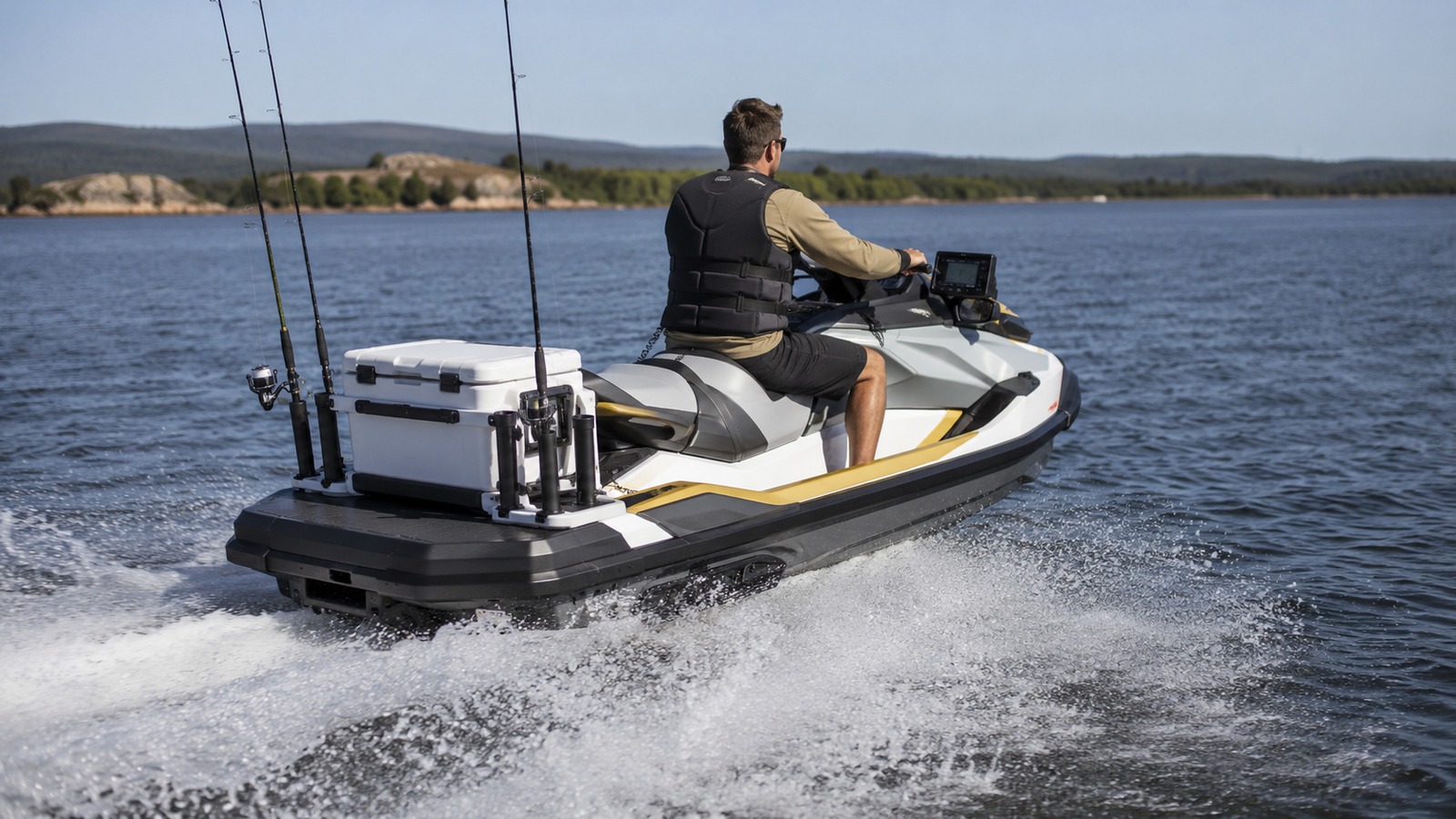
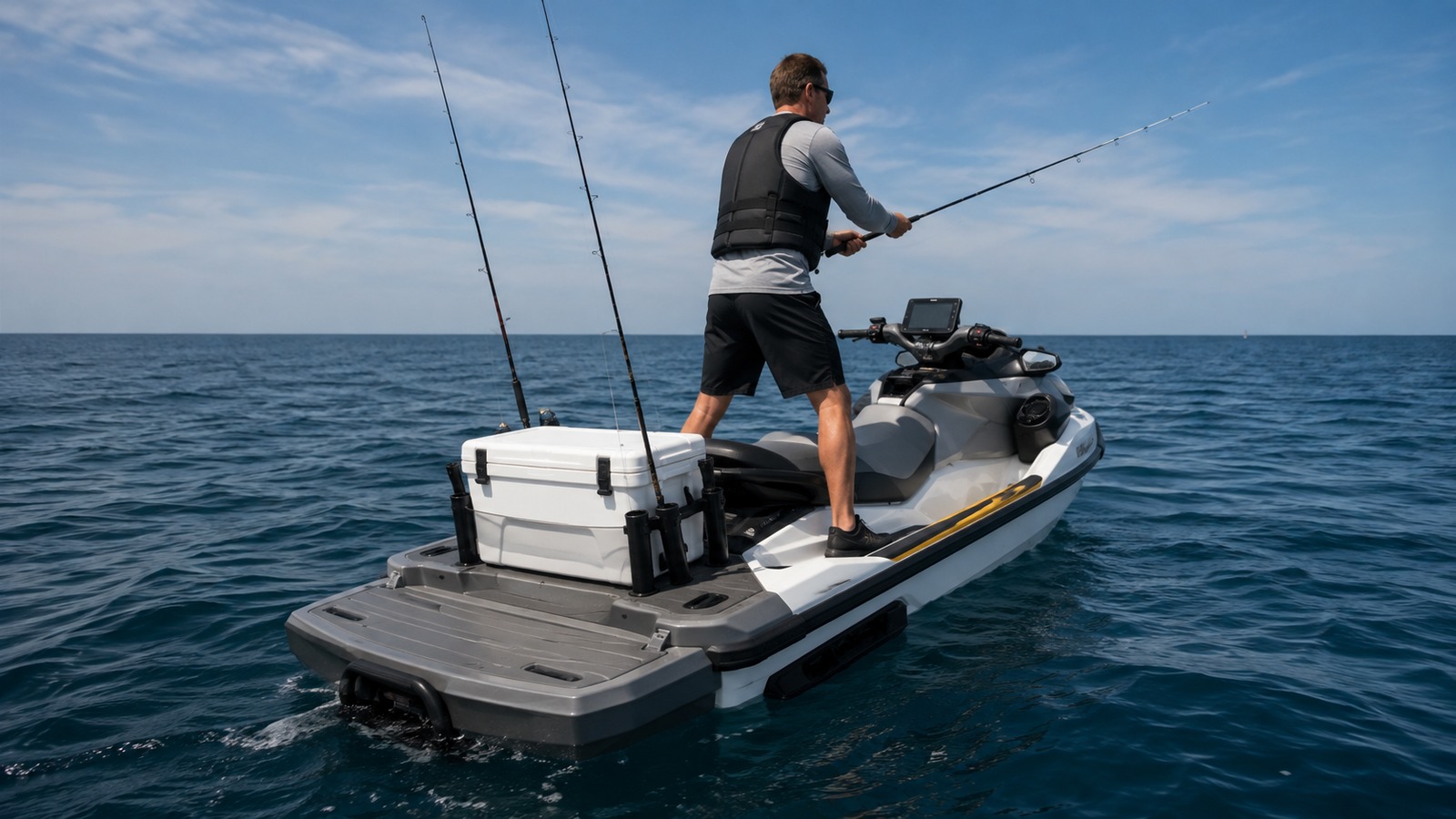
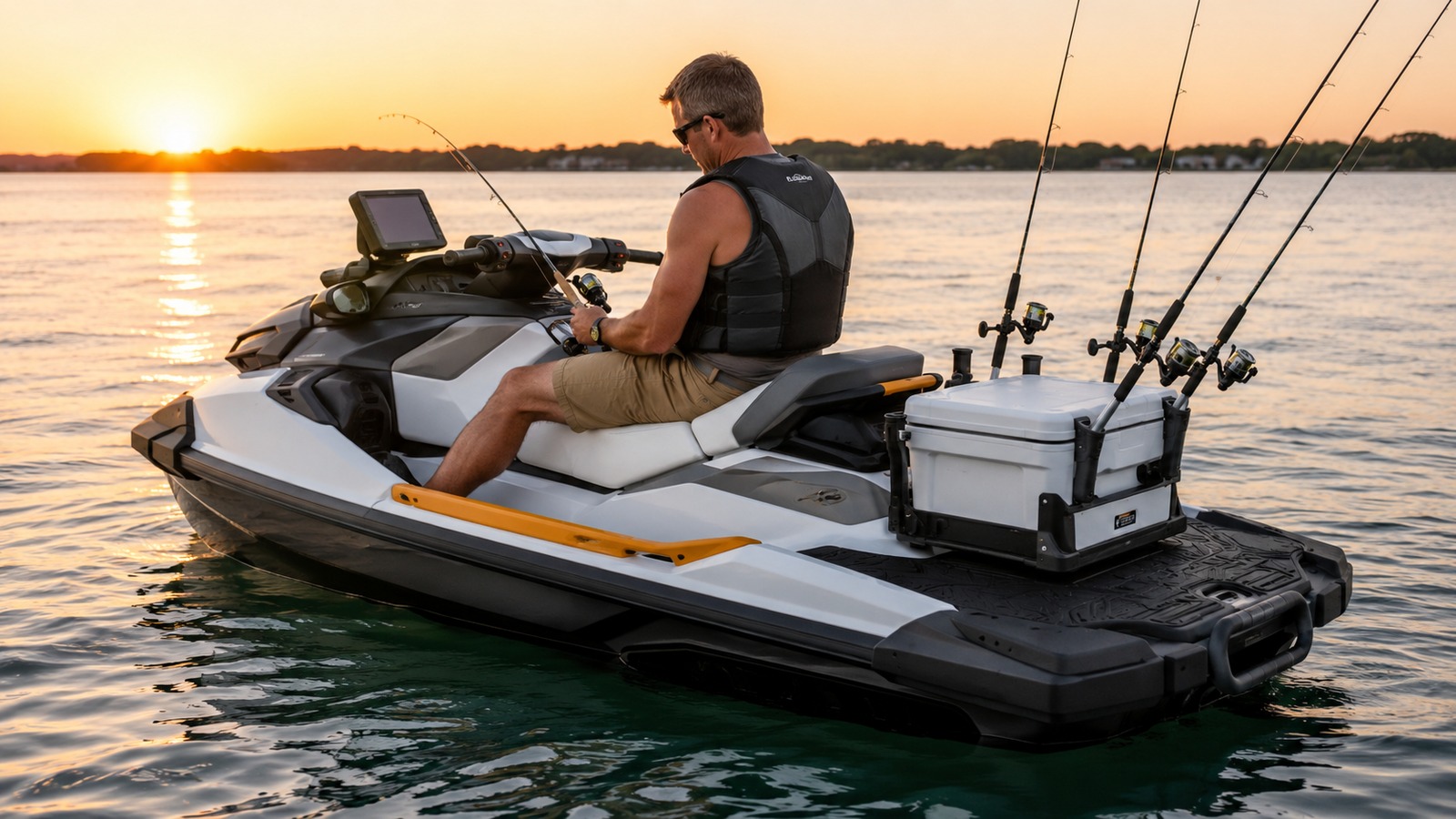
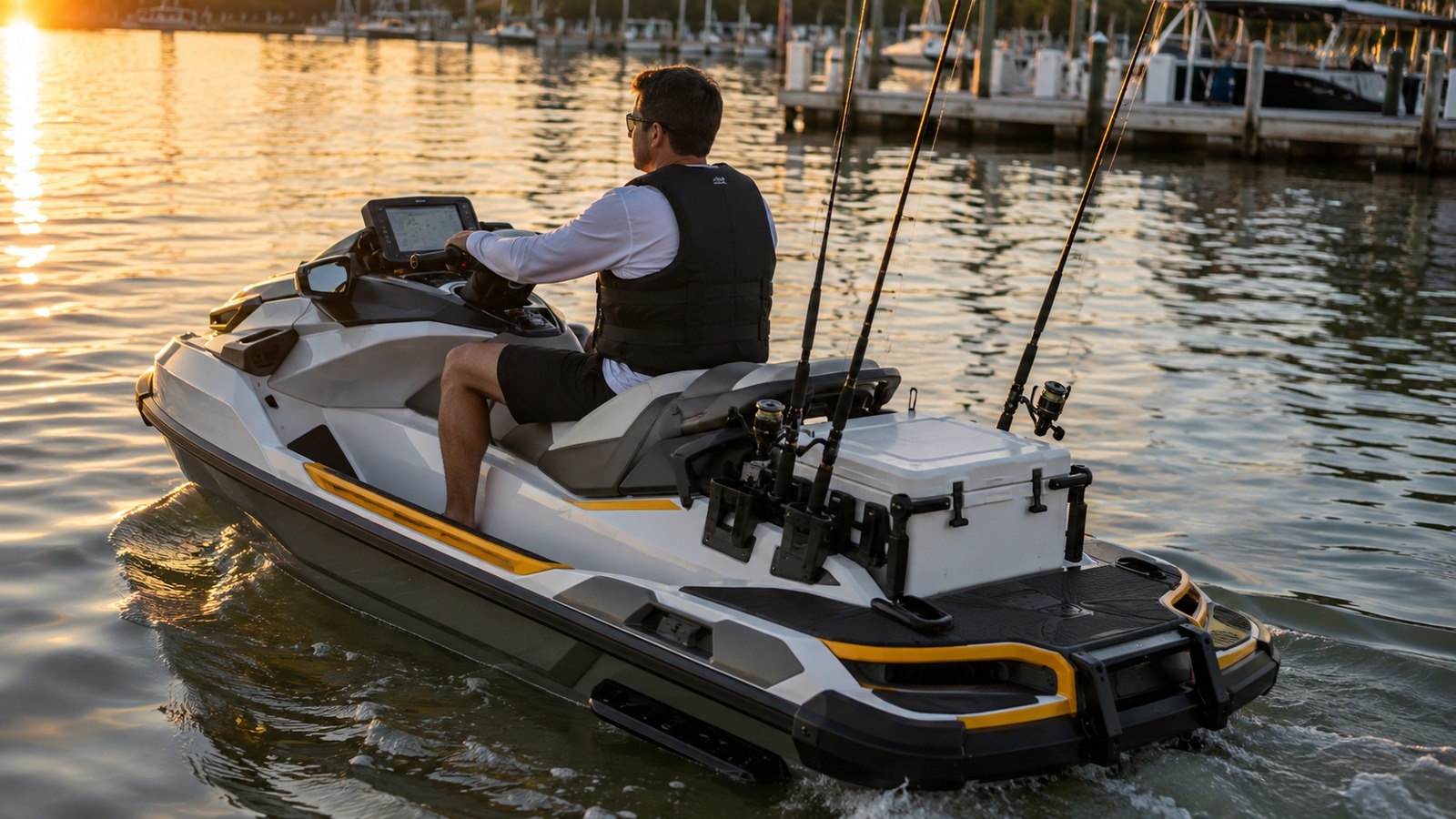
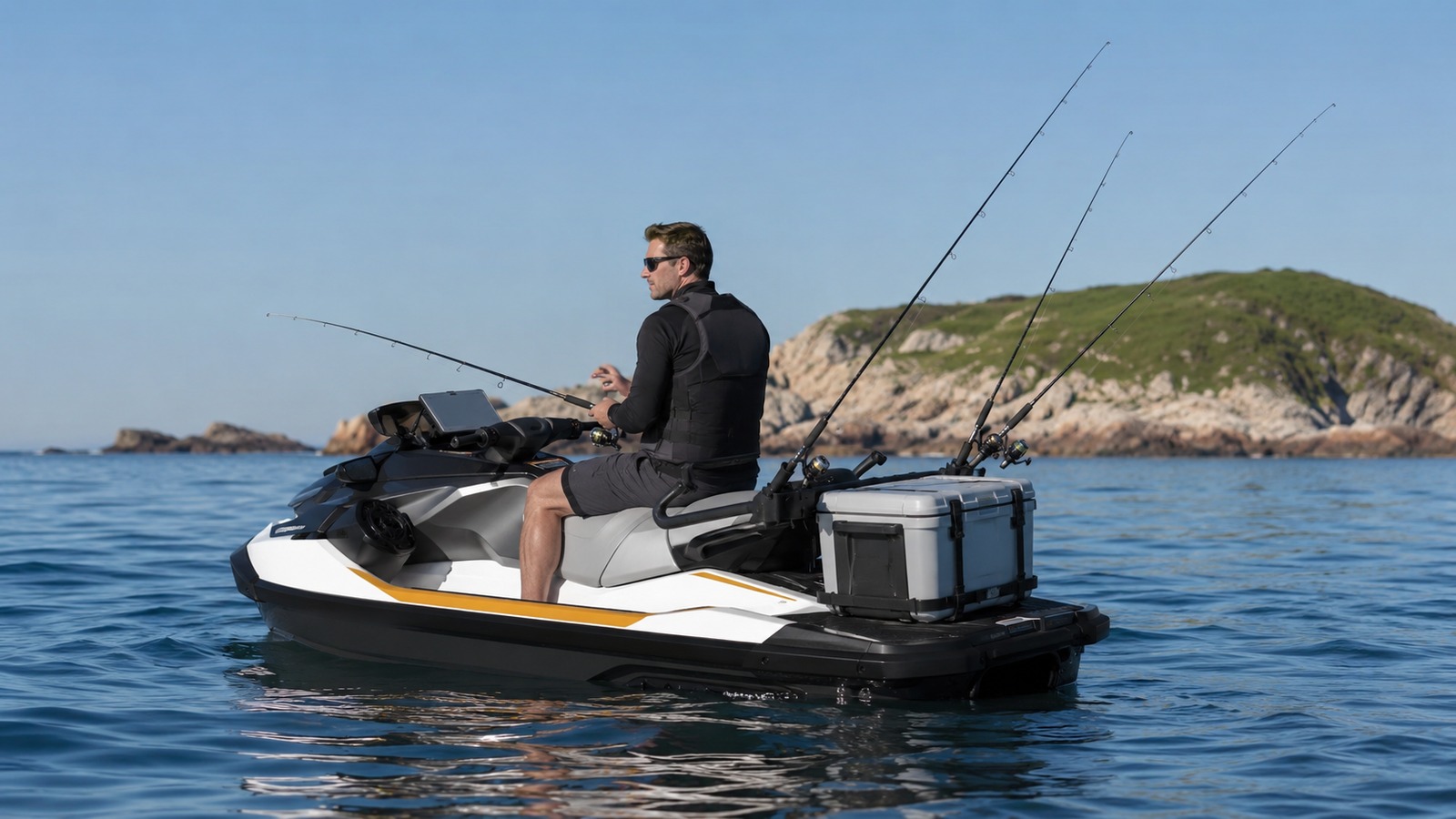
The rider deck should be tested around rod placement, cooler or livewell access, standing balance, electronics visibility, trolling controls and clear foot space while fishing. Put the normal PFD, passenger and activity gear aboard, then open storage, reboard from the water and move through the positions used during longer fishing sessions, standing movement and travel to spots where a conventional boat is less convenient. The 39.6-gallon total includes the fishing cooler; that matters on a long ST3 fishing platform. For a Garmin-equipped fishing setup, the longer platform is less about raw storage number than working space and stability while fishing. Storage volume is only useful when the compartment can be reached and loaded without making the rider area awkward or shifting too much weight into one end of the craft, especially on an extended-deck FishPro package. On this 170-hp ST3 fishing PWC, seat seams, traction surfaces, grab handles and rear-platform edges often reveal actual use better than an hour meter. Fishing machines show mounting and gear wear; tow models show board and rope contact; performance models concentrate wear where the rider braces against the machine; that matters on a long ST3 fishing platform. For a Garmin-equipped fishing setup, loose cargo is a safety and handling issue on a PWC. The FishPro Sport should have a secure place for the equipment central to its mission, whether that means fishing gear, boards, route cargo or simple family-day supplies, especially on an extended-deck FishPro package.
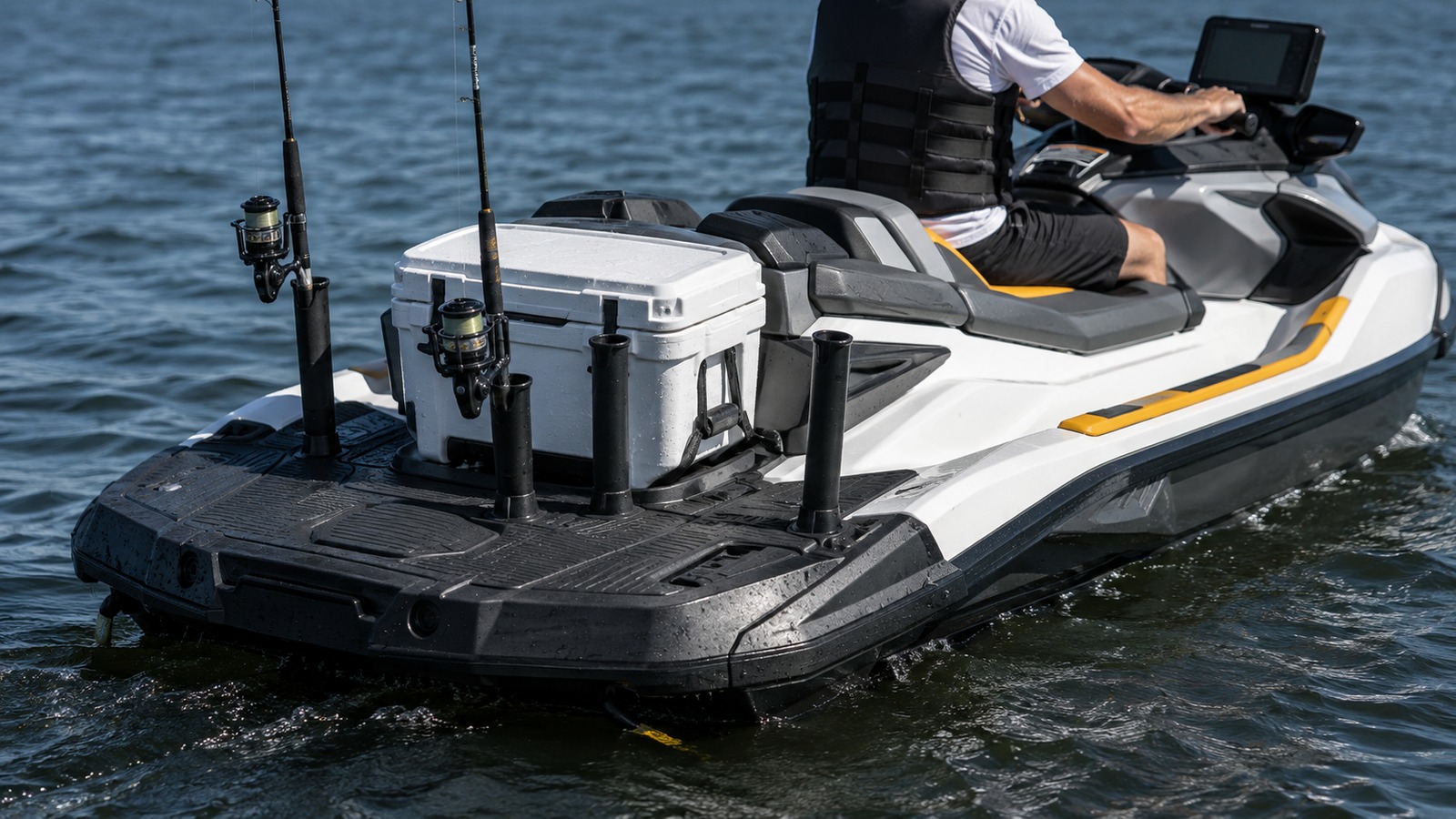
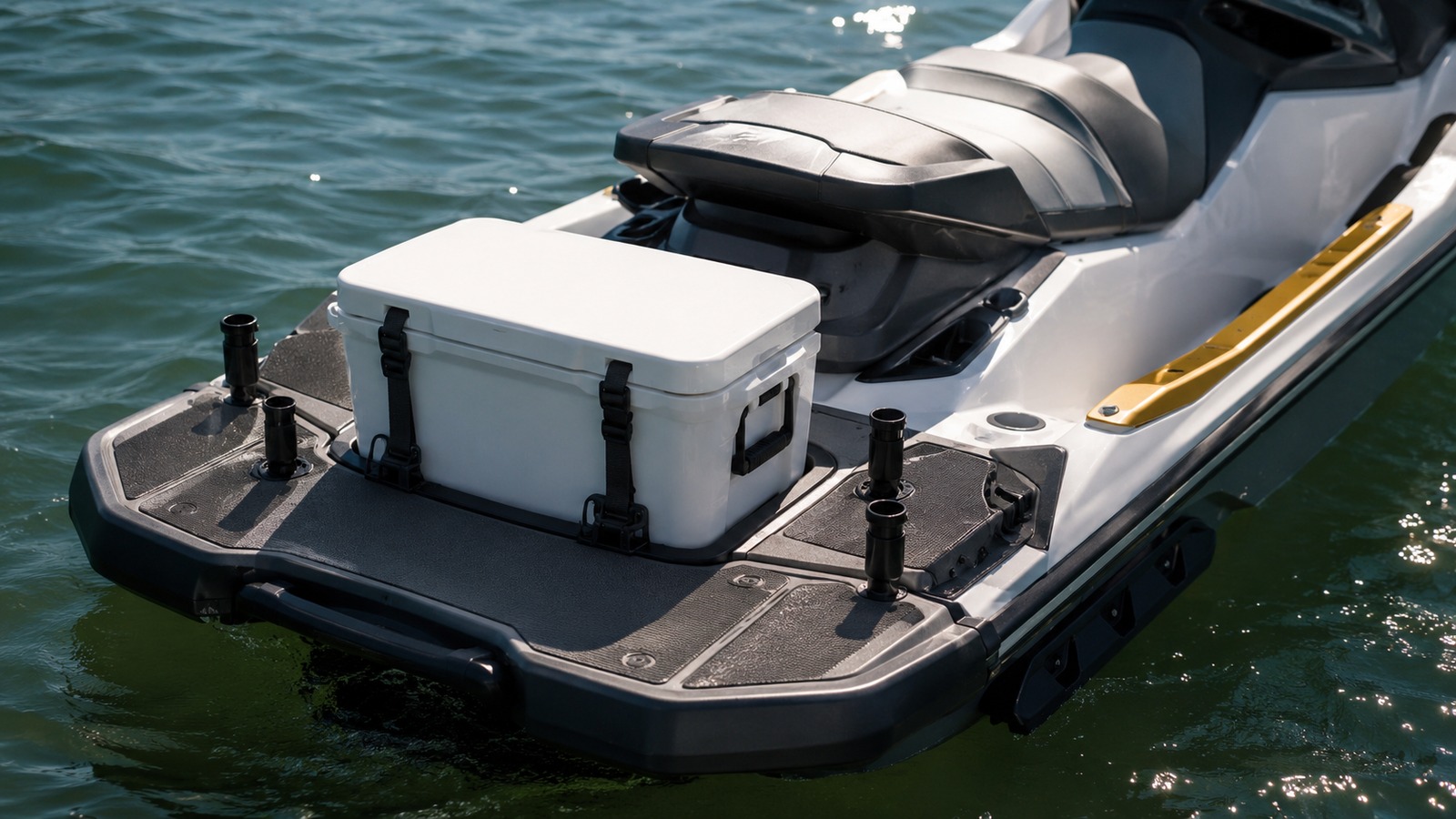
extended rear platform – extended rear platform matters every time a rider reboards. Enter from the water during the inspection and see
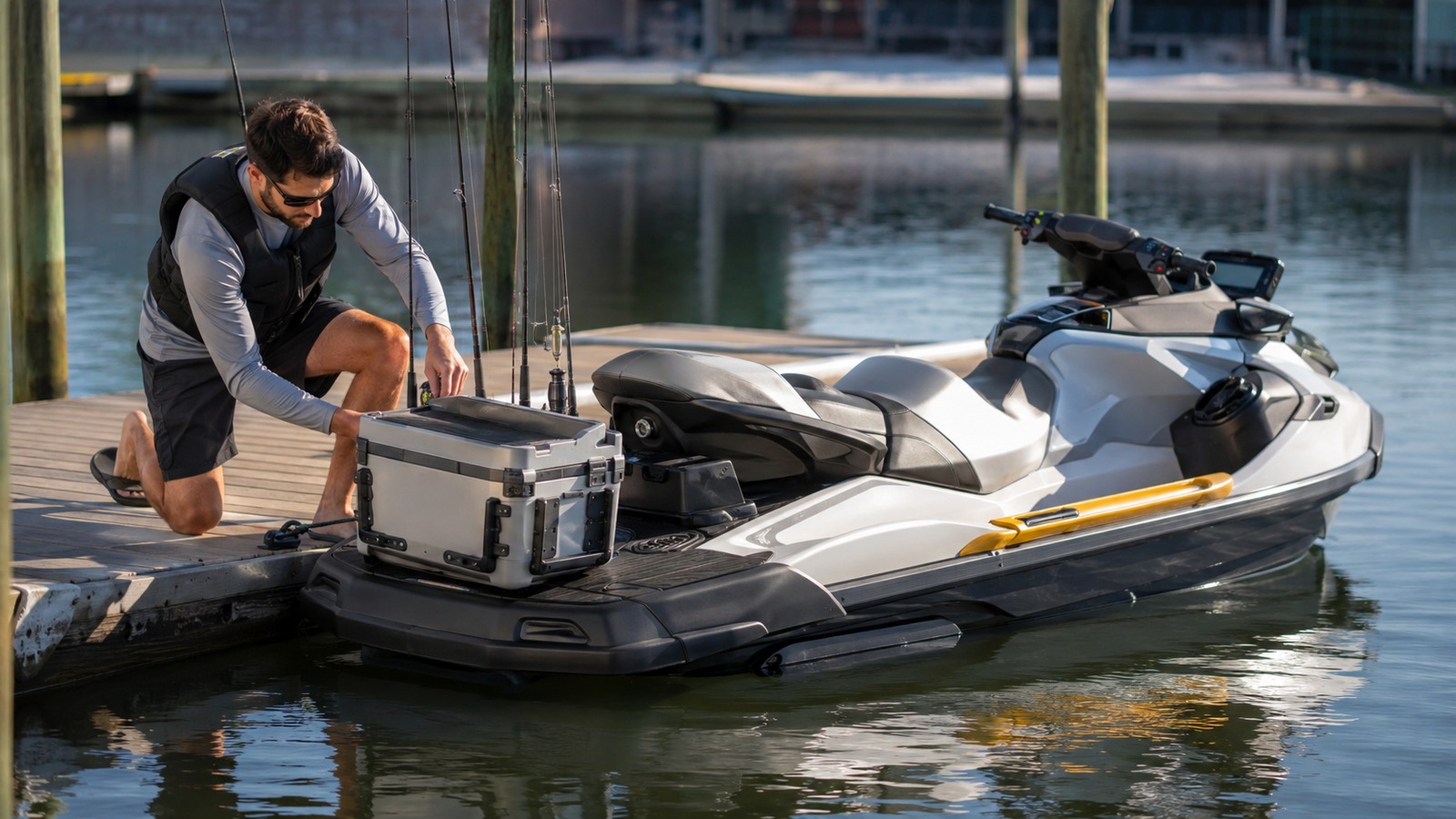
LinQ fishing cooler should be judged as fishing equipment rather than decoration. Use it with wet hands, gear and
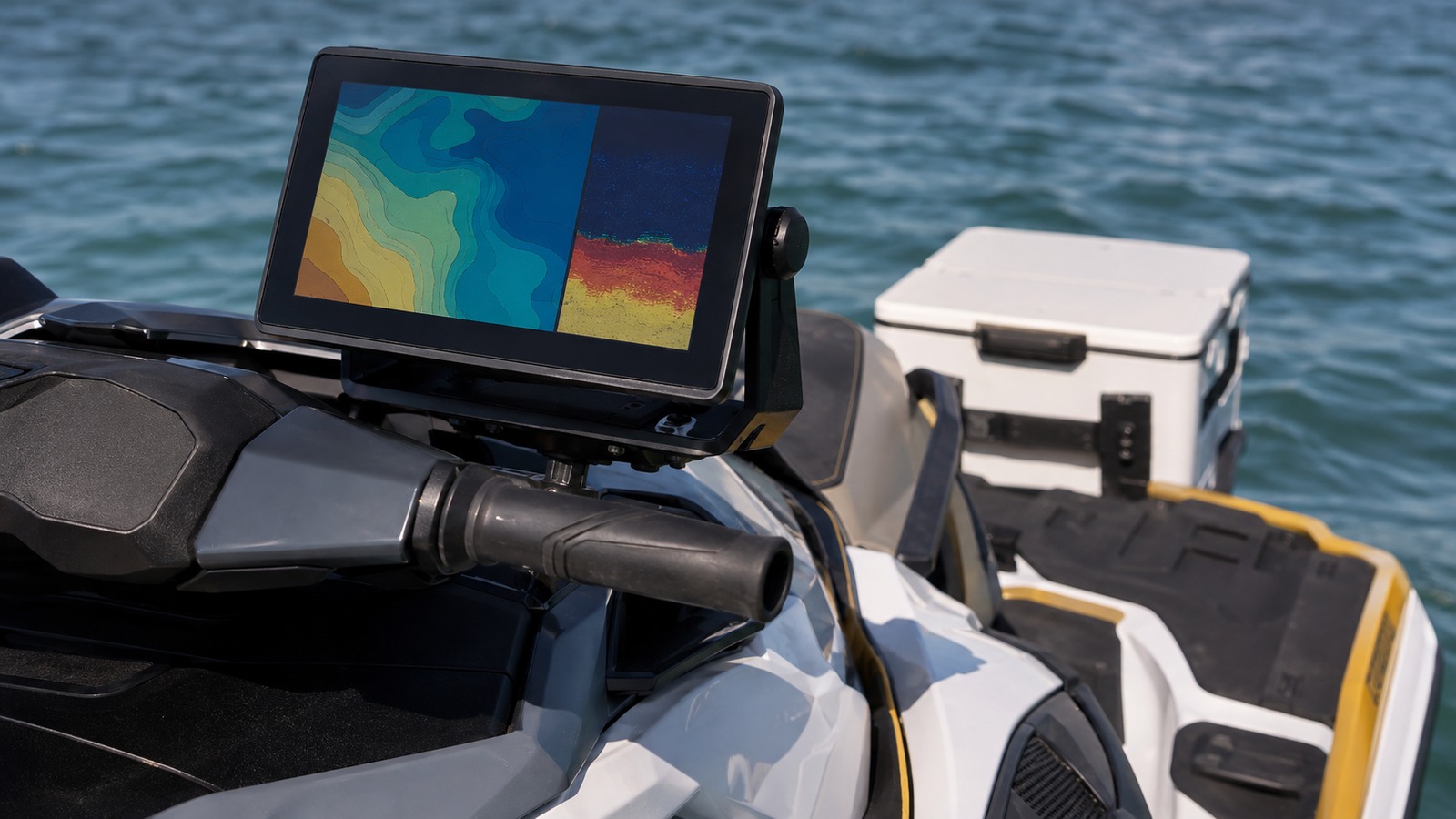
Garmin fish finder/GPS should be judged as fishing equipment rather than decoration. Use it with wet hands, gear and
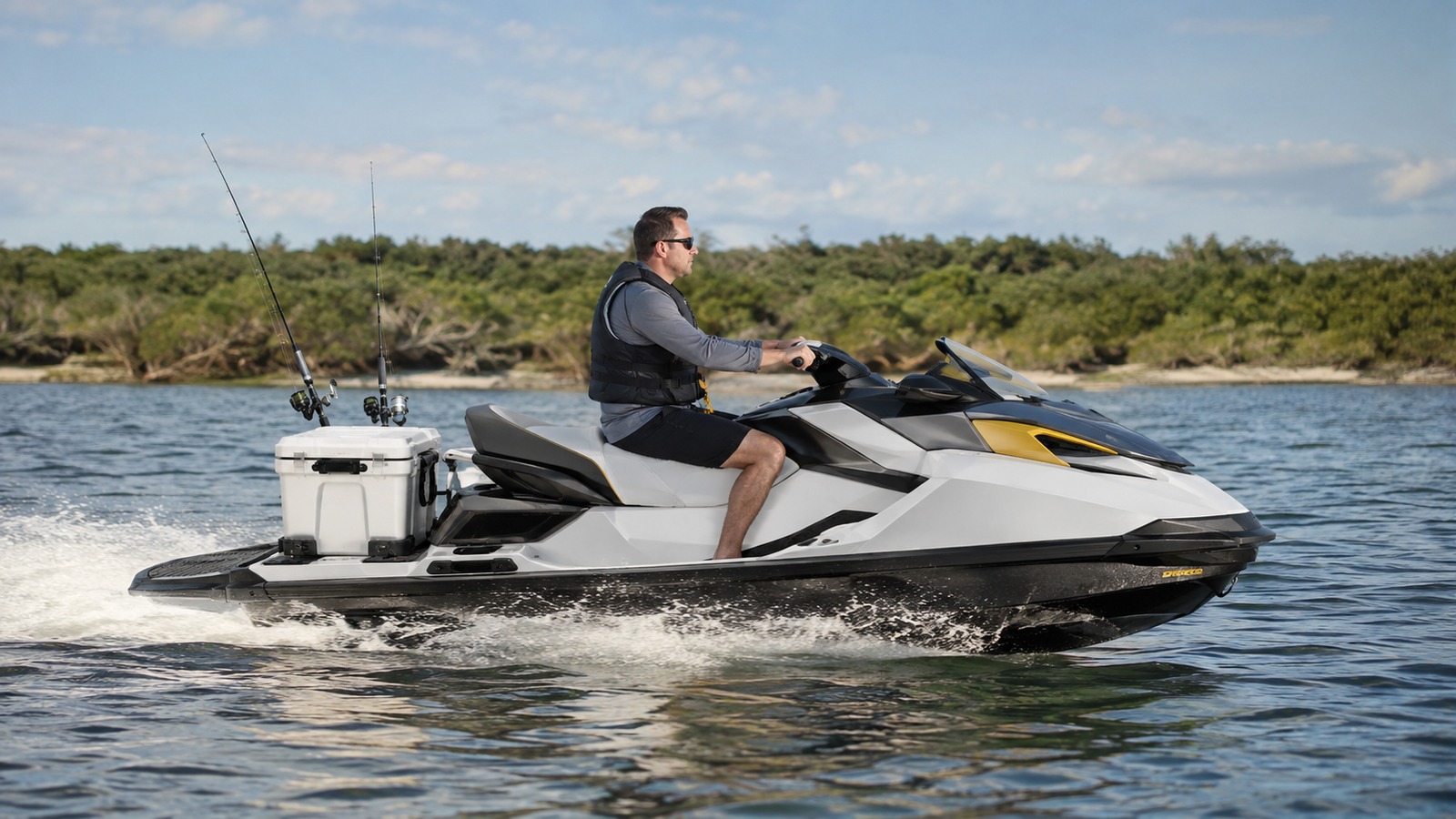
ST3 Hull is central to how the FishPro Sport rides, not a styling label. The hull choice affects turning response,
The systems check should focus on fish finder/GPS, trolling mode, livewell or cooler equipment, batteries, iDF, rod-holder mounts and saltwater electrical connections. Test the display, iBR, trim and model-specific equipment after several starts rather than assuming one clean power-up proves the electrical system is healthy. Battery voltage matters because weak power can create confusing display or control faults. If audio, navigation, fishing electronics or USB accessories are installed, run them long enough to see whether charging remains stable. After the ride, look inside the hull again. New water, fuel odor, hot connections, loose hoses or components that shifted under vibration deserve explanation before the machine is treated as ready for the season.
Ownership logistics revolve around trailer setup with fishing accessories installed, rod transport, cooler weight, battery capacity and secure storage for electronics. The craft itself is 146.8 in long and 49.6 in wide, but the trailer adds its own length, width and tongue weight. Measure the complete stored package rather than assuming the PWC fits because the hull does. Dry weight is 852 lb; 871 lb with sound system. Add fuel, trailer, accessories and normal gear before choosing a tow vehicle, rack or lift. Windshields, board racks and fishing equipment can also change stored height and clearance. Beach and dock habits matter to jet-pump life. Shut down before the intake reaches sand or gravel, use fenders where bodywork can rub, and follow Sea-Doo guidance for flushing, corrosion prevention, battery care and seasonal storage.
Use photography to show the details specifications cannot explain well on the FishPro Sport: rider posture, hull
Compare like-for-like year, engine output, trailer inclusion and package equipment before assuming one example is a bargain. Condition can move value faster than hours. Pump or wear-ring work, battery replacement, iBR faults, trailer tires and bearings, damaged upholstery or failed electronics can erase a lower asking price during the first season. Accessories deserve value only when they fit the buyer’s use and were installed cleanly. A board rack, fishing electronics, audio package or LinQ cargo system is useful when it supports longer fishing sessions, standing movement and travel to spots where a conventional boat is less convenient; it should not command a premium if it needs repair or will be removed.
Illustration only and not an offer of credit.
Include the trailer and financed accessories only when they are part of the actual transaction.
Illustration only and not an offer of credit. Your actual rate and term depend on credit profile, vessel age, loan amount and ownership structure.
Compare the FishPro Sport with the FishPro Scout around fishing hardware, standing stability and cargo. The FishPro Sport is 146.8 in long with 18.5 gal of fuel and 170 hp available, while the FishPro Scout uses a GTI Hull and is rated at 130 hp. The useful question is which differences change the owner’s normal ride instead of merely creating a higher specification.
Compare the FishPro Sport with the FishPro Trophy around fishing hardware, standing stability and cargo. The FishPro Sport is 146.8 in long with 18.5 gal of fuel and 170 hp available, while the FishPro Trophy uses an ST3 Hull and is rated at 170 hp. The useful question is which differences change the owner’s normal ride instead of merely creating a higher specification.
The FishPro Sport belongs on the short list when its advantage is still clear after those rides. The deciding question remains: Is the longer ST3 platform the right middle ground between Scout simplicity and Trophy specialization?
Confirm the exact model year, package, engine output, HIN, hours and included trailer before negotiating. Sea-Doo can use one model name across multiple power or equipment configurations, so the craft in front of the buyer matters more than a remembered specification. Sport buyers should pay close attention to the extended rear area, LinQ mounts and the condition of electronics after exposure to bait, salt and repeated boarding. The machine may spend long hours idling or trolling, which can make total hours look high without indicating hard acceleration use. Service history should be interpreted with the fishing mission in mind rather than judged against a recreation PWC. Inspect the hull bottom, intake grate, jet pump, iBR hardware where fitted, steering, seat, storage seals and battery. Inspect the trailer separately, including tires, bearings, bunks, winch, lights and coupler. A reliable PWC on a neglected trailer is not a ready-to-use purchase. Water-test the FishPro Sport from a cold start if possible, let it reach normal temperature, then restart it hot. A short hose test cannot show pump loading, hull behavior or low-speed control. After the ride, check the hull interior again for water or anything that changed under heat and vibration. Ask how the machine was stored and whether it was used in saltwater. Service and corrosion-control history should fit that environment. Verify title, lien status and trailer paperwork separately from mechanical condition before funds move.
Once the FishPro Sport has passed the rider-fit, condition and sea-trial checks, evaluate financing for the actual machine. Float Finance can help consumers pursue marine financing for eligible Sea-Doo purchases, subject to borrower, collateral and transaction requirements.
The FishPro Sport fits fishing-focused riders who want more offshore confidence and deck length than FishPro Scout without carrying every specialized feature of Trophy. The decision turns on this question: Is the longer ST3 platform the right middle ground between Scout simplicity and Trophy specialization? Sport is the balanced fishing model, but buyers who want factory livewell conversion, anchoring hardware, swivel seat and advanced fishing controls should step to Trophy.
For the 2026 reference configuration, the FishPro Sport measures 146.8 in long and 49.6 in wide, carries 18.5 gal of fuel, offers 39.6 gal including fishing cooler of storage and is rated for up to 3 riders. Power is 170 hp and the platform uses the ST3 Hull.
The longer ST3 hull is the central upgrade from FishPro Scout. Extra length and the fiberglass platform give the angler a more settled base when standing, moving gear or running across open water. That stability comes with more weight and a larger trailer footprint. The sea trial should include standing still, slow trolling and crossing boat wakes, because fishing behavior at low speed is just as important as how the craft feels at cruise. The important part for a buyer is how that behavior fits longer fishing sessions, standing movement and travel to spots where a conventional boat is less convenient; the hull should be tested with the normal passenger and cargo load.
The FishPro Sport uses the Rotax 1630 ACE with 170 hp. FishPro Sport’s 170-hp naturally aspirated engine adds useful reserve for the longer ST3 platform without introducing supercharger maintenance. That balance matters when gear, cooler weight and a passenger are aboard. The engine should bring the loaded craft onto plane without feeling strained, then settle into an efficient cruise. The 170 is part of why Sport feels like a fishing platform rather than a performance PWC with rod holders.
Sea-Doo lists 39.6 gal including fishing cooler of storage for the reference configuration. The 39.6-gallon total includes the fishing cooler. The longer platform is less about raw storage number than working space and stability while fishing.
Sport buyers should pay close attention to the extended rear area, LinQ mounts and the condition of electronics after exposure to bait, salt and repeated boarding. The machine may spend long hours idling or trolling, which can make total hours look high without indicating hard acceleration use. Service history should be interpreted with the fishing mission in mind rather than judged against a recreation PWC. Also inspect the hull bottom, intake grate, impeller and wear-ring area, iBR hardware where fitted, battery, steering and the trailer before closing.

The FishPro Sport and FishPro Scout solve different versions of the same purchase. The FishPro Sport uses the ST3 Hull with 170 hp and 39.6 gal including fishing cooler of storage; the FishPro Scout uses the GTI Hull with 130 hp and 53.8 gal including LinQ fishing cooler of storage. Ride both with the same passenger load and decide which compromise fits the normal day.
Float Finance can help consumers pursue marine financing for eligible Sea-Doo purchases, subject to borrower, collateral and transaction requirements.
Tell us a little bit about yourself and the boat you are looking to finance.