
Call Us : 207-994-5109
Mon – Fri: 8 am to 9 pm & Sat – Sun: 10 am to 8 pm
Large-scale luxury cruising with substantial interior volume, multiple social zones and yacht-level systems.
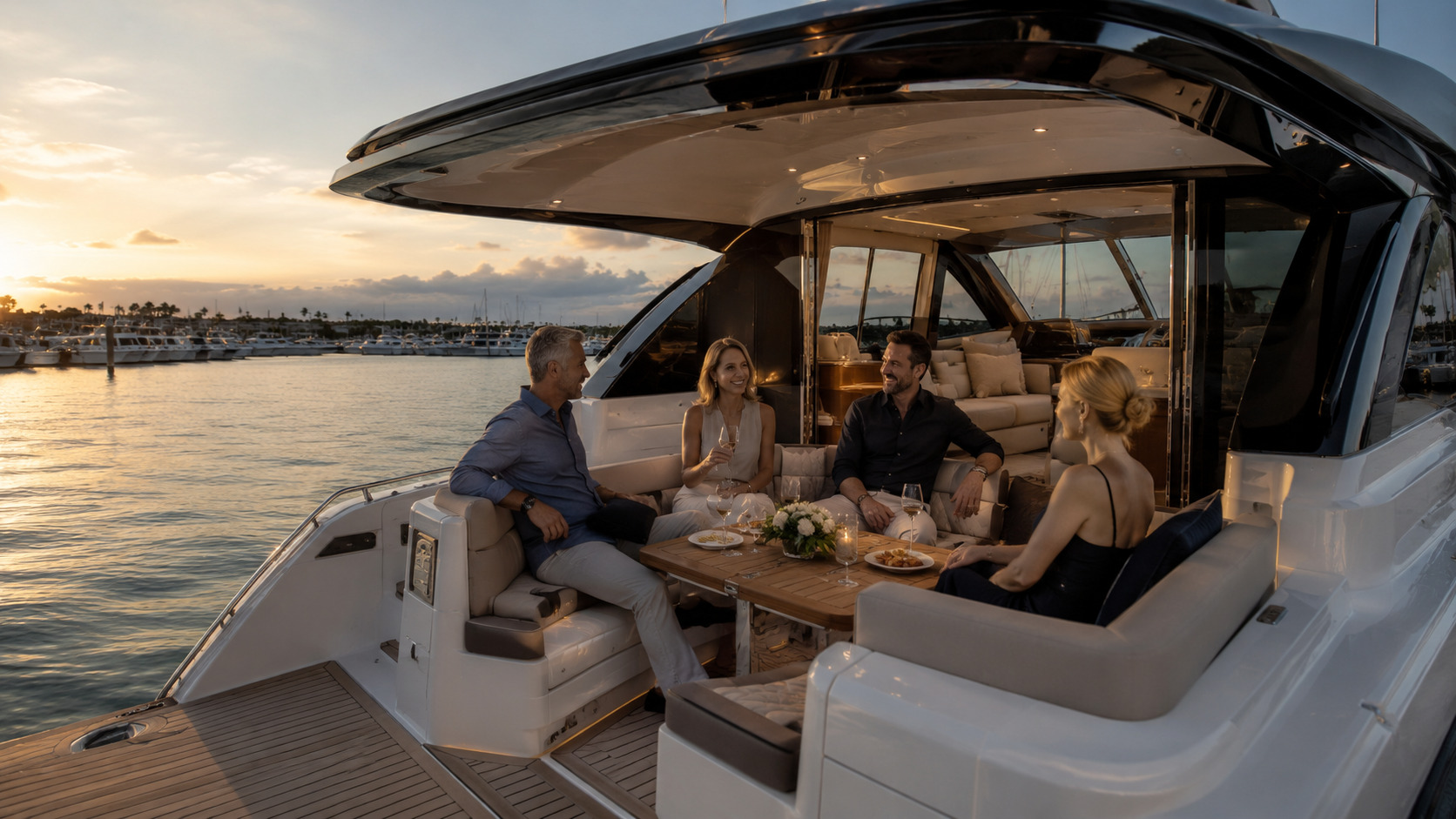
Sea Ray L Class boats are built around large-scale luxury cruising with substantial interior volume, multiple social zones and yacht-level systems. This series fits owners moving beyond conventional Sport cruisers into multi-zone entertaining, extended cruising and more complex onboard systems. For Sea Ray L Class buyers, that definition matters because Sea Ray has used many different layouts across its history, and a series should be chosen by mission before the buyer starts climbing through model numbers.
The L Class set here runs from L550 through L650 Fly. For this luxury yacht category, that spread matters because the ownership burden changes with size, machinery and accommodations; buyers should move up only when the larger sibling solves a repeated need.
L Class boats deliver major volume and comfort, but dockage, systems maintenance, fuel, haul-out and crew requirements rise sharply with size; it matters when the L Class family is the short list.
As part of a Sea Ray L Class buying decision, the best starting point is a normal Saturday, not an approval amount. For Sea Ray L Class buyers, how many people go, where does the boat live, how far does it run, and does anyone actually sleep aboard. Those answers determine whether the L Class architecture fits before price enters the decision.
For this luxury yacht category, for historical models, exact specifications belong to the exact year. Sea Ray owner resources maintain manuals and original brochures, and the HIN should be used to match the boat to year-correct documentation; it matters when the L Class family is the short list. As part of a Sea Ray L Class buying decision, current families should be checked against the live Sea Ray model page when specifications change.
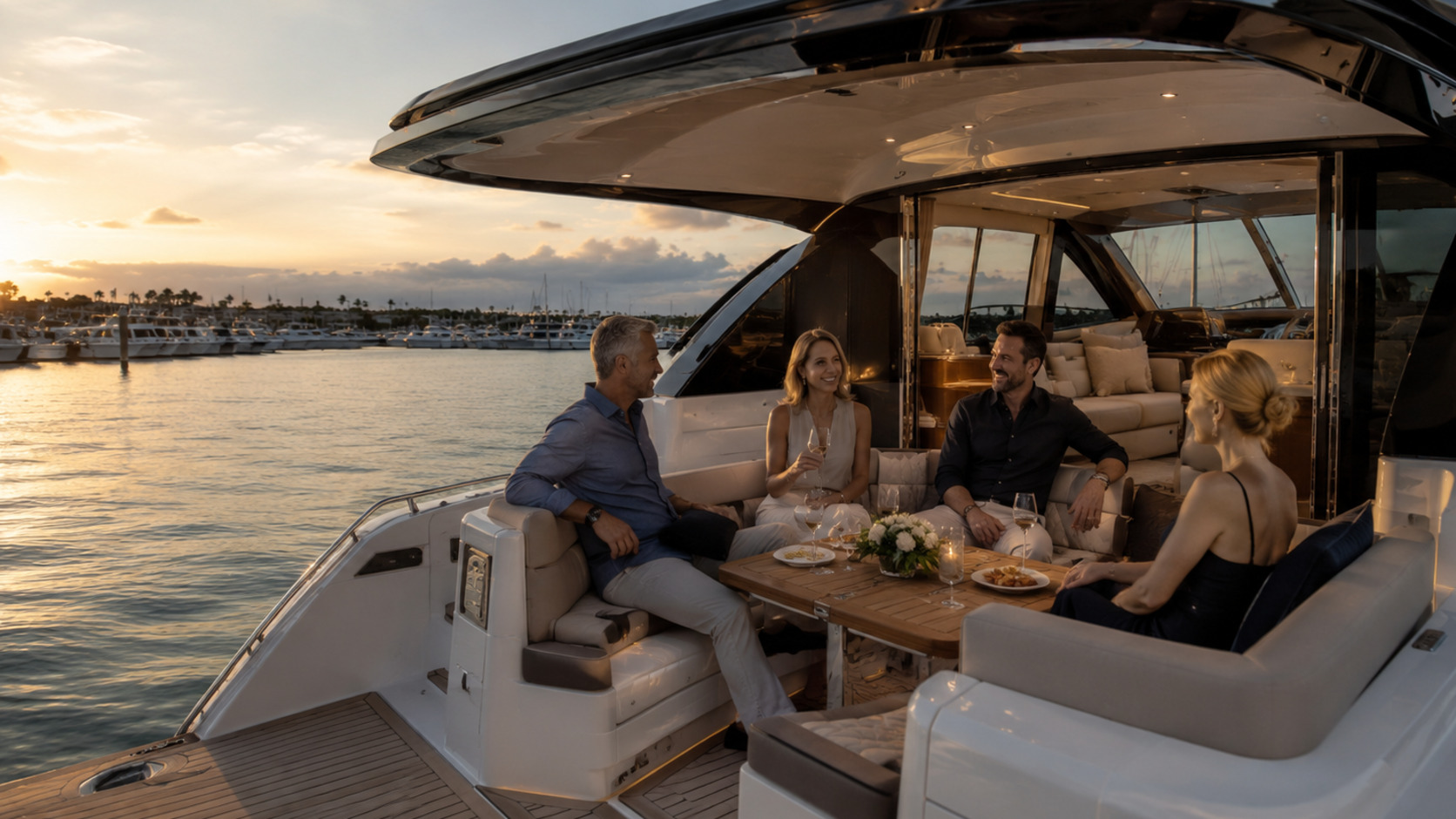
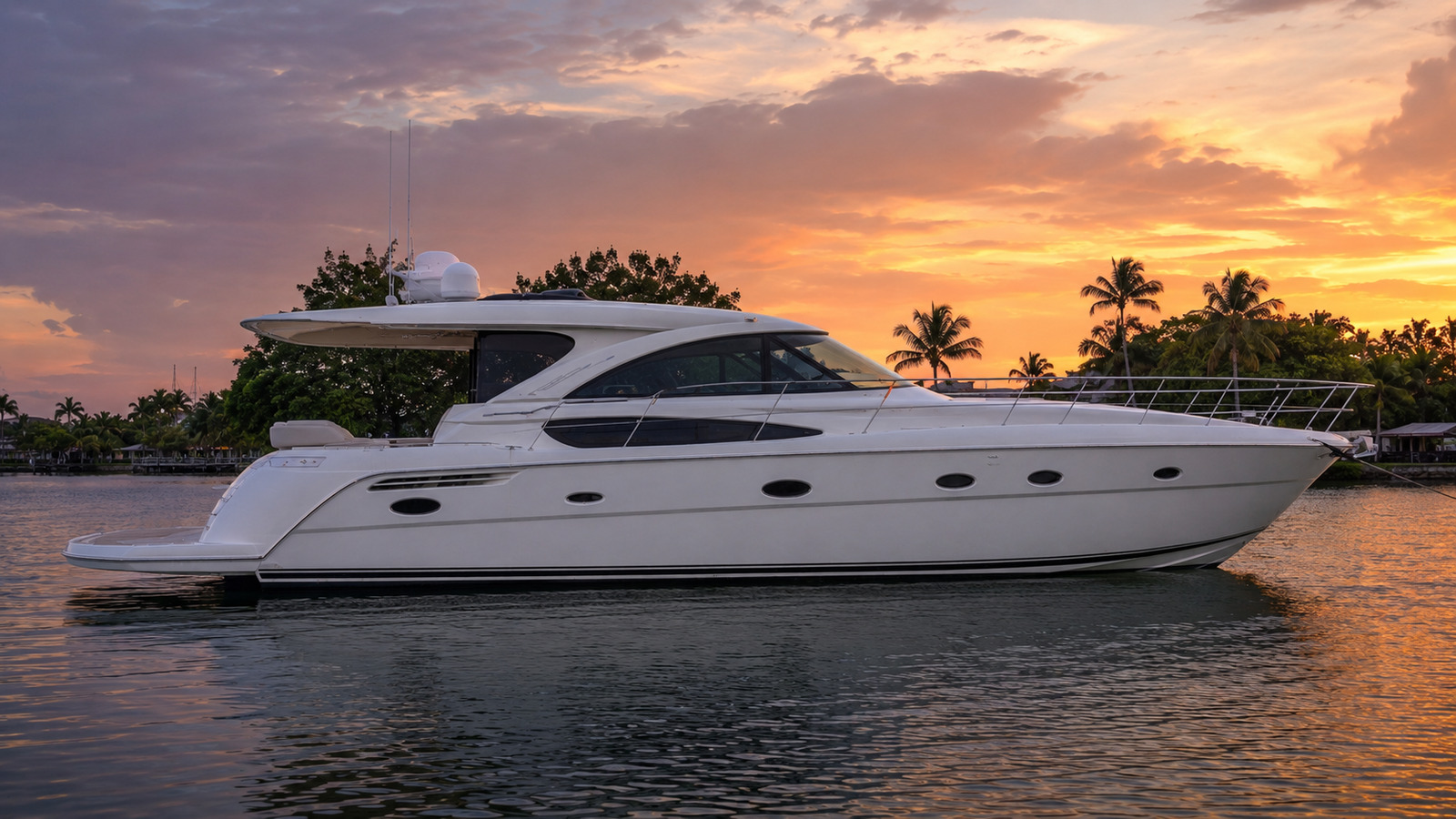
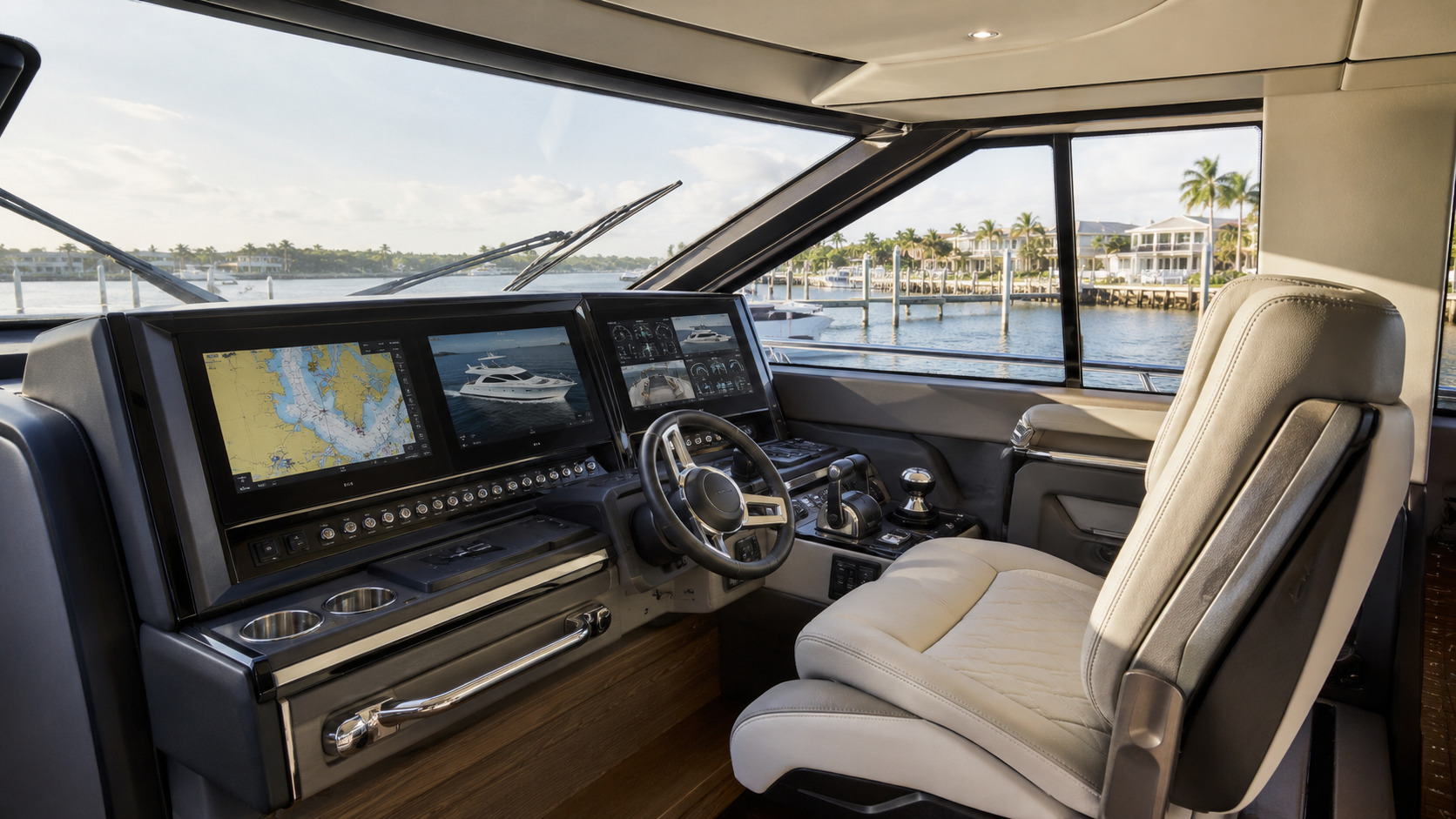
The defining architecture is a luxury yacht. For Sea Ray L Class buyers, that shapes the spaces a buyer should test, the maintenance plan and the tradeoffs that separate the series from nearby Sea Ray families.
The highest-priority ownership areas are diesel propulsion, generator, HVAC, shore power, multiple heads and cabins, hydraulic equipment, bridge systems on Fly models, and yacht-scale marina service. For this luxury yacht category, buyers should operate those systems instead of assuming a feature works because it is present. On older boats, clean wiring and documented replacement history are often more valuable than a long option list; it matters when the L Class family is the short list.
Eight recurring areas deserve attention across this family: full-beam or large stateroom, salon, galley, multiple heads, cockpit, hydraulic swim platform, engine room, bridge or hardtop helm. Exact standard equipment varies by model and year, but those areas explain how a L Class boat delivers its mission.
As part of a Sea Ray L Class buying decision, sea Ray model names should not be treated as universal spec sheets. For Sea Ray L Class buyers, a familiar numeric designation can cross production changes in hull, propulsion, cabin plan and equipment. For this luxury yacht category, the page for each model therefore explains what to verify instead of inventing one specification for every year.
Move outside the L Class family when the owner’s normal use stops matching large-scale luxury cruising with substantial interior volume, multiple social zones and yacht-level systems. As part of a Sea Ray L Class buying decision, a nearby Sea Ray category may provide the same day with less machinery, or it may add the cabin, fishing, Surf or bridge capability the buyer keeps trying to force into the wrong platform.
Compare this family when the owner's normal use moves away from large-scale luxury cruising with substantial interior volume, multiple social zones and yacht-level systems.
Compare this family when the owner's normal use moves away from large-scale luxury cruising with substantial interior volume, multiple social zones and yacht-level systems.
Compare this family when the owner's normal use moves away from large-scale luxury cruising with substantial interior volume, multiple social zones and yacht-level systems.
The family covers the L550, L590, L590 Fly, L650, L650 Fly. Treat the list as a starting point for model-year research, not proof that every boat with the same number carries identical dimensions or equipment; a L Class buyer should keep that in the decision.
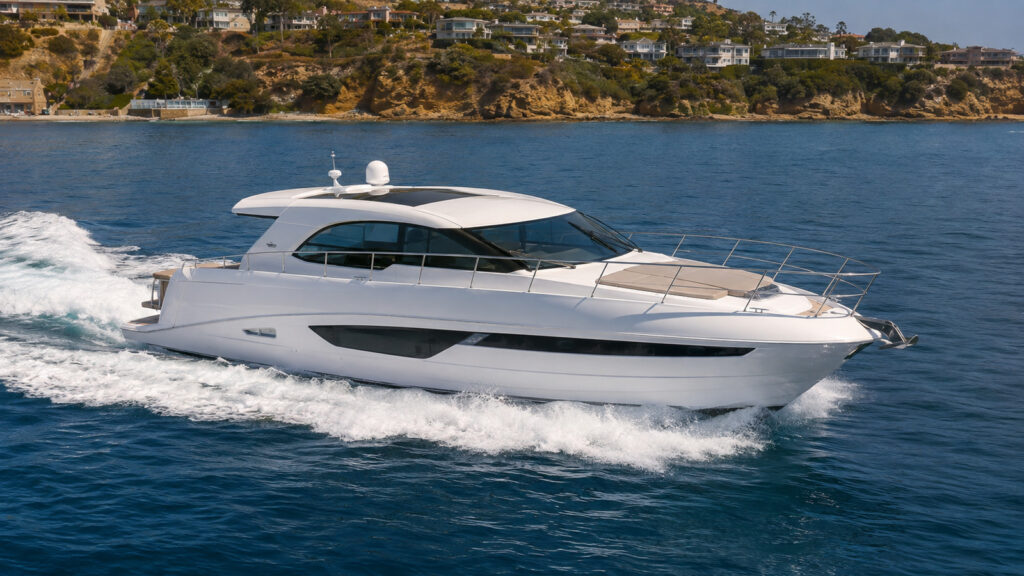
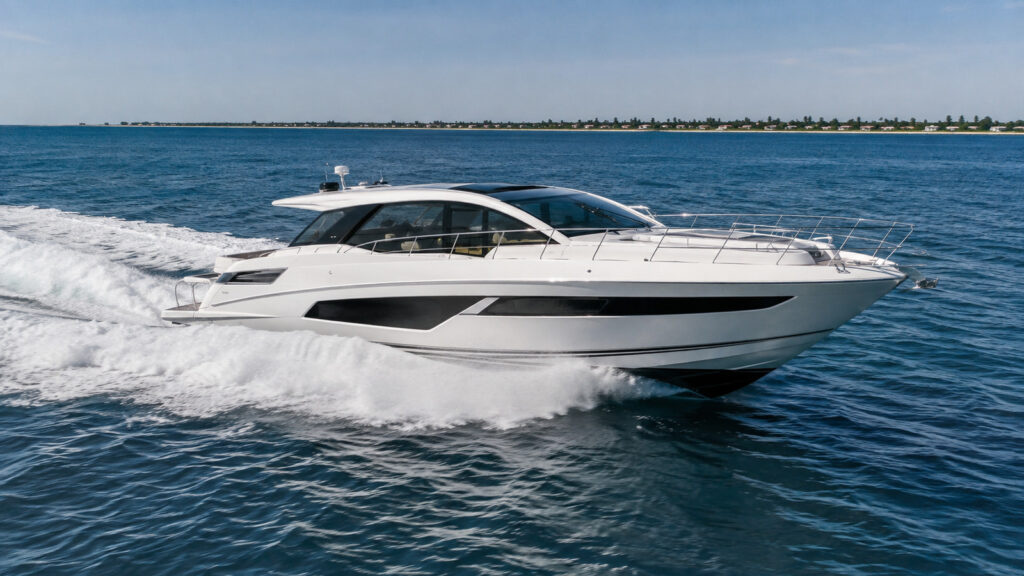
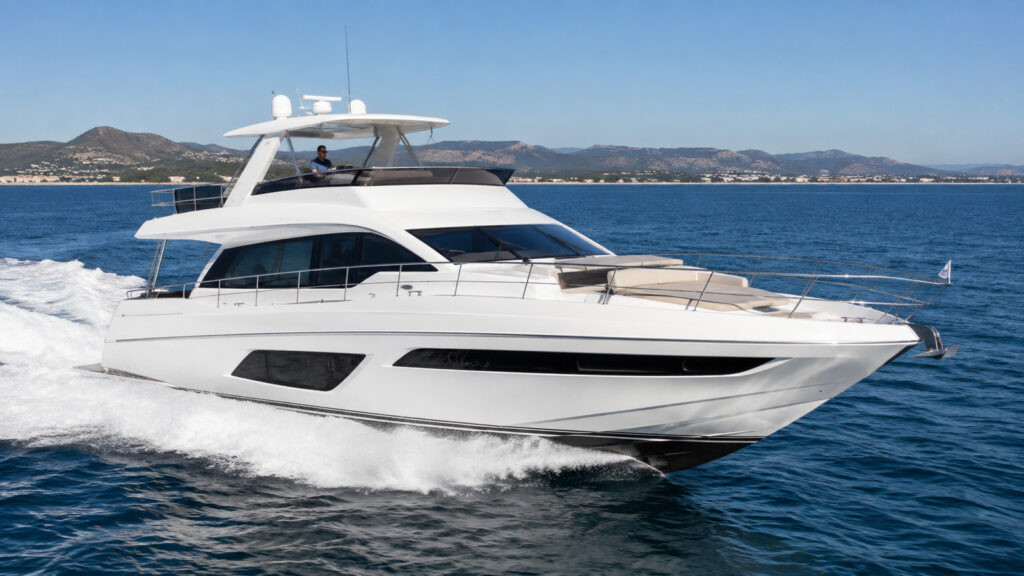
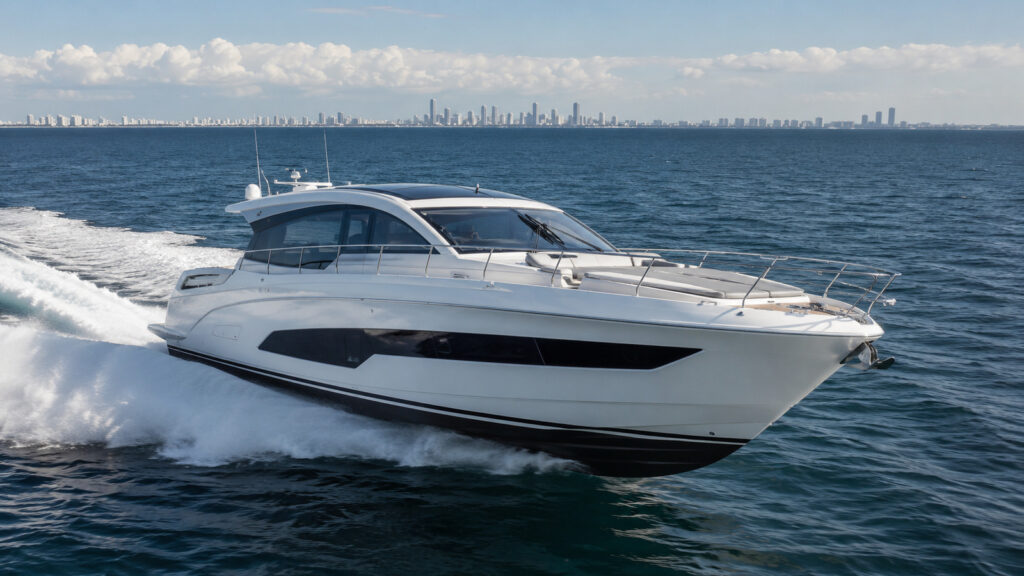
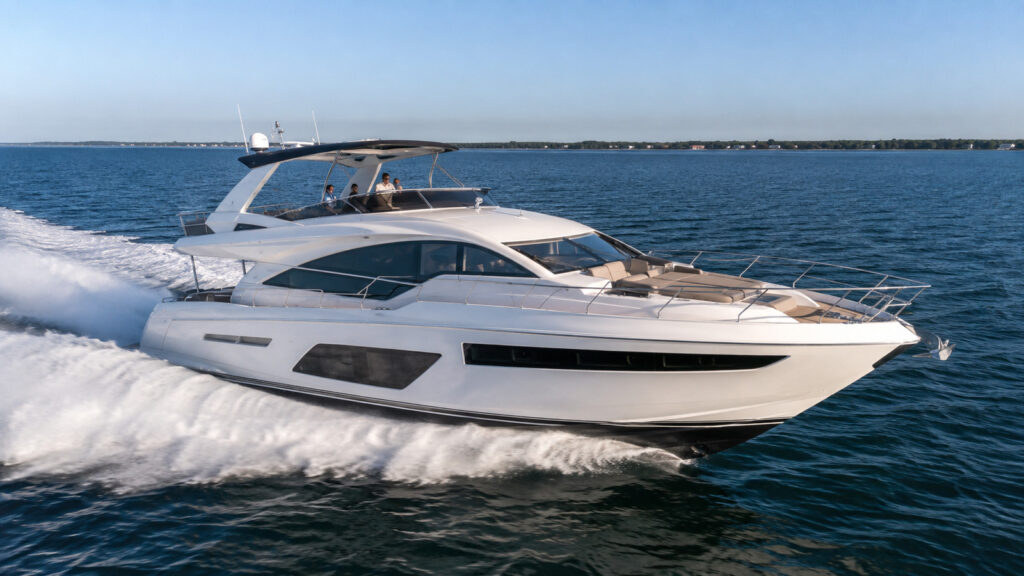
Use the live market range as the frame for the exact model and year that fits. Then use the estimated monthly payment while keeping insurance, storage, fuel, service and first-season repairs in the same budget.
First, choose the mission. The boat should solve the normal crew, route and activity without needing a story about what might happen someday. A larger model is justified when it fixes a repeated limitation in the smaller one.
Second, choose the model year and propulsion. Sea Ray equipment, propulsion and layouts can change significantly across production years. Compare year-correct boats and normalize engine or drive condition before a price difference is treated as meaningful.
Third, test the spaces that define a luxury yacht. The buyer should physically use full-beam or large stateroom, salon, galley, multiple heads with the normal crew aboard. A layout that looks generous while empty may work very differently once gear and passengers are loaded.
Fourth, choose the ownership plan. Trailer, lift, slip, shore power, engine service and seasonal storage should be settled before closing. If the home base cannot support the boat efficiently, the wrong size was chosen even if the purchase price works.
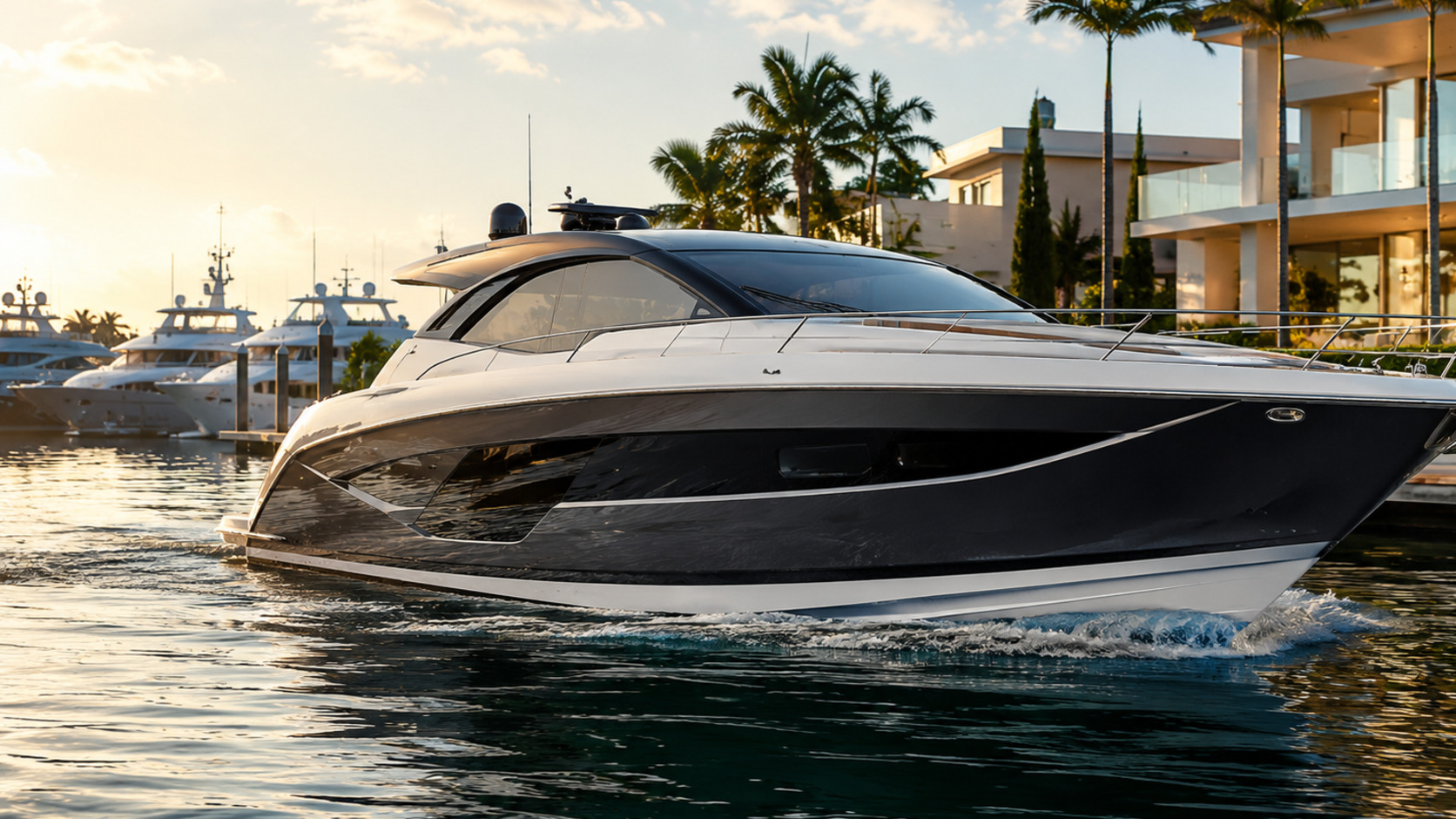
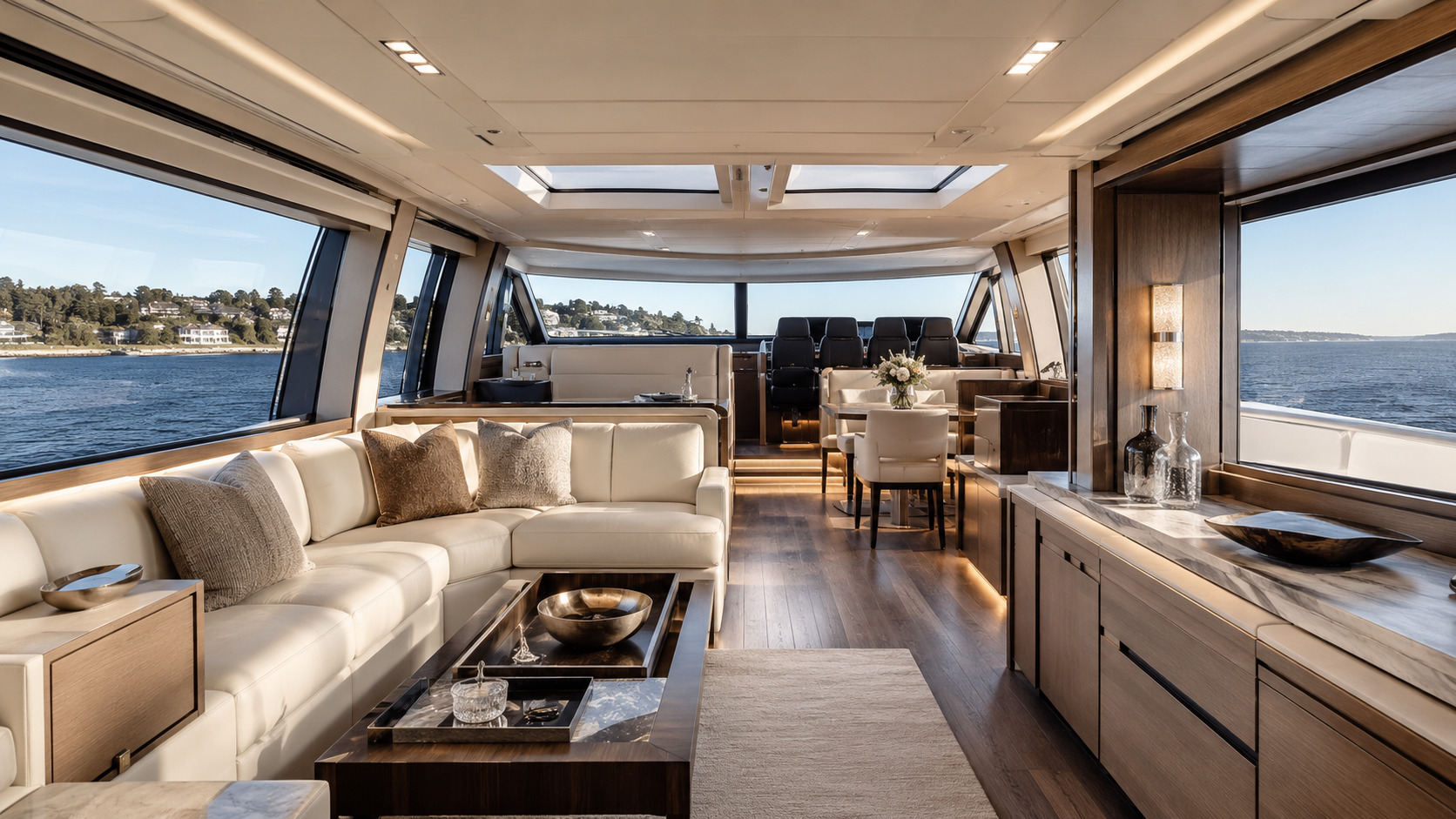
Ownership centers on diesel propulsion, generator, HVAC, shore power, multiple heads and cabins, hydraulic equipment, bridge systems on Fly models, and yacht-scale marina service. Build a maintenance calendar around the exact engine and drive system, then add batteries, pumps, canvas or enclosure, electronics, plumbing and the model-specific systems the owner will use most.
Model year changes the maintenance picture. Older boats may have replacement electronics, chargers, pumps, refrigeration or upholstery that are no longer original. That is not automatically negative; documented upgrades can be a strength when installation quality is high.
Storage is part of the boat, financially and practically. Loaded weight, beam, height, bridge or tower clearance, shore power and storm planning can determine whether the boat is easy to use. Price those logistics before the first season.
Keep the estimated monthly payment beside the annual ownership plan rather than treating it as the whole budget. The right financed Sea Ray is one the owner can maintain, store and use frequently after the loan closes.
Once the model year, propulsion, condition, storage plan and annual ownership budget make sense, use the Float Finance application for the actual boat. Contact Float Finance if you want help understanding the financing process before moving forward.
Use these topics to turn a Sea Ray model comparison into a complete purchase plan.
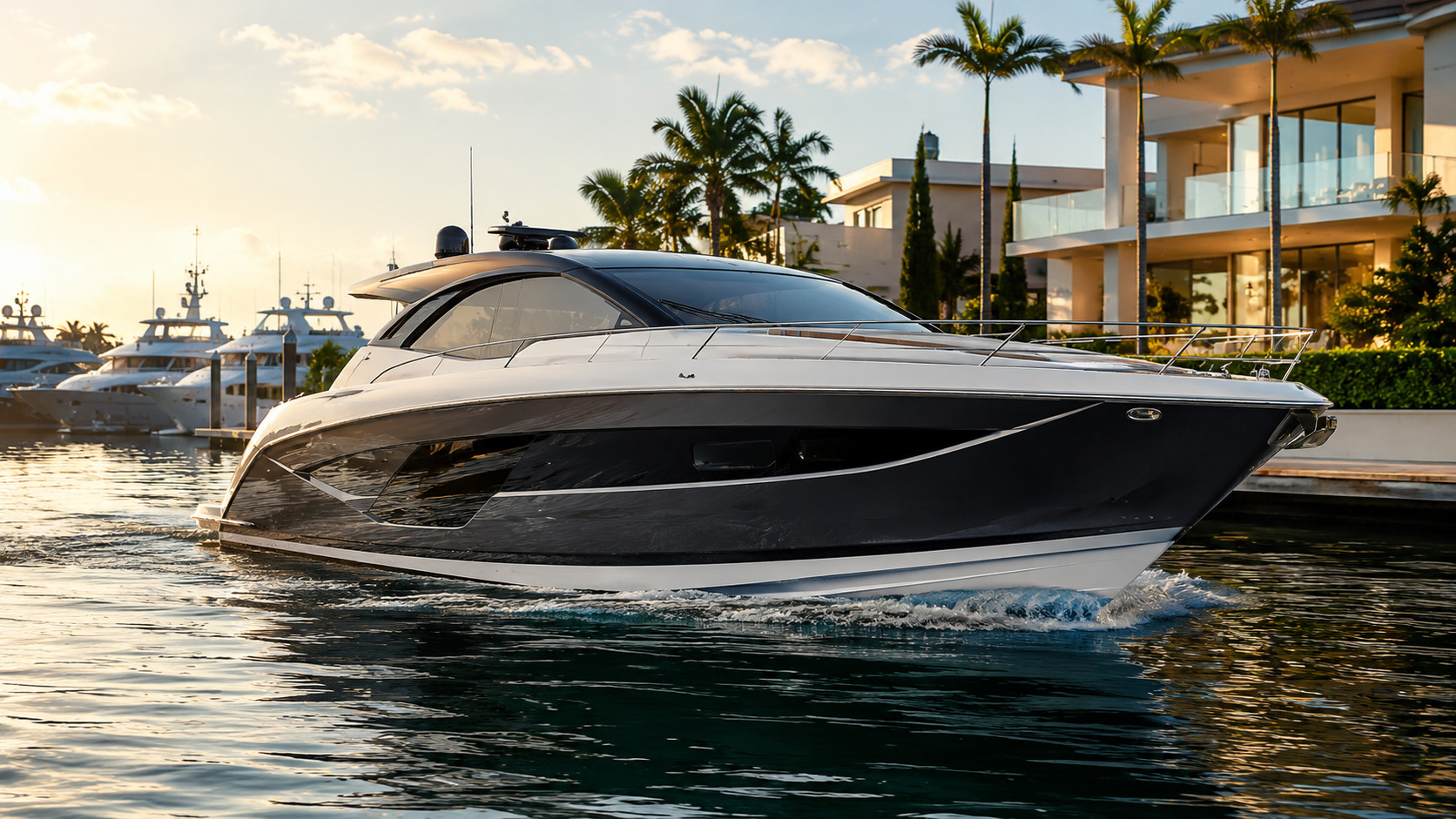
Use the HIN and year-correct Sea Ray documentation to separate design changes from condition differences before comparing price.
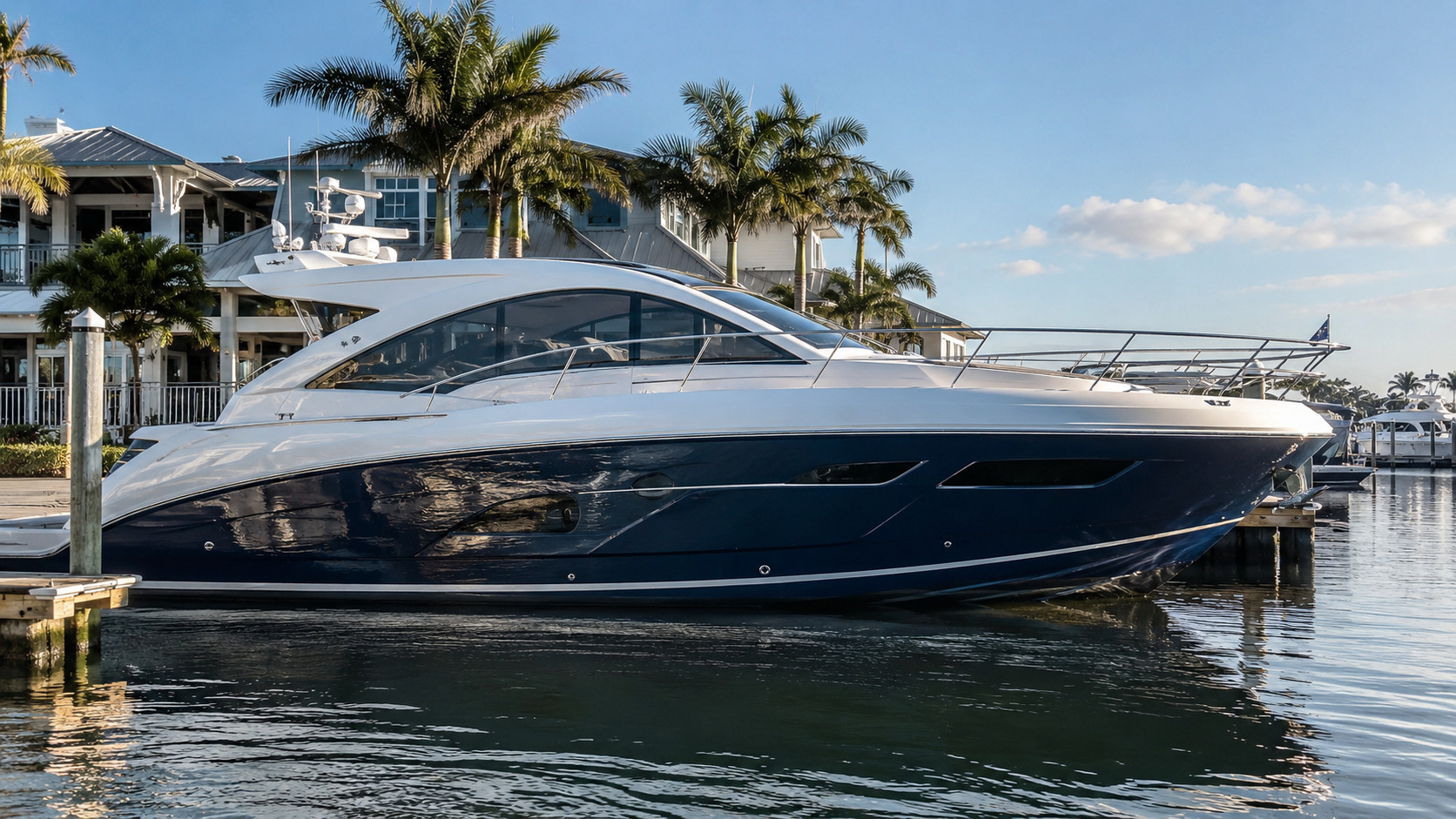
Build the inspection around hull, propulsion and the systems that matter most to this series: diesel propulsion, generator, HVAC, shore power, multiple heads and cabins, hydraulic equipment, bridge systems on Fly models, and yacht-scale marina service.
Keep payment, insurance, storage, fuel, scheduled service and first-season repairs in one ownership plan.
The family covers L550, L590, L590 Fly, L650, L650 Fly. Duplicate image queues and restarts are not treated as separate boats, and the Surf page cross-links its SDX/SLX Surf models rather than creating duplicate model URLs.
They fit owners moving beyond conventional Sport cruisers into multi-zone entertaining, extended cruising and more complex onboard systems. The series mission is large-scale luxury cruising with substantial interior volume, multiple social zones and yacht-level systems.
Start with the normal crew, route, storage plan and overnight expectations, then move through the sizes only when a larger model solves a repeated problem. L Class boats deliver major volume and comfort, but dockage, systems maintenance, fuel, haul-out and crew requirements rise sharply with size.
No. Many Sea Ray numeric model names span historical production changes. Verify HIN, production year and year-correct Sea Ray documentation before publishing or relying on exact dimensions, fuel, weight or propulsion.
Inspect hull, propulsion, steering, bilge, electrical and fuel systems, then focus on the series-specific ownership areas: diesel propulsion, generator, HVAC, shore power, multiple heads and cabins, hydraulic equipment, bridge systems on Fly models, and yacht-scale marina service. Use an independent survey when hidden defects would be expensive.
Float Finance can help consumers pursue marine financing for eligible Sea Ray purchases, subject to borrower, collateral and transaction requirements. Choose the exact boat first, then evaluate the live market range and estimated monthly payment.
A Sea Ray L Class should fit the owner’s real mission, crew, propulsion plan and storage arrangement before financing enters the decision. Compare year-correct boats, inspect the exact condition and understand the annual cost before applying.
Tell us a little bit about yourself and the boat you are looking to finance.