
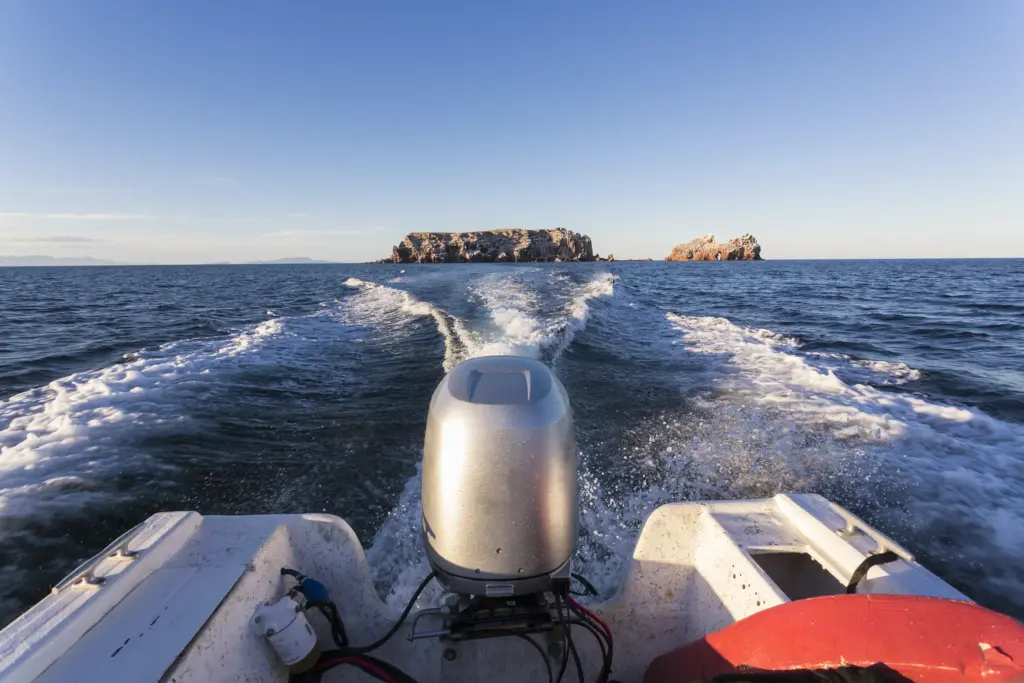
Boat motors do generate electricity to charge batteries, but most do not use traditional alternators like those found in cars. Instead, many outboard engines rely on a stator-based charging system that produces electrical current as the engine runs. Larger boats with inboard engines are more likely to use true alternators, but smaller and mid-sized vessels typically depend on simpler systems designed to maintain battery levels rather than fully recharge them. Understanding how these systems work is essential for managing onboard power, especially when running electronics, navigation systems, and lighting during extended trips on the water.
How Boat Engine Charging Systems Work
To understand how boat motors generate electricity, it is important to look at how their charging systems are designed. Most outboard engines include a stator positioned beneath the flywheel, which produces electrical current through electromagnetic induction as the engine operates. This current is then passed through a regulator that controls voltage before sending it to the battery. While this setup performs the same basic function as an alternator, it is built differently to suit the compact design of marine engines. Inboard engines, especially in larger vessels, often use traditional alternators because they have more space and require higher electrical output to support onboard systems.
Difference Between a Stator and an Alternator
The difference between a stator and an alternator explains why the answer to do boat motors have alternators is not always straightforward. A stator is a stationary component that generates electricity when a rotating magnetic field passes around it, while an alternator uses a rotating internal assembly to create current. Both systems convert mechanical energy into electrical energy, but alternators generally produce more power and are better suited for boats with higher electrical demands. Stators are more compact and efficient for smaller engines, which is why they are commonly used in outboard motors.
Power Output and Charging Limitations
One of the key reasons boat owners question do boat motors have alternators is because they notice limitations in battery charging. Smaller outboard motors produce relatively low electrical output, which is sufficient to maintain battery charge but not always enough to recharge a deeply discharged battery. When multiple electronics are running, such as fish finders, radios, and lighting systems, the total power demand can exceed what the engine produces. This can result in batteries slowly losing charge even while the motor is running, especially at low speeds where output is reduced.

When Boat Motors Use True Alternators
Boat motors do use traditional alternators in certain situations, particularly in larger vessels with inboard engines. These systems are similar to automotive alternators and are capable of producing higher electrical output, making them suitable for boats with advanced electrical systems. Yachts and larger recreational boats often rely on alternators to power multiple batteries, appliances, and onboard systems. In these cases, the answer to do boat motors have alternators is clearly yes, but this typically applies to larger and more complex vessels rather than standard outboard setups.
Managing Electrical Systems on Smaller Boats
For boats equipped with stator-based systems, managing electrical usage becomes important for maintaining battery health. Owners should understand the limits of their charging system and avoid overloading it with too many devices at once. Running electronics efficiently, monitoring battery levels, and ensuring proper wiring connections can help maintain balance between power generation and consumption. Understanding do boat motors have alternators helps owners adjust their expectations and plan their power usage more effectively.
Upgrading Charging Capacity When Needed
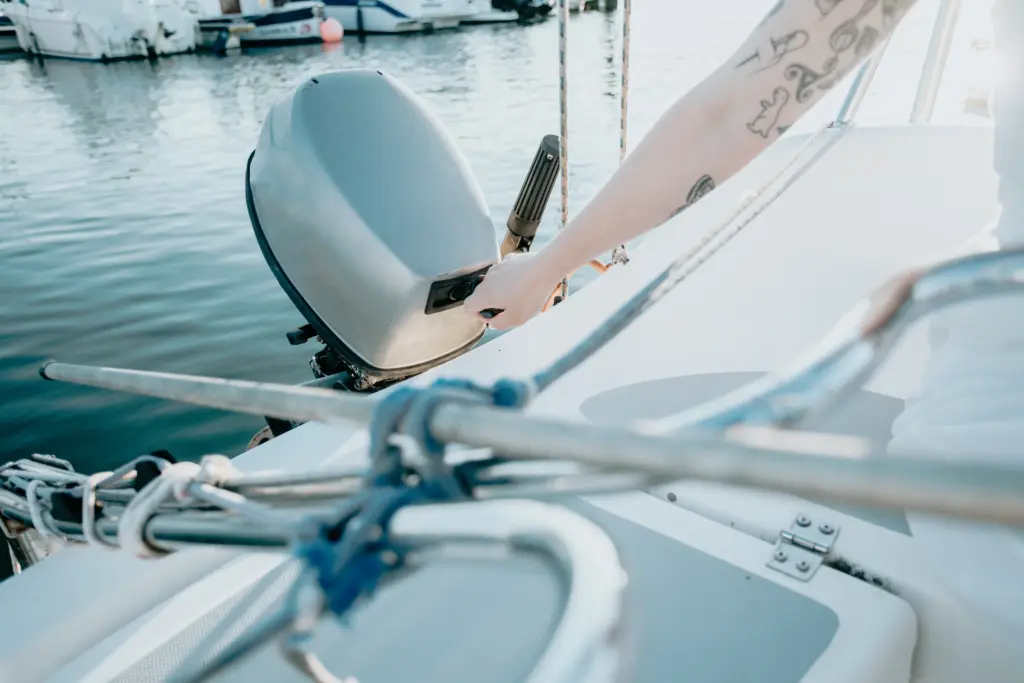
In cases where additional power is required, boat owners can upgrade their charging systems to improve performance. Options include installing higher output stators, adding external charging systems, or using shore power chargers when docked. Some boats may also benefit from dual battery setups or more efficient battery types. These upgrades can help compensate for the limitations of smaller charging systems and provide more consistent power for onboard equipment.
Planning for Power and Ownership Costs
Electrical systems are a key part of long-term boat ownership, and understanding do boat motors have alternators helps owners plan for both performance and cost. Boats with higher electrical demands often require additional investment in batteries, charging systems, and maintenance. Buyers planning to upgrade or purchase larger vessels should consider these factors as part of their overall budget. Loan Services from Float Finance such as boat loan pre-approval can help buyers understand financing options before committing to a purchase. For additional insights into how marine engines and systems operate, resources like Boats.com provide reliable and detailed explanations.
How Engine Speed Affects Battery Charging
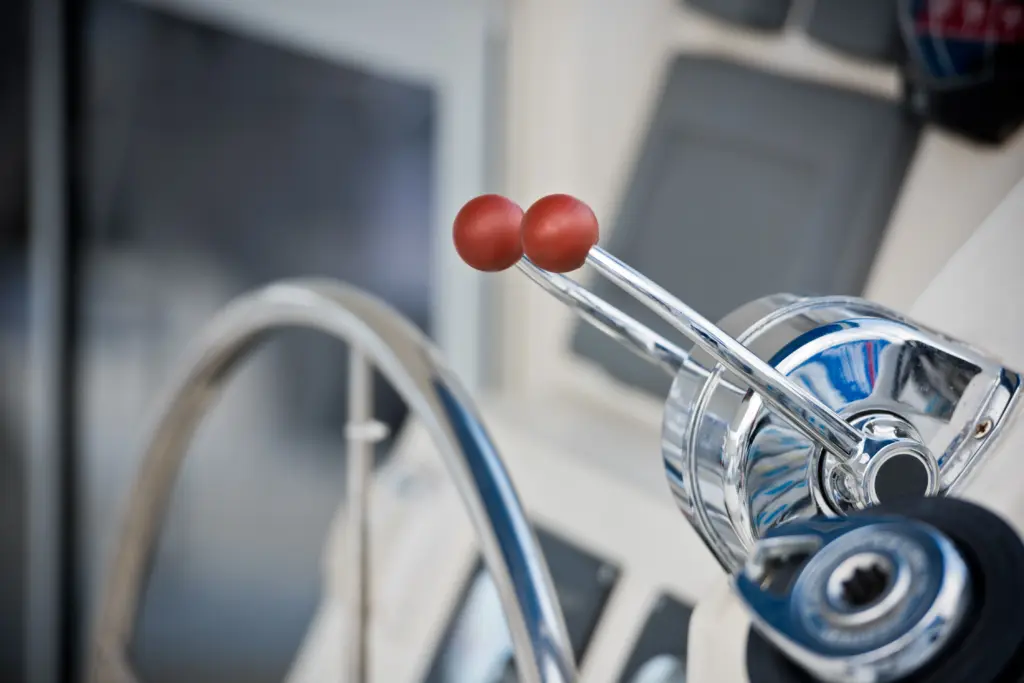
Engine speed plays a major role in how effectively a boat motor charges the battery, which is an important detail when understanding do boat motors have alternators or stator systems. Most stator-based charging systems produce more electrical output as engine RPM increases, meaning higher speeds result in stronger charging performance. When operating at low speeds, such as trolling or idling, the system generates less power, which can lead to battery drain if multiple electronics are in use at the same time. This is why some boat owners experience weak battery performance even after running the engine for extended periods. Recognizing how speed impacts charging allows boaters to adjust their usage habits and avoid relying on the engine alone for power during low-speed operation.
Using Multiple Batteries for Better Power Management
Modern boats often rely on more than one battery to handle increasing electrical demands, especially as onboard technology becomes more advanced. Understanding do boat motors have alternators helps determine whether a single battery system is enough or if additional support is needed. Many boaters use dual battery setups, where one battery is dedicated to starting the engine and another powers electronics and accessories. This separation reduces the risk of draining the starting battery and ensures reliable operation. In combination with battery switches, isolators, or onboard chargers, this setup improves overall power management and allows boat owners to run multiple devices without overloading the charging system.
Conclusion
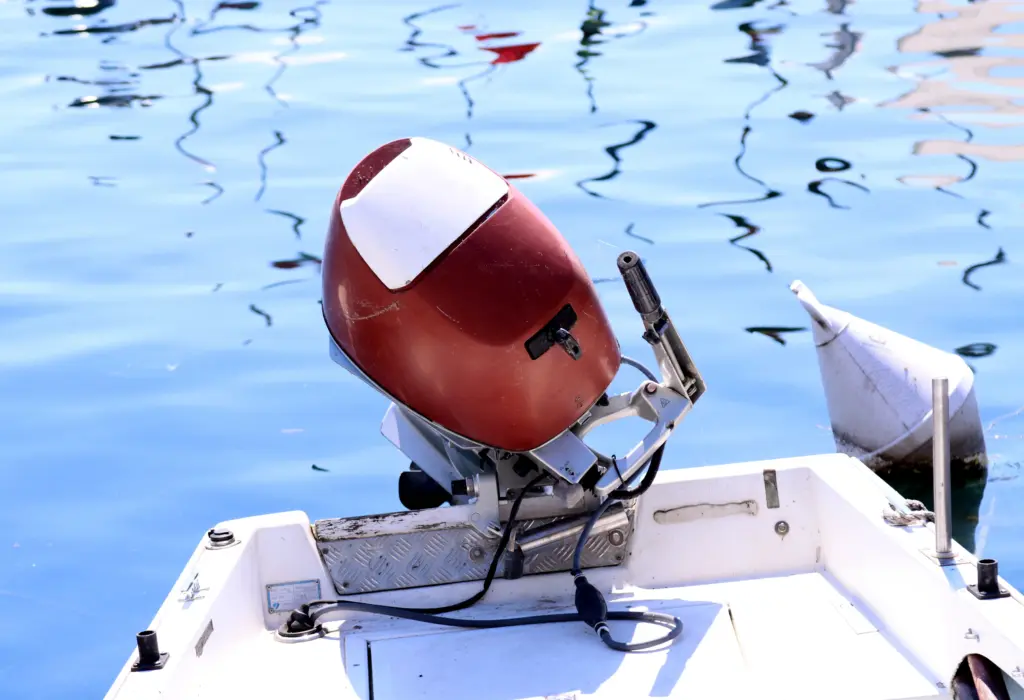
Boat motors do generate electricity, but most use stator systems instead of traditional alternators, especially in outboard engines. Larger boats with inboard engines are more likely to include alternators that provide higher output. Understanding how these systems work helps boat owners manage power effectively, maintain battery health, and avoid unexpected issues on the water. With proper knowledge and planning, maintaining a reliable electrical system becomes much easier and contributes to a safer and more enjoyable boating experience.