
Boats are not legally required to carry insurance in every state, but that does not mean coverage is unnecessary. Whether insurance is required depends on state laws, the type of boat you own, where you use it, and whether the vessel is financed or stored at a marina. Many lenders require insurance before approving a boat loan, and numerous marinas insist on proof of liability coverage before allowing a boat to dock. Understanding do boats require insurance helps owners protect their investment, meet contractual obligations, and reduce financial risk if an accident, theft, or weather-related damage occurs.
Even when the law does not require boat insurance, paying for repairs or liability claims out of pocket can become extremely expensive. Damage caused by collisions, storms, fires, sinking, or vandalism can easily cost thousands of dollars, while liability claims involving injuries or property damage may be far greater. Insurance provides financial protection against these unexpected situations and gives owners greater confidence every time they head onto the water. Before purchasing a boat, it is important to understand not only the legal requirements but also the practical benefits of carrying the right coverage.
Are You Legally Required to Have Boat Insurance?
The answer to do boats require insurance varies because there is no single nationwide law that applies to every recreational boat. In many states, private boat owners are not legally required to carry insurance simply to register or operate a boat. However, several states have specific rules for certain types of vessels or commercial operations. Because boating laws differ from one jurisdiction to another, owners should always review the regulations that apply where they plan to use their boat instead of assuming the rules are the same everywhere.
Although insurance may not be legally required by the state, other organizations often establish their own requirements. Marinas, yacht clubs, storage facilities, and boating events commonly require proof of insurance before allowing access to their property or facilities. These requirements help reduce financial risk for everyone involved and protect both boat owners and property managers. Understanding do boats require insurance therefore involves looking beyond state law and considering the agreements that come with boat ownership.
When Boat Insurance Becomes Mandatory
There are several situations where insurance effectively becomes a requirement even if state law does not specifically mandate it. One of the most common examples involves financing. Most lenders require borrowers to maintain insurance throughout the life of the loan because the boat serves as collateral. Without adequate coverage, the lender’s investment would be exposed if the boat were damaged or declared a total loss. This makes insurance an important part of the financing process for many buyers.
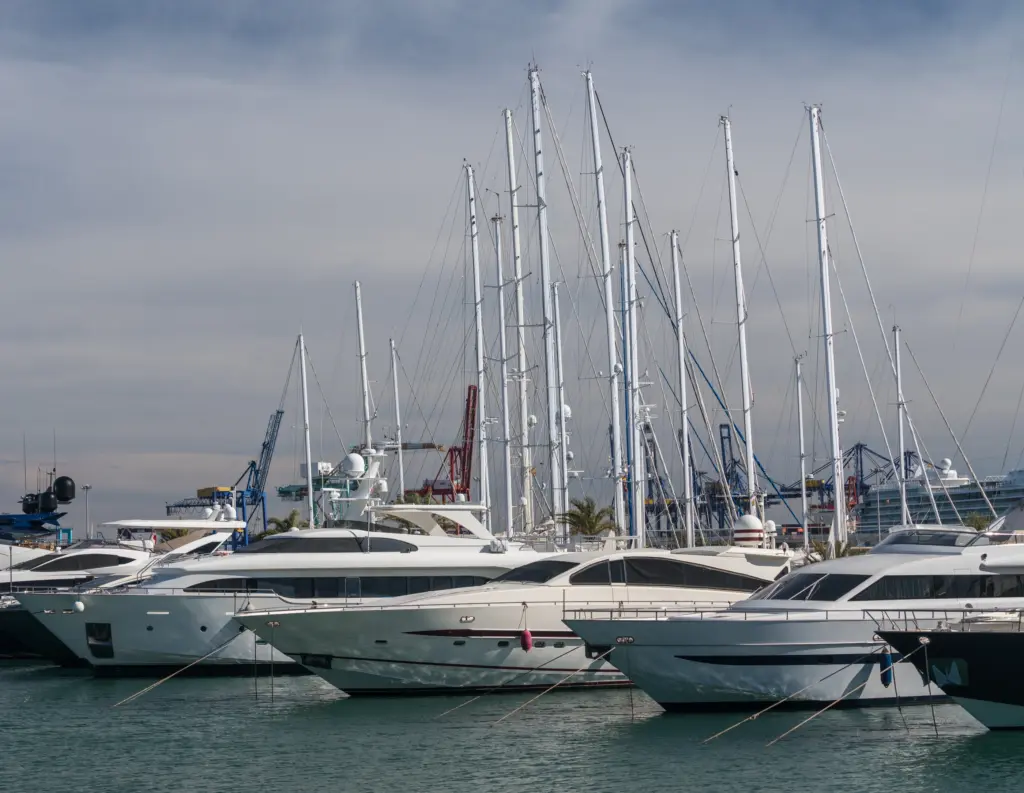
Boat owners may also find insurance mandatory when renting a slip at a marina or storing the boat at a commercial facility. Many marinas require minimum liability limits before approving docking agreements, particularly for larger vessels. Some organized boating events and yacht clubs also require participants to carry insurance before joining activities. Understanding do boats require insurance means recognizing that contractual requirements are often just as important as legal requirements.
What Boat Insurance Usually Covers
Boat insurance policies vary between providers, but many include several core types of protection. Physical damage coverage helps pay for repairs or replacement if the boat is damaged by events such as collisions, fire, storms, theft, or vandalism. Liability coverage helps protect the owner if the boat causes injury to another person or damages someone else’s property. Depending on the policy, coverage may also extend to permanently attached equipment, trailers, and certain personal belongings carried on board.
Many insurers also offer optional coverage that protects against fuel spills, emergency towing, wreck removal, uninsured boaters, and personal effects. Some policies include coverage while transporting the boat on a trailer or while it is stored during the off-season. Reviewing these options carefully helps owners choose coverage that matches how they actually use their boat. Understanding do boats require insurance is only the first step; selecting appropriate coverage is equally important for protecting the investment.
Factors That Affect Boat Insurance Costs
The cost of boat insurance depends on many variables, including the boat’s value, age, size, horsepower, and intended use. Larger and more expensive boats generally cost more to insure because replacement and repair expenses are higher. Boats capable of higher speeds or used in offshore waters may also carry higher premiums due to increased risk. Insurance companies also consider where the boat is stored, how often it is used, and whether it operates year-round or seasonally.
The owner’s boating experience and claims history can also influence insurance premiums. Operators who have completed approved boating safety courses may qualify for discounts from some insurers because additional education often reduces accident risk. Deductible amounts, coverage limits, and optional endorsements further affect pricing. Comparing several insurance quotes gives owners a better understanding of the available options while helping them balance cost with the level of protection they need.
Why Boat Insurance Is Worth Considering Even When It Is Optional
Even if state law does not require coverage, many experienced boat owners still choose to insure their vessels because the financial risks of boating can be substantial. Understanding do boats require insurance also means understanding what happens when a boat is uninsured. A collision with another vessel, damage to a marina, or an accident involving passengers can result in repair bills and liability claims that far exceed the annual cost of an insurance policy. Without coverage, the owner is generally responsible for paying those expenses out of pocket, which can place significant strain on personal finances.
Insurance also provides peace of mind in situations beyond collisions. Boats may be damaged by severe weather, theft, vandalism, fire, or falling objects while stored at a marina or on private property. Even careful owners cannot control every risk associated with boat ownership. Carrying insurance helps reduce uncertainty and allows owners to focus on enjoying their time on the water instead of worrying about unexpected financial losses. For many people, that protection alone makes insurance a worthwhile investment.
How Boat Insurance Protects Financed Boats
Insurance becomes especially important when a boat is purchased through financing. Since the lender has a financial interest in the vessel until the loan is repaid, most financing agreements require comprehensive insurance coverage throughout the loan term. This requirement protects both the borrower and the lender if the boat is stolen, seriously damaged, or declared a total loss. Understanding do boats require insurance is essential before applying for financing because proof of insurance is often needed before the loan can be finalized.
Planning makes the buying process much smoother. Buyers should compare insurance options before taking delivery of the boat so coverage can begin immediately after purchase. Those exploring financing can also benefit from obtaining Boat Loan Pre-Approval through Float Finance. Knowing your financing budget before shopping allows you to compare boats with greater confidence while preparing for related ownership costs such as insurance, maintenance, fuel, and storage.
Tips for Choosing the Right Boat Insurance Policy
Selecting the right policy involves more than finding the lowest premium. Boat owners should carefully review coverage limits, deductibles, exclusions, and optional endorsements before making a decision. A lower-priced policy may provide less protection, leaving owners responsible for significant repair or liability costs after an accident. Comparing several providers allows buyers to evaluate both price and coverage while identifying policies that best match the way the boat will be used throughout the year.
It is also helpful to ask how claims are handled, whether emergency towing is included, and if coverage extends to trailers, onboard equipment, and personal belongings. Owners who regularly travel between states or coastal regions should confirm that their policy remains valid in all planned boating areas. Taking time to compare these details provides much greater value than choosing a policy based solely on cost.
Making an Informed Decision About Boat Insurance
The decision to purchase boat insurance should be based on the value of the boat, how often it is used, where it is operated, and the level of financial protection you want. Smaller boats used occasionally on local lakes may present different insurance needs than larger cruisers traveling along the coast or spending months in marinas. Evaluating your boating habits helps determine the amount and type of coverage that makes the most sense for your situation.
Reliable information is also important when comparing policies and understanding your responsibilities as a boat owner. Educational resources from the Insurance Information Institute explain common insurance terms, different coverage options, and the role insurance plays in protecting valuable assets. Reviewing trustworthy information before purchasing a policy helps owners make informed decisions that support long-term financial security.
Conclusion
The answer to do boats require insurance depends on state regulations, financing agreements, marina requirements, and how the boat is used. Although many states do not legally require insurance for recreational boats, carrying the right coverage provides valuable protection against accidents, theft, weather damage, and liability claims. Comparing policies carefully and understanding your risks can help you choose coverage that fits both your boating lifestyle and your budget. If you’re planning to purchase a boat, Float Finance can help you explore financing solutions that make ownership more accessible while allowing you to prepare for important expenses such as insurance, maintenance, and storage.