
Call Us : 207-994-5109
Mon – Fri: 8 am to 9 pm & Sat – Sun: 10 am to 8 pm
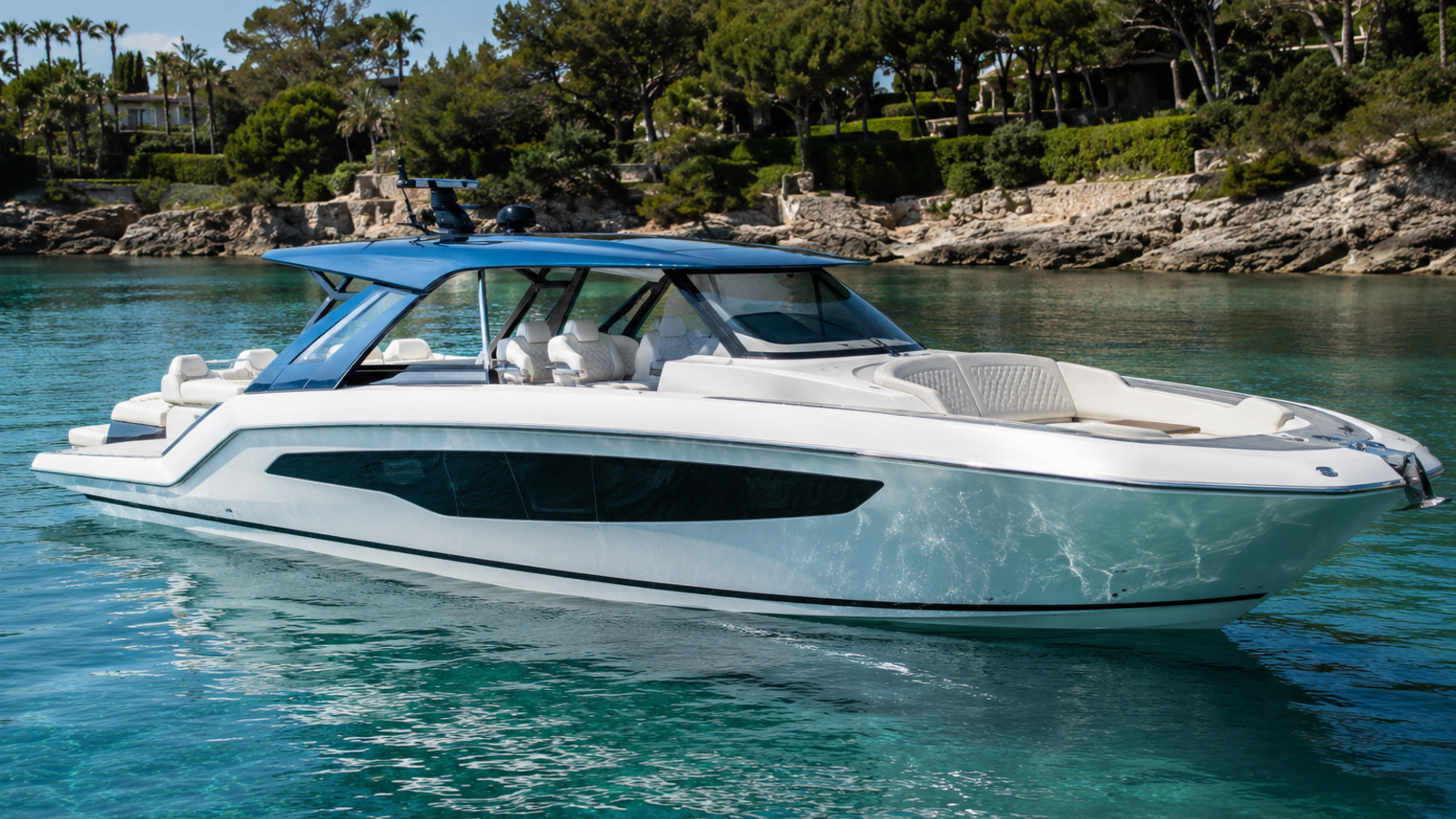
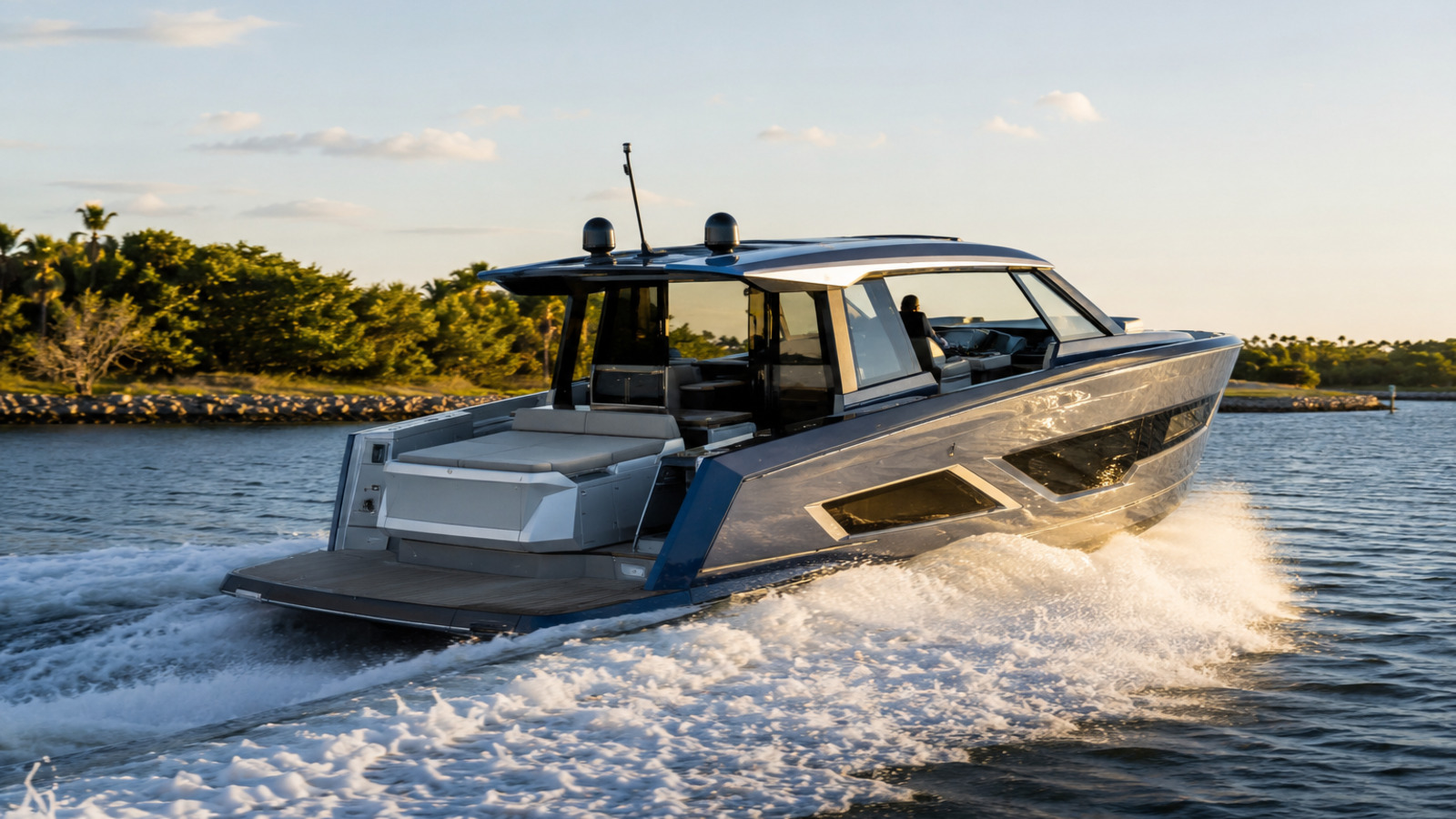
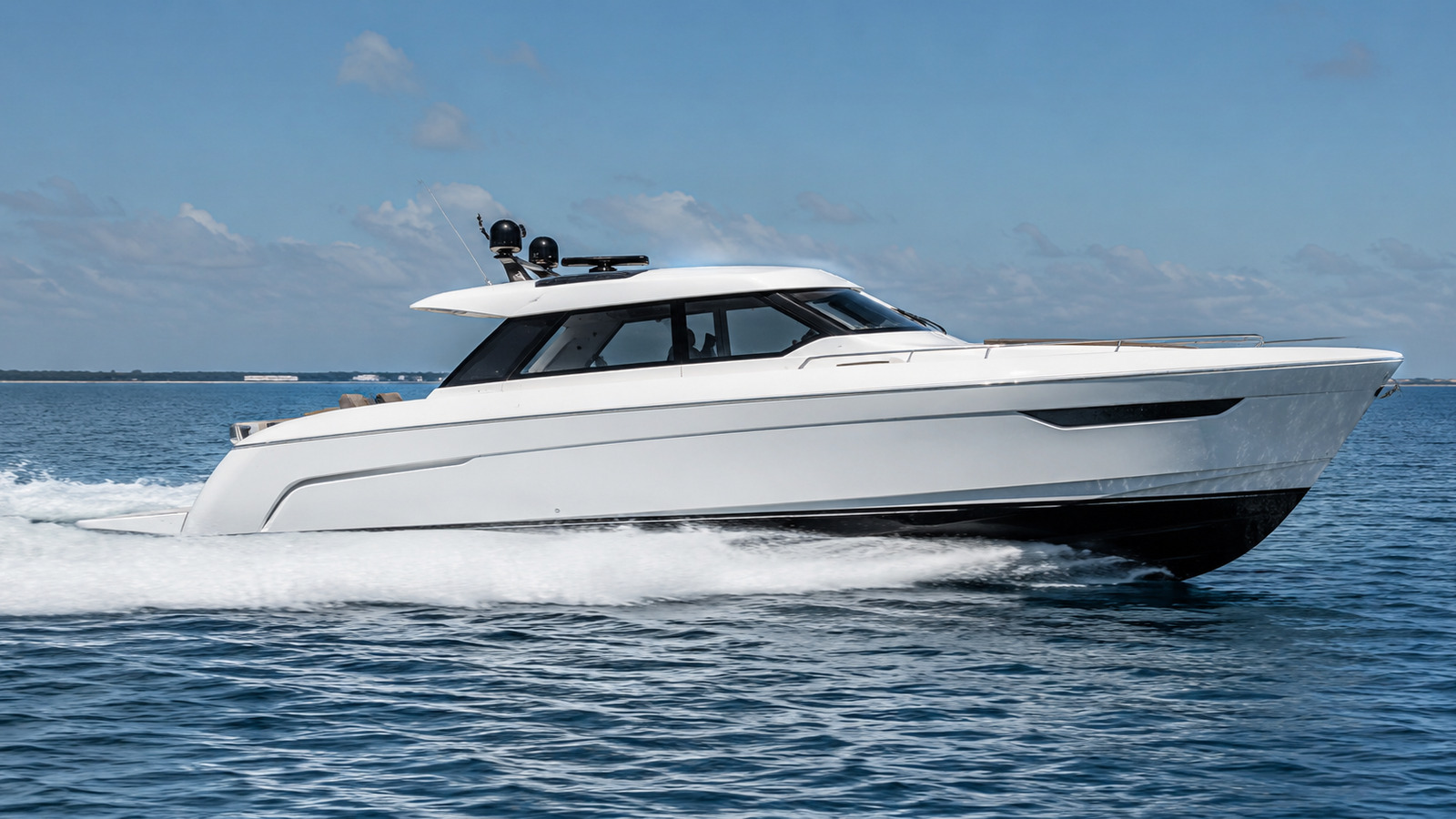
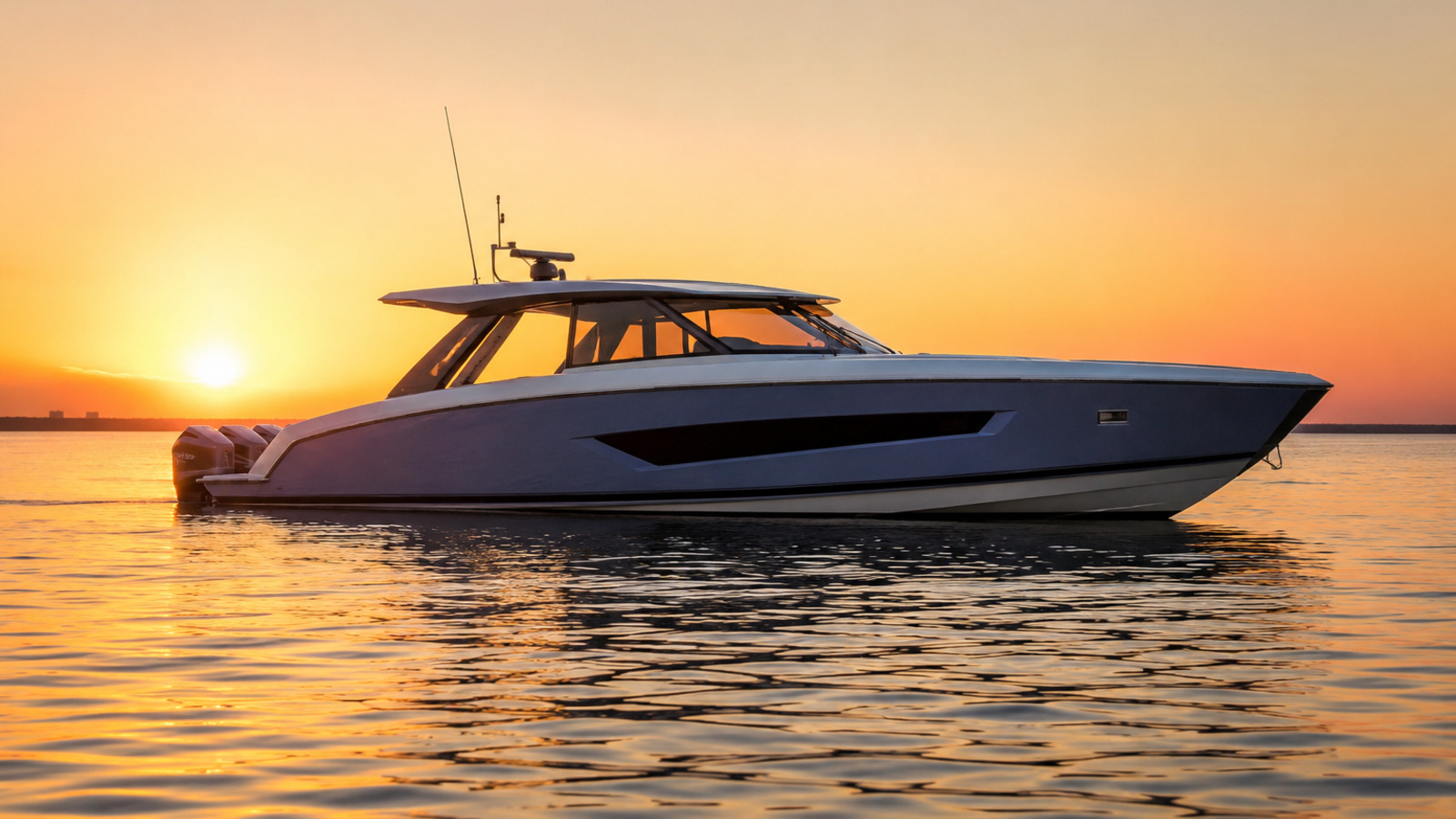
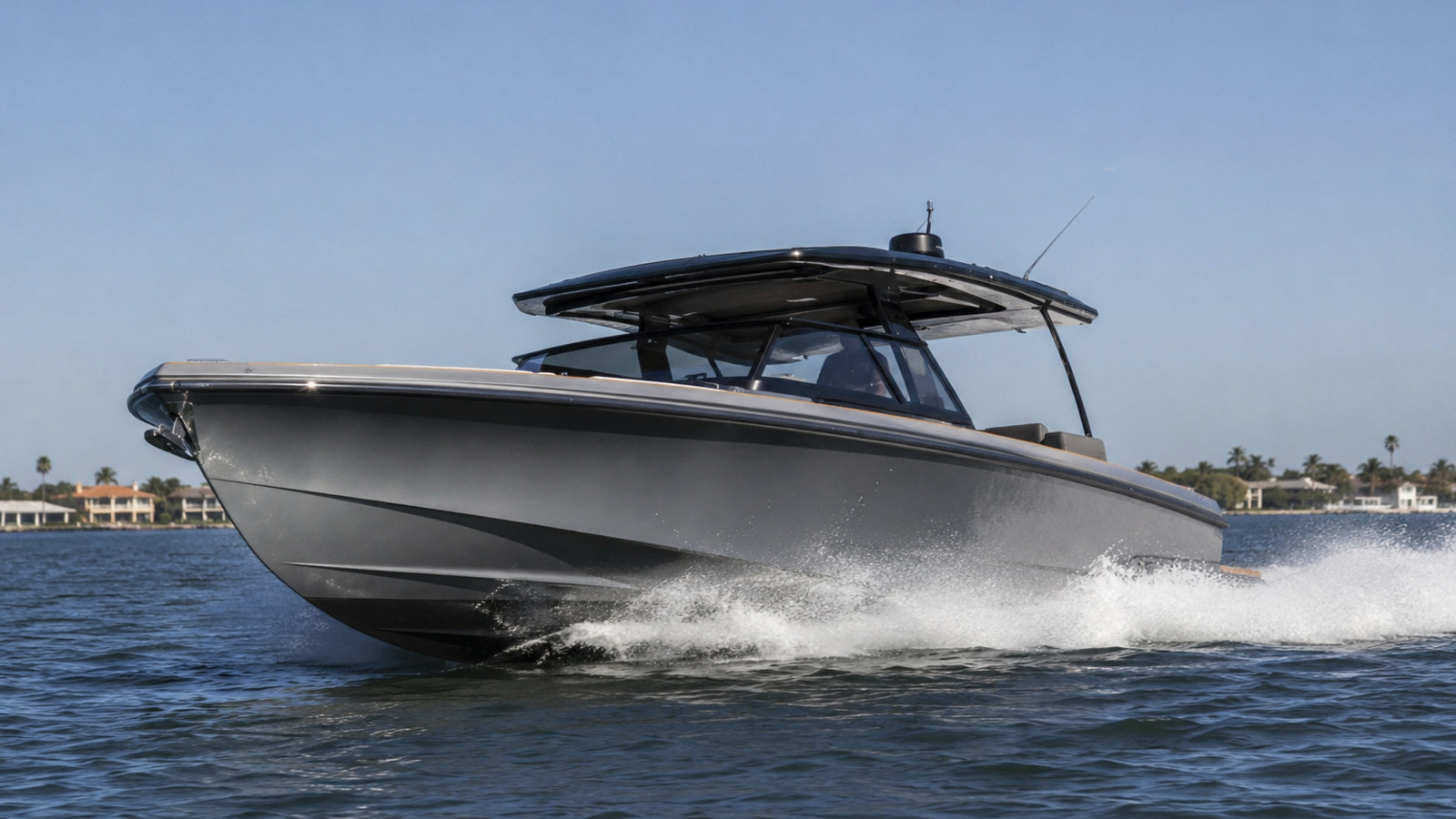
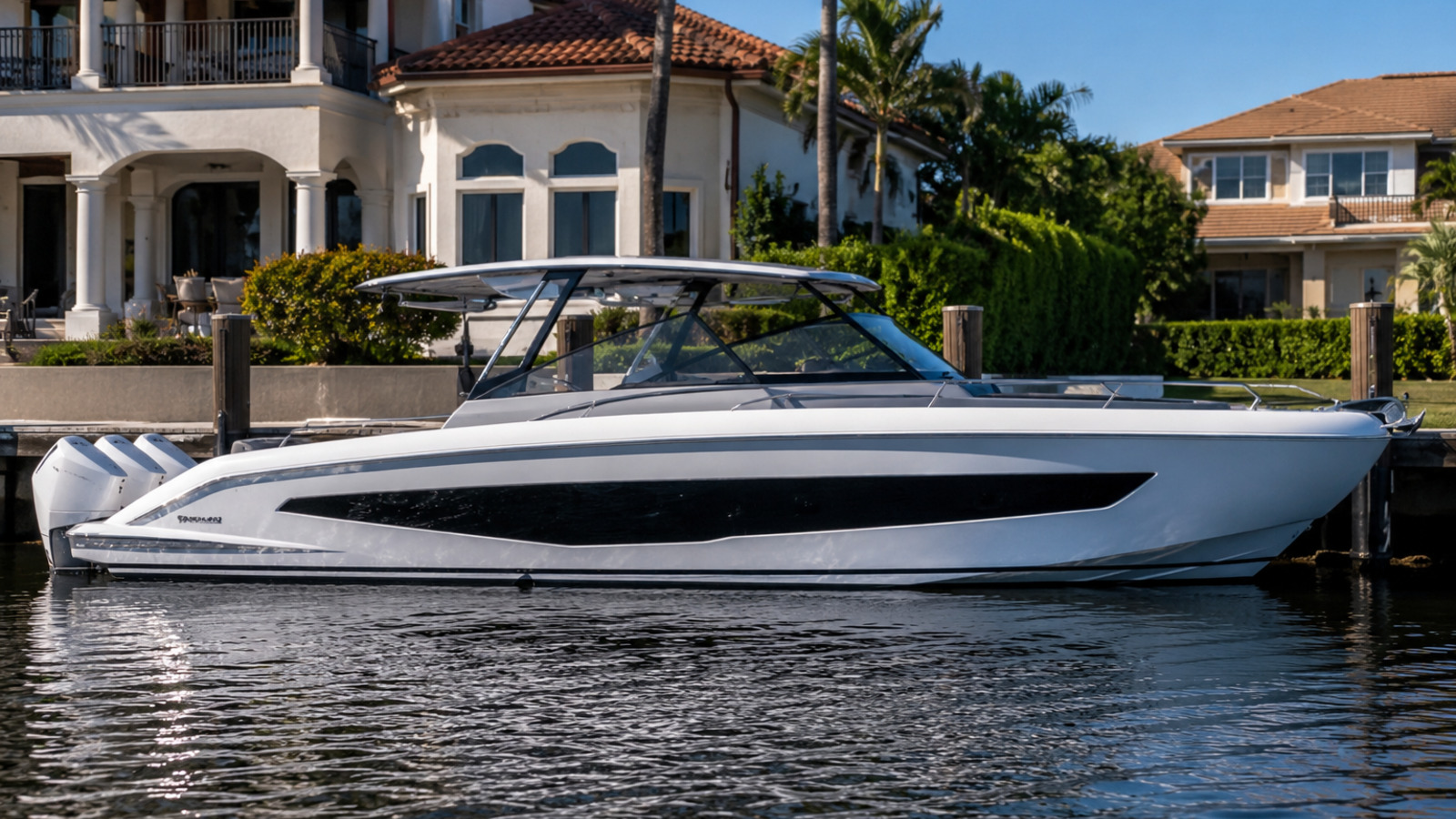
The Formula 400 Super Sport Crossover is the 40-foot quad-outboard SSC that standardizes the large-crossover formula around a 12-foot beam, 400 gallons of fuel and a cabin with separate sleeping zones.
The Formula 400 Super Sport Crossover is the 40-foot quad-outboard SSC that standardizes the large-crossover formula around a 12-foot beam, 400 gallons of fuel and a cabin with separate sleeping zones. Its strongest fit is buyers who want a serious open-bow cruiser with quad-outboard docking control, a coupe-protected helm and enough cabin separation for weekend use.
The 400 reaches a 12-foot beam and more than 23,000 pounds approximate weight, so it belongs in marina and yacht-service planning even though its open bow still reads like a giant day boat.
The current 400 SSC platform is quad-outboard. Formula does not publish one clean maximum-horsepower figure on the accessible current page, so the buyer should identify the exact Mercury package rather than assume every 400 carries the same output.
When separate sleeping zones is a priority, the reason to compare this boat with 380 Super Sport Crossover or 430 Super Sport Crossover is simple. When quad-outboard ownership is a priority, the sibling changes a major part of the ownership plan rather than just adding another foot of length.
For the 400 Super Sport Crossover, quad-outboard ownership should matter more than decorative options. For owners focused on quad-outboard ownership, a buyer who rarely uses that capability may get better value from the adjacent model.
For owners focused on separate sleeping zones, the biggest ownership compromise is infrastructure. In a purchase centered on quad-outboard ownership, at 40′ 0″ hull / 42′ 6″ outboards down and 12′ 0″ of beam, the exact lift, slip, trailer or transport plan should be known before financing.
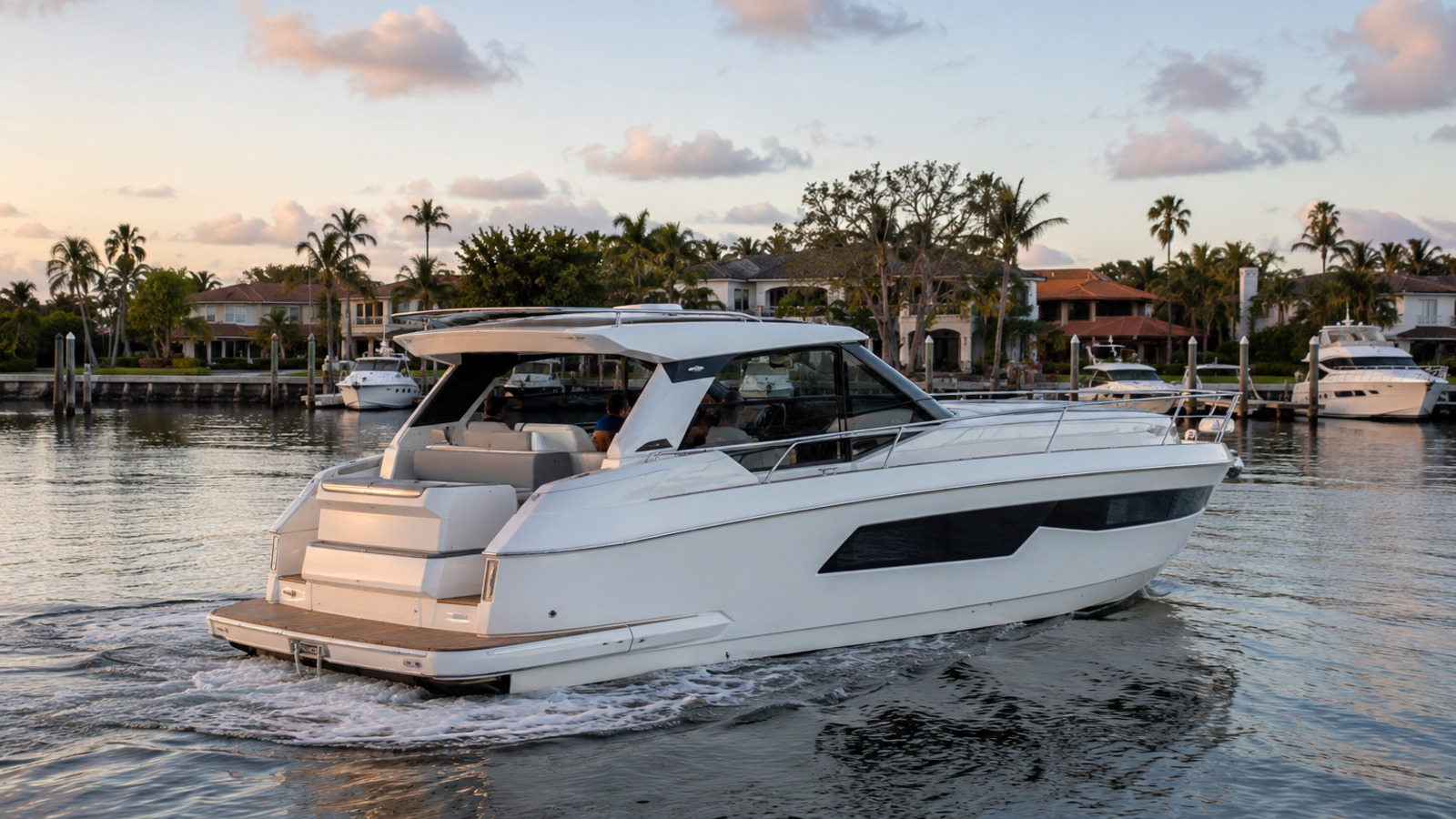
Published factory figures. Confirm every dimension against the individual boat before you commit.
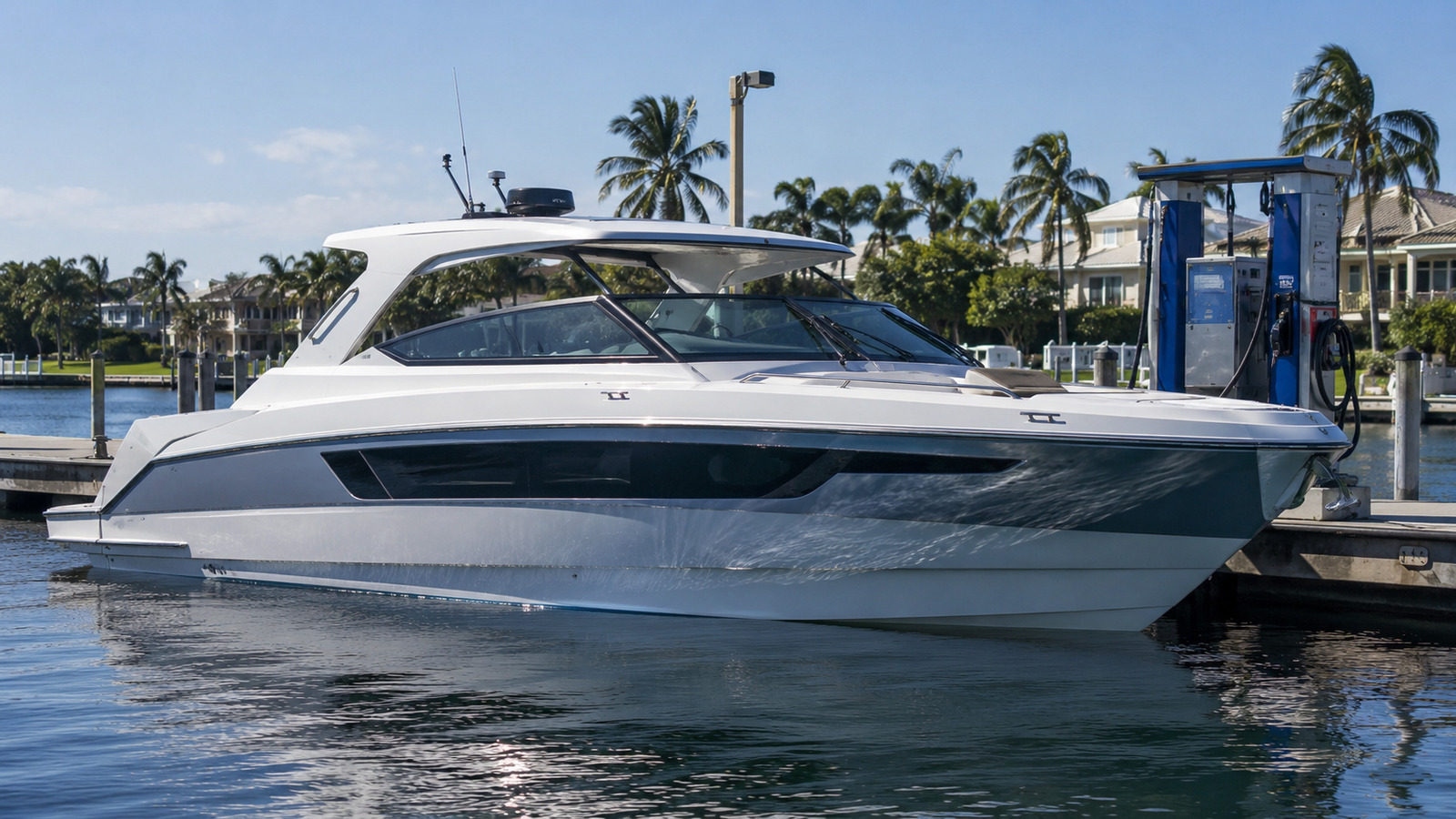
The 400 reaches a 12-foot beam and more than 23,000 pounds approximate weight, so it belongs in marina and yacht-service planning even though its open bow still reads like a giant day boat.
When 400-gallon fuel system is a priority, Formula uses performance-oriented hull design across these categories, but the 400 Super Sport Crossover should be judged by what the dimensions mean in real ownership. When 12-foot beam is a priority, beam controls slip and road width. For owners focused on 400-gallon fuel system, weight controls lift and tow requirements. For owners focused on 12-foot beam, draft controls ramp and shallow-water access.
In a purchase centered on 400-gallon fuel system, the published weight is not the delivered operating weight. In a purchase centered on 12-foot beam, a full 400 gal fuel load, batteries, water, generator fuel where applicable, hardtop electronics, gear and passengers can add a meaningful margin.
From a 400-gallon fuel system standpoint, inspect the running surface in bright light. From a 12-foot beam standpoint, keel, chines, steps where applicable, strakes, transom corners and swim-platform joints should show consistent gelcoat and no unexplained repair pattern.
Maximum Horsepower: Current quad-outboard platform; Formula does not publish one single max on the current page
The current 400 SSC platform is quad-outboard. Formula does not publish one clean maximum-horsepower figure on the accessible current page, so the buyer should identify the exact Mercury package rather than assume every 400 carries the same output.
From a quad-outboard ownership standpoint, the exact engine package should be treated as part of the model name when comparing used boats. In a purchase centered on separate sleeping zones, engine count, gearcase type, joystick hardware and total horsepower can change fuel burn, stern access and future replacement cost.
When quad-outboard ownership is a priority, record every engine serial number and operating hour. From a separate sleeping zones standpoint, multi-engine boats should have service records reviewed independently because one newer replacement lower unit or powerhead can make a matched-looking set mechanically uneven.
For owners focused on quad-outboard ownership, outboard versions need lower-unit, propeller, trim, steering, mount and flushing checks. When separate sleeping zones is a priority, sterndrive versions need drive oil, bellows or sealing hardware, gimbal-area inspection, engine-room ventilation and winterization history.
In a purchase centered on quad-outboard ownership, the 400 Super Sport Crossover should shift cleanly and hold a steady cruise without vibration or warning messages. For owners focused on separate sleeping zones, joystick systems should be tested at the dock rather than assumed to work because the screen powers on.
From a quad-outboard ownership standpoint, local service access is part of the power decision. In a purchase centered on separate sleeping zones, a high-output configuration is less attractive when the nearest qualified technician is several hours from the boat’s home marina.
A sea trial should run long enough to show how the boat behaves during quad-outboard ownership, not merely prove that the engines start. From a separate sleeping zones standpoint, the 400 Super Sport Crossover needs to idle, accelerate, cruise and return to the dock without electrical, steering, cooling or trim problems.
When quad-outboard ownership is a priority, the right power package is the one that moves the normal crew confidently while leaving enough ownership budget for the service profile that comes with it.
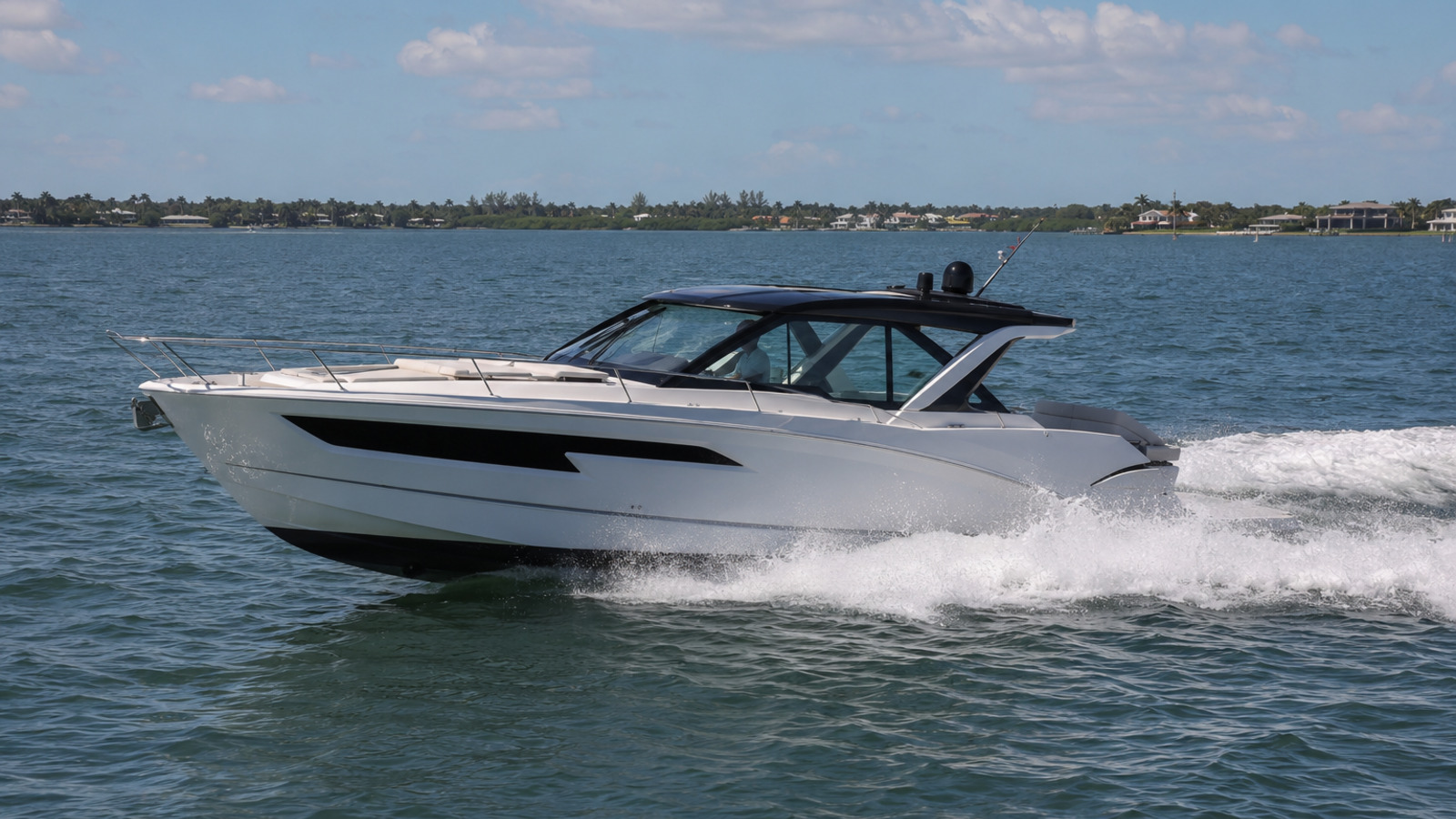
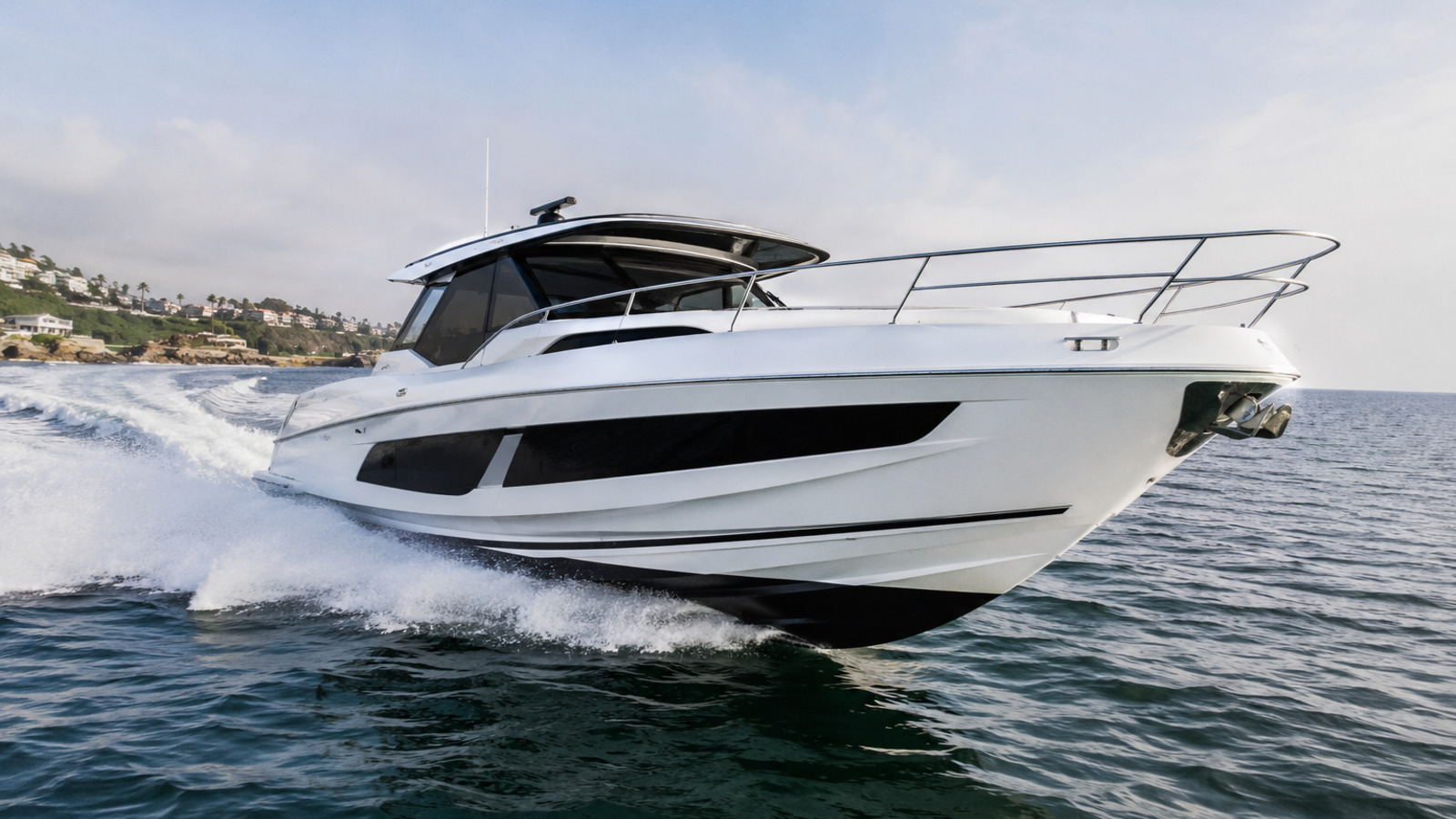
Storage Length: Measure the completed boat, engines, platform and trailer if applicable
Fuel capacity on the 400 Super Sport Crossover is large enough to affect both range and loaded displacement. When 400-gallon fuel system is a priority, the buyer should plan from observed cruise fuel flow rather than assuming the published tank automatically translates into a fixed distance.
When 12-foot beam is a priority, engine count and propulsion type matter. For owners focused on 400-gallon fuel system, a twin or triple outboard version can have a different tank figure or real burn profile from a sterndrive sibling on the same hull.
For owners focused on 12-foot beam, a full fuel load also changes acceleration and lift calculations. In a purchase centered on 400-gallon fuel system, the difference is especially important on models carrying hundreds of gallons because gasoline alone can add thousands of pounds.
In a purchase centered on 12-foot beam, freshwater capacity of 56 gal supports the cabin, head, galley, washdowns or shower systems that belong to this exact model. From a 400-gallon fuel system standpoint, those pumps and hoses should be run long enough to reveal leaks.
The 400 Super Sport Crossover should be sea-trialed at the speeds and loads the owner expects to use. For owners focused on quad-outboard ownership, a short full-throttle run says less about ownership than how the boat leaves the dock, comes onto plane, cruises through chop and returns to a slip.
The 400 reaches a 12-foot beam and more than 23,000 pounds approximate weight, so it belongs in marina and yacht-service planning even though its open bow still reads like a giant day boat.
When separate sleeping zones is a priority, at idle, practice reverse, a tight turn and a crosswind approach. In a purchase centered on quad-outboard ownership, larger Formula models carry enough windage that joystick calibration, bow-thruster response where fitted and engine synchronization can matter more than top speed.
For owners focused on separate sleeping zones, acceleration should be clean with several adults aboard. From a quad-outboard ownership standpoint, watch forward visibility and whether the hull needs unusual tab or trim input just to feel level.
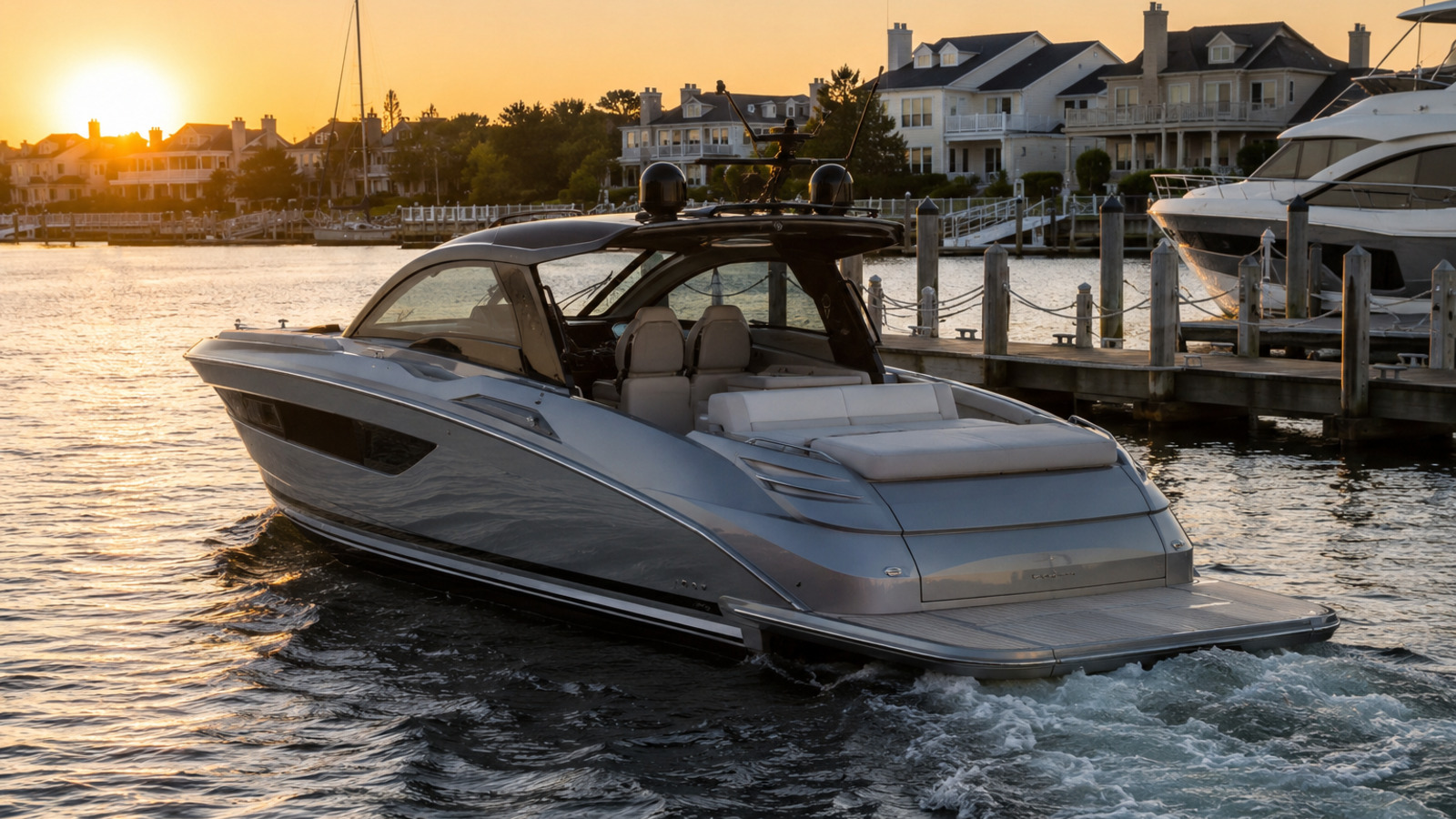
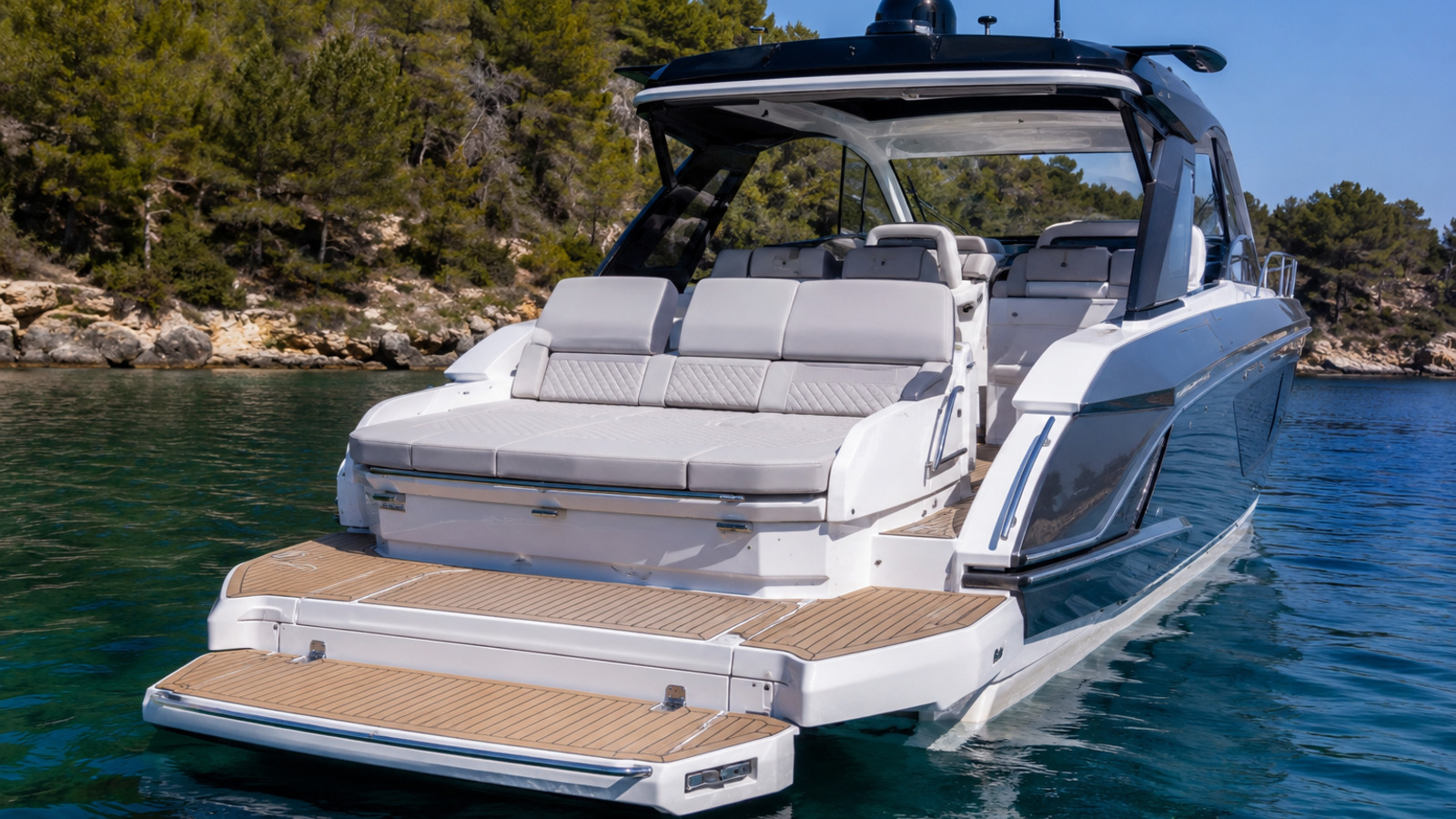
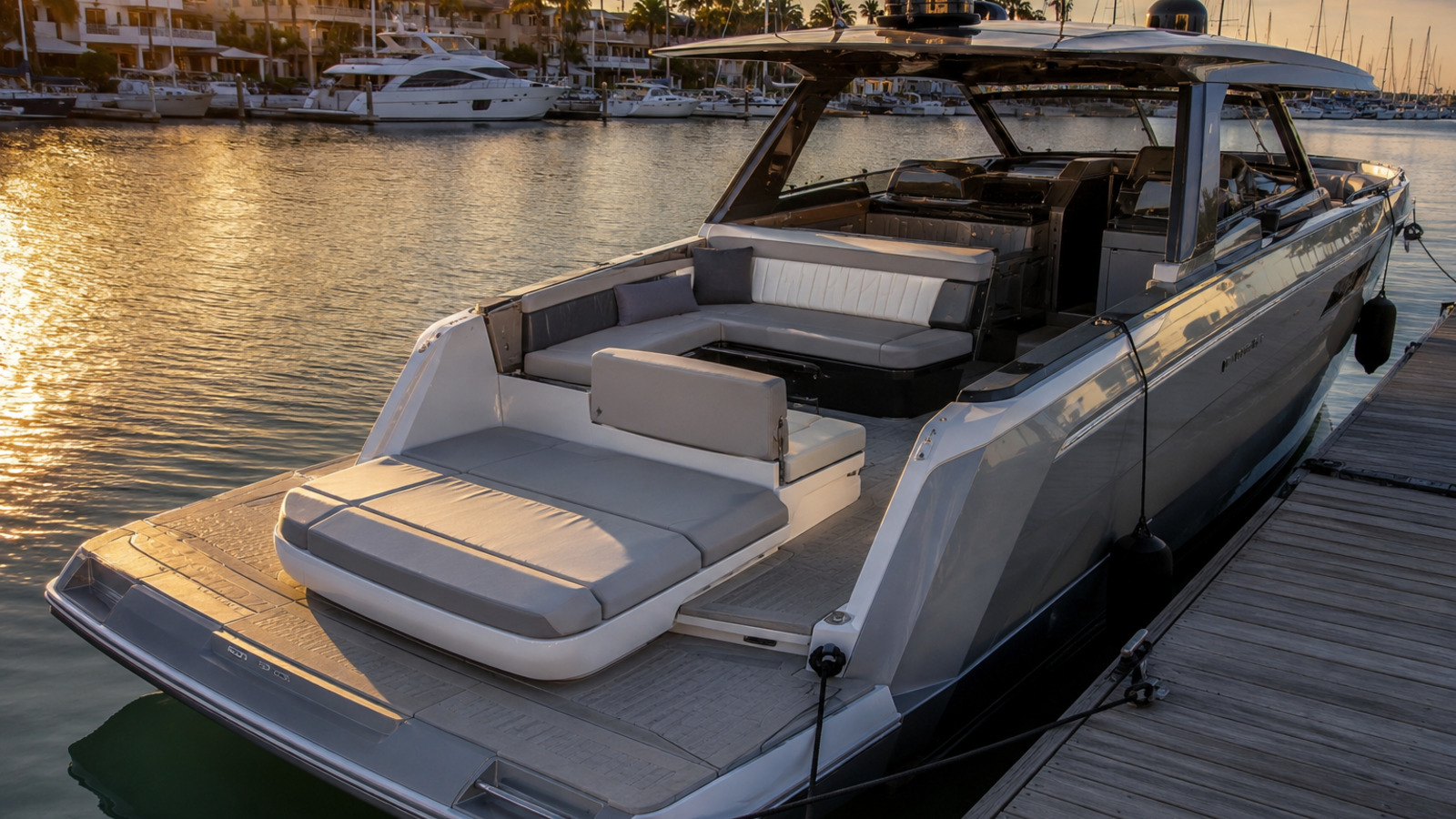
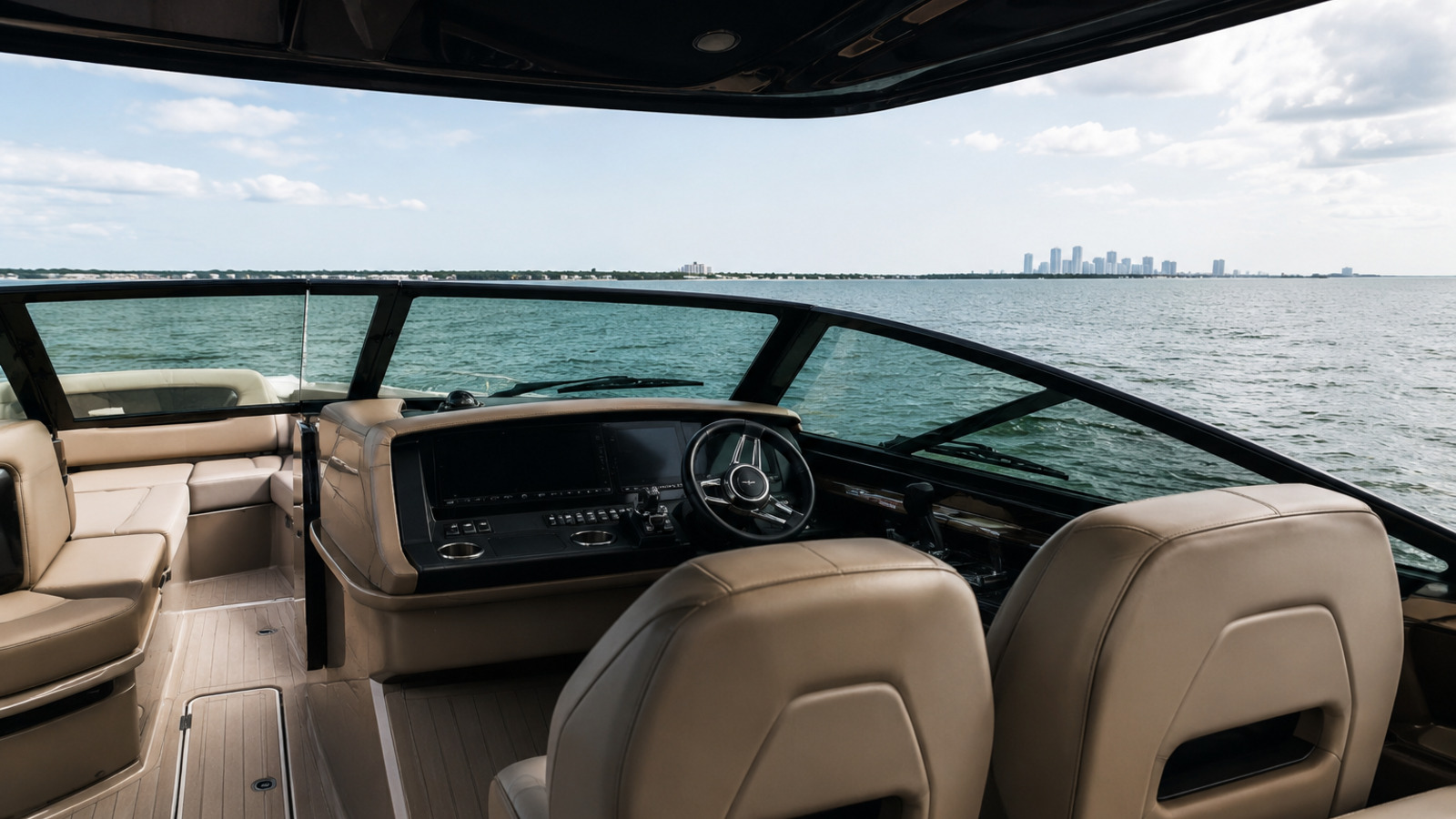
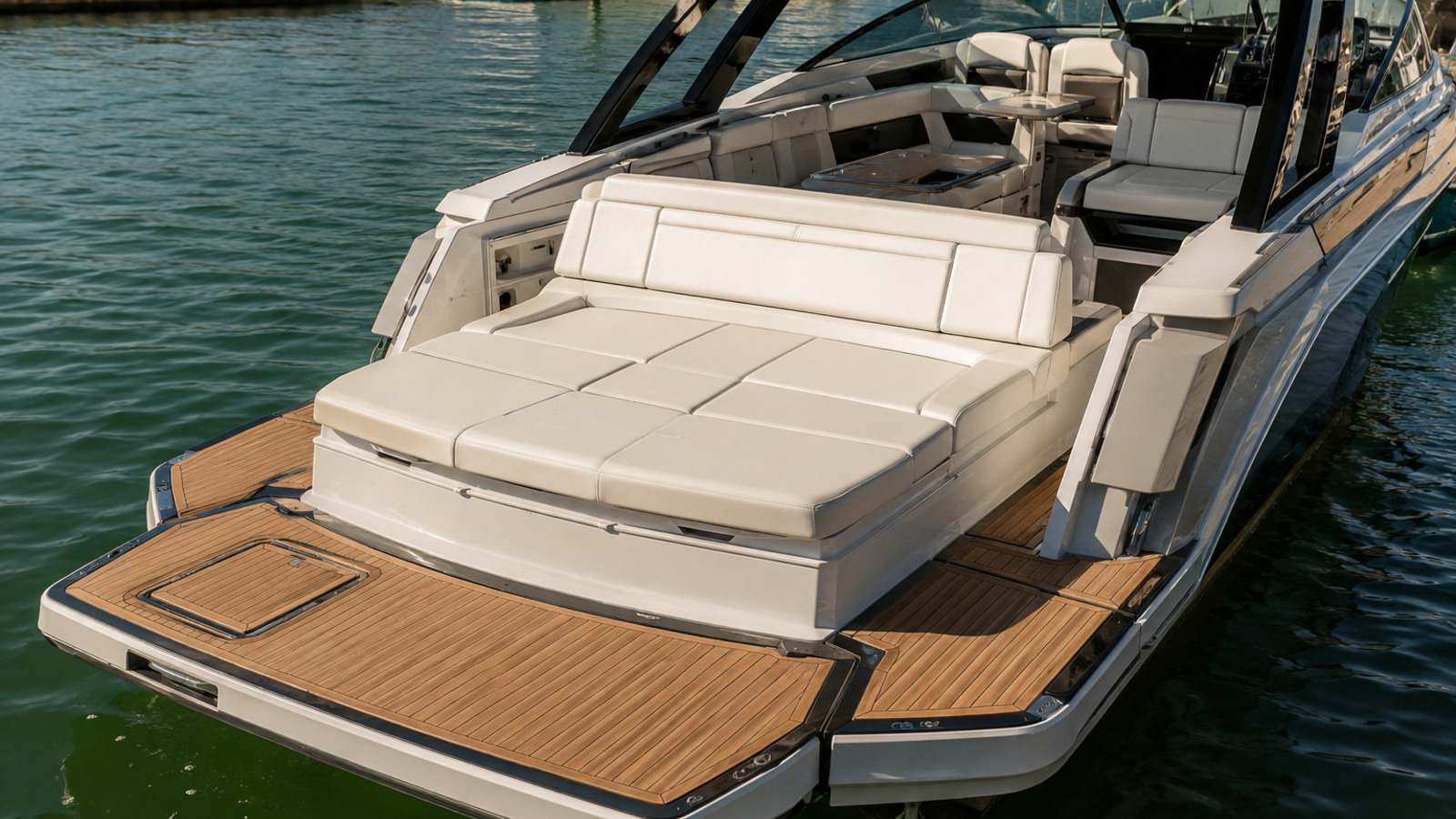
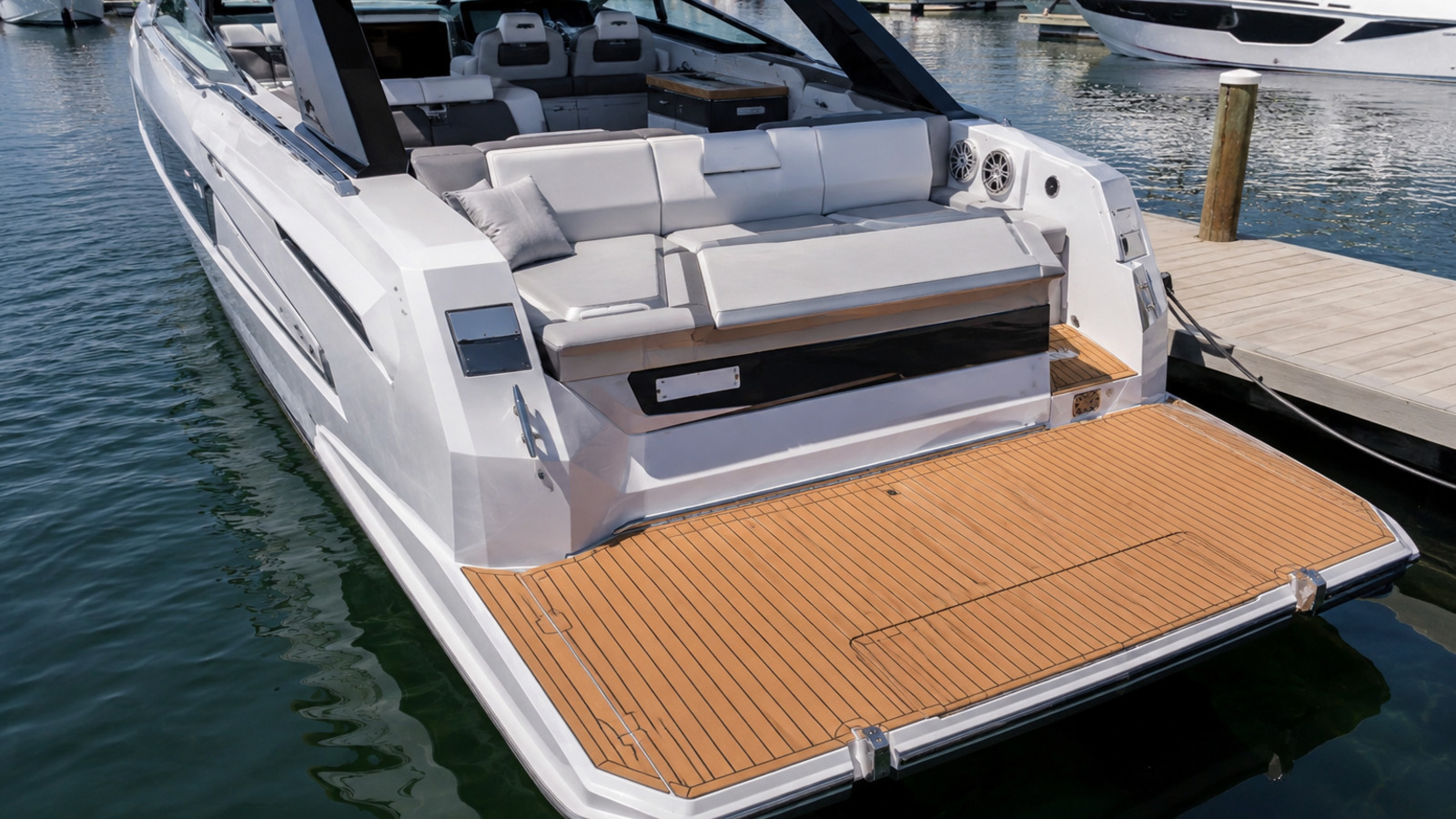
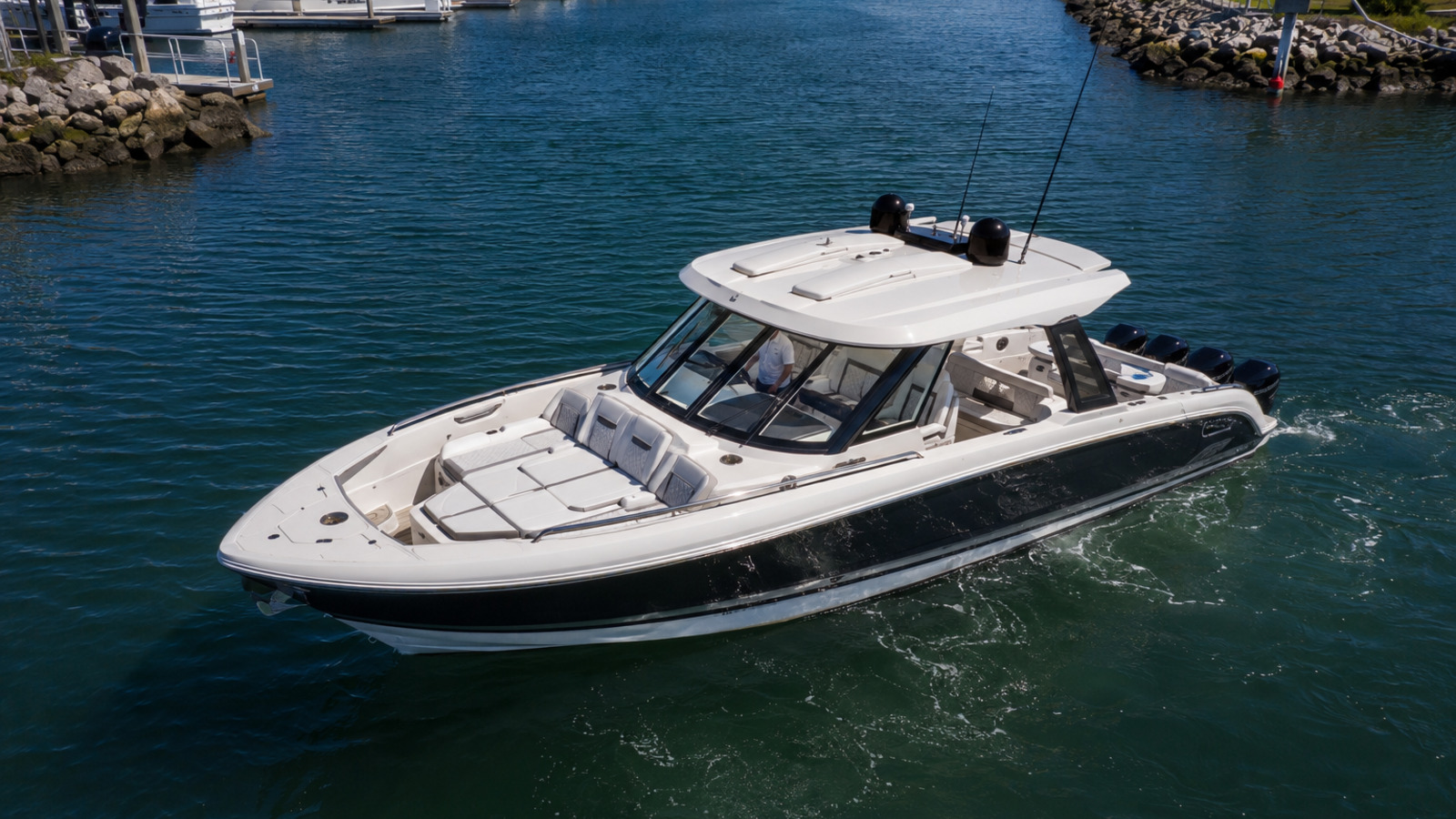
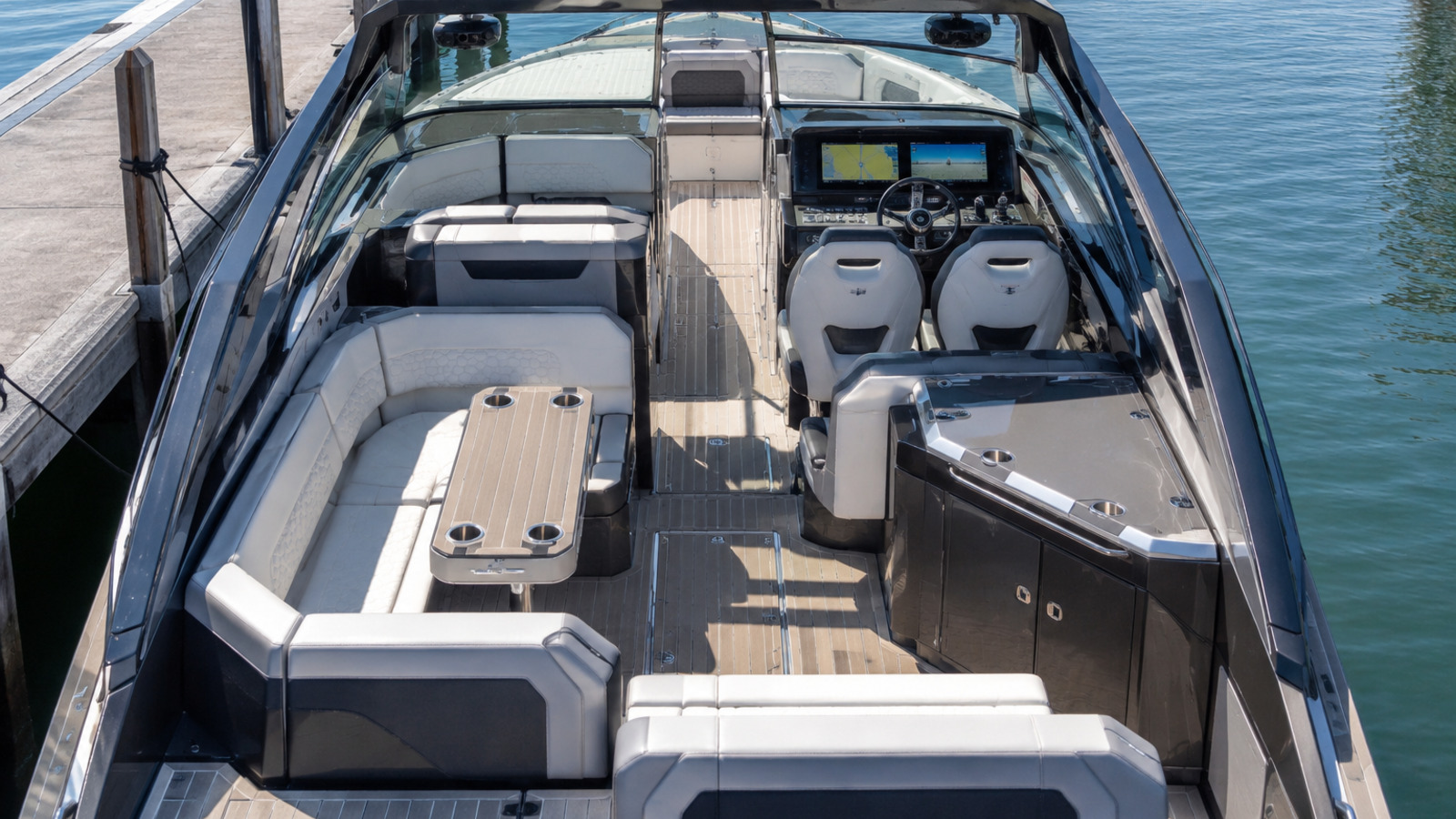
The 400 combines an expansive open bow, triple helm seating, outdoor kitchen, aft U-shaped lounge and coupe protection. Below, a convertible dinette berth and separate aft sleeping area give the cabin more privacy than a basic cuddy.
When 400-gallon fuel system is a priority, the cockpit should be tested with a realistic group aboard. From a 12-foot beam standpoint, sit adults in the bow, helm, aft seating and cabin entry, then move from one zone to another without clearing seats first.
For owners focused on 400-gallon fuel system, storage matters because premium Formula models accumulate fenders, dock lines, boards, rods, coolers, towels, bedding and galley supplies quickly. When 12-foot beam is a priority, empty showroom lockers can overstate how spacious the boat will feel on a real weekend.
In a purchase centered on 400-gallon fuel system, helm sightlines should work with passengers seated forward. For owners focused on 12-foot beam, the driver should not need to stand constantly just to see over the bow during acceleration.
400-Gallon Fuel Capacity – Treat this as an ownership system, not a spec-sheet trophy; service history, operating hours and capacity all matter to buyers planning separate sleeping zones.
Match the exact engine package to service records, local dealer support and the demands of quad-outboard ownership; propulsion condition can outweigh cosmetic option value.
Cycle every moving panel, shade and seal, then inspect mounts and drainage; 12-foot beam quickly exposes rattles, leaks or hardware that only looked good at the dock.
Boot the full helm network, confirm engine and navigation data, and test the controls during separate sleeping zones rather than treating a bright screen as proof that every sensor communicates.
Run refrigeration, water and latches while the boat is powered normally; for 400-gallon fuel system, a galley or wetbar must work underway as well as it photographs.
Sit, lie down and inspect ventilation, moisture control and storage with quad-outboard ownership in mind; usable overnight space is more important than brochure dimensions.
Sit, lie down and inspect ventilation, moisture control and storage with 12-foot beam in mind; usable overnight space is more important than brochure dimensions.
Four outboards, 400 gallons of fuel, generator-supported climate, 56 gallons of freshwater, 43 gallons of holding, large helm displays, refrigeration, bow thruster and coupe systems create yacht-scale electrical and service loads.
Start with batteries and charging. From a 400-gallon fuel system standpoint, large Formula models can have multiple engine-start banks, house banks, generator batteries, chargers, inverters and heavy accessory loads. In a purchase centered on 12-foot beam, voltage problems often appear first as random electronics faults.
From a 12-foot beam standpoint, test every primary helm display, radar, depth source, autopilot or joystick function fitted to the exact boat. When 400-gallon fuel system is a priority, networked electronics are valuable only when the sensors and engine data actually communicate.
When 12-foot beam is a priority, run bilge pumps, high-water alarms, blowers on sterndrive versions and automatic engine-flush systems on outboard versions where fitted.
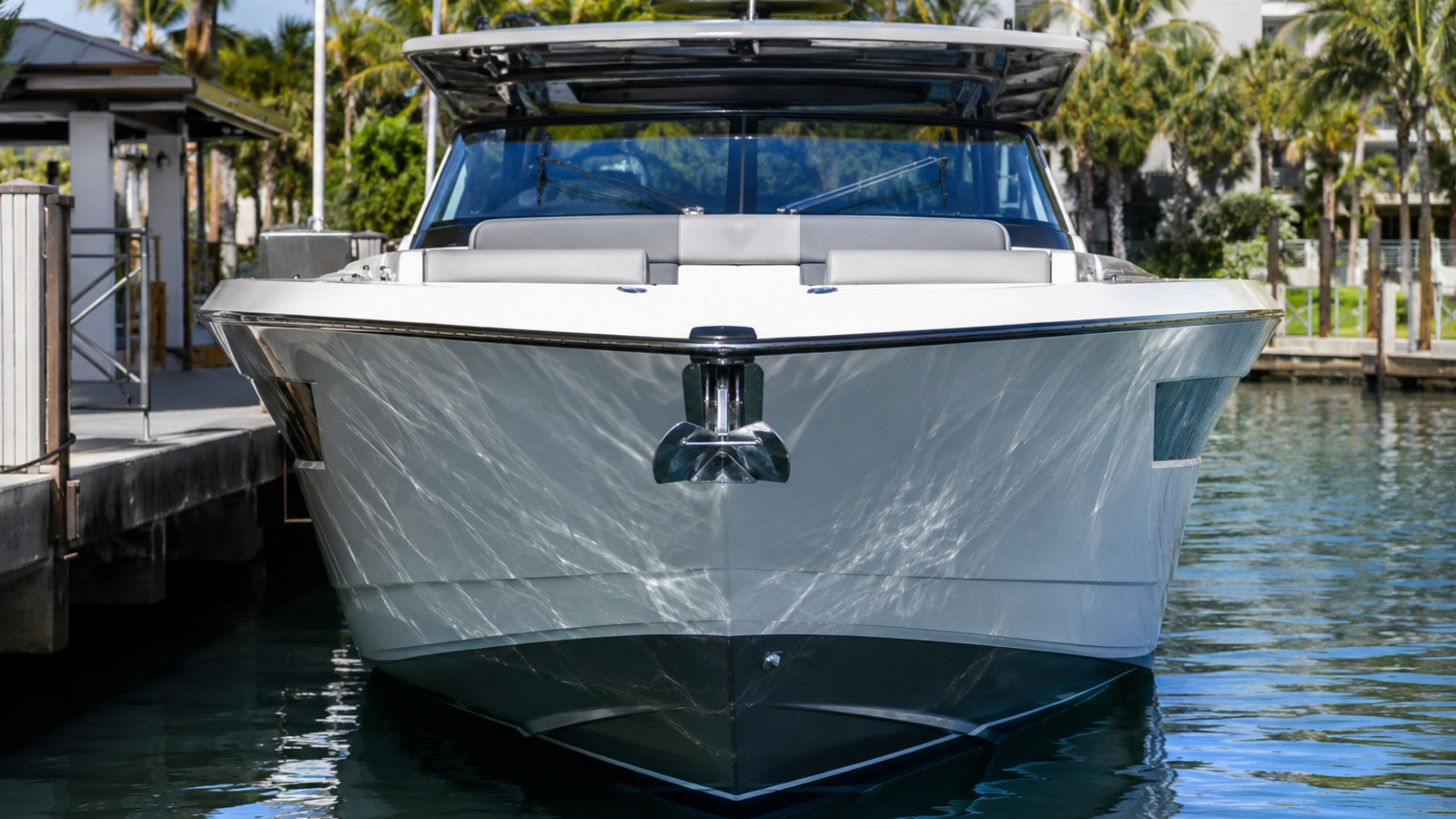
The 400 Super Sport Crossover measures 40′ 0″ hull / 42′ 6″ outboards down and carries a 12′ 0″ beam. When quad-outboard ownership is a priority, those figures should be compared with the actual slip, lift and travel route before the purchase agreement is final.
In a purchase centered on separate sleeping zones, boats wider than conventional trailer width should be treated as professional-transport or permit-planning projects. For owners focused on quad-outboard ownership, even when a trailer exists, that does not mean routine weekend towing is practical.
From a separate sleeping zones standpoint, lift capacity needs a loaded calculation. In a purchase centered on quad-outboard ownership, start with 23,740 lbs approximate, then add fuel, water, batteries, options, stored gear and any generator or stabilization equipment.
When separate sleeping zones is a priority, bunks need to clear steps, transducers, drives, outboards, trim tabs and platform hardware. From a quad-outboard ownership standpoint, a lift designed for another hull of similar length is not automatically correct.
400 SSC pricing should be segmented by exact quad-engine package, engine hours, Seakeeper if fitted, generator, Raymarine suite, cockpit air conditioning, SureShade, refrigeration, cabin condition and whether major factory options remain fully functional.
When quad-outboard ownership is a priority, the first adjustment should be propulsion. For owners focused on separate sleeping zones, engine brand, engine count, horsepower, hours, joystick hardware and documented service can represent a large share of the boat’s real value.
For owners focused on quad-outboard ownership, the second adjustment should follow the model’s mission. In a purchase centered on separate sleeping zones, fishing hardware, cabin equipment, coupe systems, generators, stabilizers, hardtops and premium electronics only deserve a premium when they function correctly.
Illustration only and not an offer of credit.
From a separate sleeping zones standpoint, keep room in the monthly ownership budget for the propulsion service, fuel, insurance, generator or climate systems and marina infrastructure required by this exact 400 Super Sport Crossover.
Illustration only and not an offer of credit. Your actual rate and term depend on credit profile, vessel age, loan amount and ownership structure.
The most useful alternative to the 400 Super Sport Crossover is 380 Super Sport Crossover or 430 Super Sport Crossover because it changes a major part of the platform rather than simply changing upholstery.
The 40-foot quad-outboard ssc that standardizes the large-crossover formula around a 12-foot beam, 400 gallons of fuel and a cabin with separate sleeping zones is the reason to stay with this model.
For owners focused on 400-gallon fuel system, choose the alternative when the buyer needs its different propulsion, cabin, fishing, beam or systems profile more than the 400 Super Sport Crossover’s specific strengths.
The separate sleeping zones side of this comparison should be experienced in person. In a purchase centered on 12-foot beam, the right model should make that activity easier without creating a storage or service burden that feels unreasonable.
In a purchase centered on 400-gallon fuel system, the final choice should be made before financing so the payment supports the right hull and propulsion package instead of locking the buyer into a compromise.
Start with the hull identification and exact model year. When separate sleeping zones is a priority, Formula updates propulsion menus, electronics, layouts and option packages over time, so a current web specification should not be pasted blindly onto an older used boat.
In a purchase centered on quad-outboard ownership, verify the basic dimensions: 40′ 0″ hull / 42′ 6″ outboards down, 12′ 0″ beam, 23,740 lbs approximate published weight, 400 gal fuel and the published propulsion reference of Current quad-outboard platform; Formula does not publish one single max on the current page.
From a quad-outboard ownership standpoint, inspect the hull before getting distracted by paint or cabin decor. For owners focused on separate sleeping zones, running-surface damage, transom repairs, hardtop stress or poor lift support can be far more expensive than worn upholstery.
When quad-outboard ownership is a priority, review every engine serial number and service record. In a purchase centered on separate sleeping zones, the larger Formula models are often multi-engine boats, so uneven hours or a recently replaced powerhead need to be understood.
A final Formula 400 Super Sport Crossover fit check should simulate quad-outboard ownership with the normal crew aboard. That means loading the equipment, bags, coolers or fishing gear that usually comes along and watching whether passenger circulation still works. Empty-showroom space is less useful than seeing how the boat behaves when its primary mission consumes the deck the way it will on a real weekend.
Resale on a Formula 400 Super Sport Crossover will depend heavily on preserving the systems behind 12-foot beam. Keep invoices for propulsion service, electronics work, plumbing, generator or fishing systems and any structural hardware. A later buyer can understand a well-kept boat quickly when the records explain why its equipment still deserves a premium over a cosmetically similar example.
Start your application with the actual Formula 400 Super Sport Crossover details with model year, propulsion, engine hours where available, seller type and asking price.
The strongest fit is buyers who want a serious open-bow cruiser with quad-outboard docking control, a coupe-protected helm and enough cabin separation for weekend use.
When quad-outboard ownership is a priority, formula publishes 40′ 0″ hull / 42′ 6″ outboards down of length, a 12′ 0″ beam and 23,740 lbs approximate approximate weight. For owners focused on 12-foot beam, those numbers should be checked against the actual slip, lift, route and storage plan because installed propulsion and options can make the delivered boat materially larger or heavier.
In a purchase centered on separate sleeping zones, the current power reference is Current quad-outboard platform; Formula does not publish one single max on the current page. The right choice depends on engine count, local service, loaded performance and the way separate sleeping zones changes fuel burn, stern access and future replacement cost.
From a 400-gallon fuel system standpoint, published fuel capacity is 400 gal. When quad-outboard ownership is a priority, range should come from observed cruise fuel flow with the normal crew and gear aboard, while preserving a reserve instead of converting tank size directly into a mileage promise.
Start with propulsion and the systems that define quad-outboard ownership, then move to hull structure, helm electronics, plumbing, climate or fishing equipment and storage history. For owners focused on 12-foot beam, deferred mechanical work can overwhelm a cosmetic discount quickly.
Choose the alternative when its different propulsion, beam, cabin or deck mission serves 12-foot beam better than this model’s strengths. In a purchase centered on separate sleeping zones, the right comparison should change a major ownership decision, not merely a color or upholstery package.
From a 400-gallon fuel system standpoint, use the published 12′ 0″ beam and 23,740 lbs approximate approximate weight only as the starting point. When quad-outboard ownership is a priority, fuel, water, batteries, engines, hardtop gear and stored equipment all belong in lift and transport calculations.
Potentially. For owners focused on 12-foot beam, model year, value, condition, seller type, transaction amount and borrower qualifications matter. In a purchase centered on separate sleeping zones, sending Float Finance the actual listing keeps the financing discussion tied to the exact propulsion and equipment being purchased.
Tell us a little bit about yourself and the boat you are looking to finance.