
A steel ship weighing thousands of tons can float effortlessly across the ocean while a small metal tool sinks almost instantly. That contrast seems impossible at first, which is why many people wonder how do boats float in the first place. The answer comes down to buoyancy, displacement, density, and the way boats are engineered to push water aside more efficiently than their total weight might suggest. Although floating may look simple from the surface, every boat relies on carefully balanced physics principles that allow it to remain stable and supported on the water.
From small fishing boats to massive cruise ships, every floating vessel follows the same scientific rules. Boat designers carefully shape hulls, distribute weight, and calculate water displacement to keep vessels stable under changing conditions. Once those principles are understood, it becomes much easier to see why even enormous ships can float safely while much smaller objects sink immediately.
The Science Behind Buoyancy
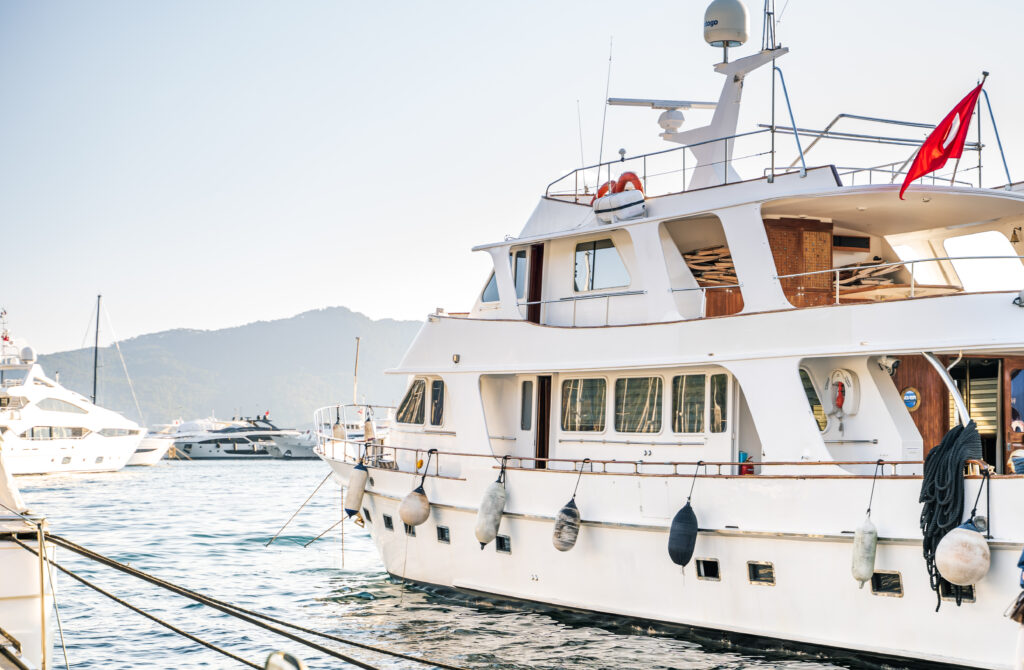
The primary reason boats float is buoyancy. Buoyancy is the upward force water exerts against an object placed inside it. This principle was famously explained by the Greek mathematician Archimedes more than two thousand years ago. According to Archimedes’ Principle, an object submerged in water experiences an upward force equal to the weight of the water displaced by that object.
When a boat enters the water, it pushes some water aside. That displaced water pushes back upward against the hull. If the upward buoyant force equals or exceeds the weight of the boat, the vessel floats. If the boat becomes heavier than the amount of water it can displace, it sinks. Every floating boat depends on maintaining this balance between weight and displaced water.
Why Steel Ships Float but Small Metal Objects Sink
One of the biggest reasons people question how do boats float is that many ships are built from steel, which is far denser than water. A steel hammer dropped into the ocean sinks immediately, yet a steel cargo ship weighing thousands of tons can remain afloat for decades. The difference comes from overall density and shape rather than the material alone.
A steel ship contains enormous hollow spaces filled with air inside the hull. Those air-filled spaces reduce the vessel’s average density below the density of water. The ship also spreads its weight across a massive surface area that displaces huge volumes of water. A small steel object lacks that displacement capability and sinks because it cannot move enough water to create a sufficient buoyant force.
Displacement Is the Key to Floating
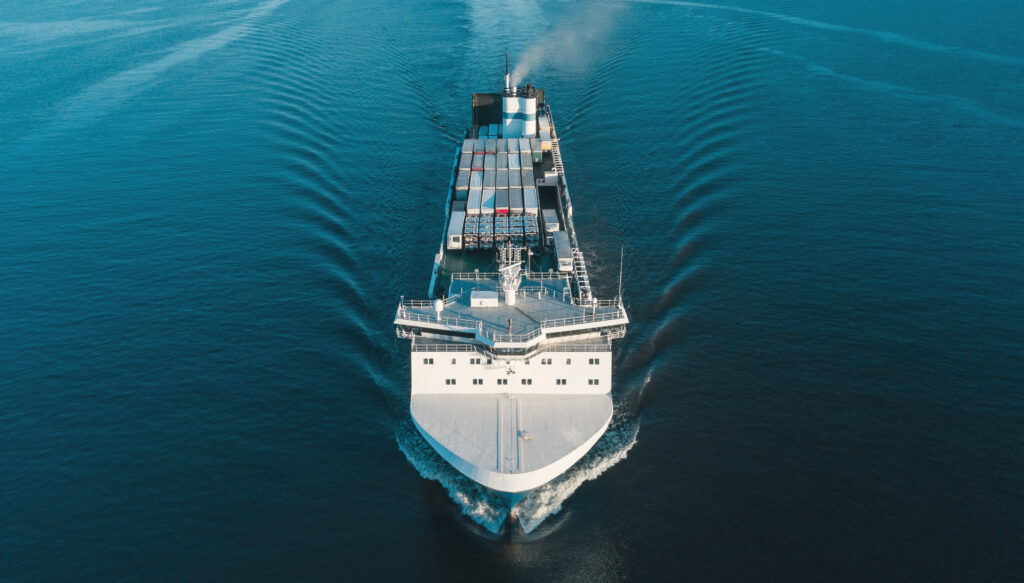
Displacement refers to the amount of water a boat pushes aside when sitting in the water. Larger boats displace more water because they occupy more space below the waterline. That additional displacement creates greater buoyant force, allowing heavier boats to remain afloat.
For example, a large cruise ship may displace tens of thousands of tons of water while carrying passengers, fuel, cargo, restaurants, pools, and entertainment systems onboard. As long as the weight of displaced water matches the ship’s total weight, the vessel continues floating safely. This same principle applies to every type of boat regardless of size.
How Hull Shape Affects Floating
The shape of a boat’s hull plays a major role in flotation, stability, and performance. Wide hulls distribute weight across a larger area and generally create more stability because they displace water more evenly. Fishing boats, pontoons, and cargo vessels often use wider hull designs because stability matters more than speed.
Narrower hulls displace water differently and move more efficiently through the water at higher speeds. Speedboats and racing vessels often use slimmer hull designs to reduce drag and improve performance. However, narrower boats may feel less stable in rough conditions compared to broader recreational or commercial vessels.
Boat designers carefully balance hull width, draft, and shape depending on how the vessel will be used. Stability, fuel efficiency, passenger comfort, and wave handling all influence final hull design.
The Importance of Density
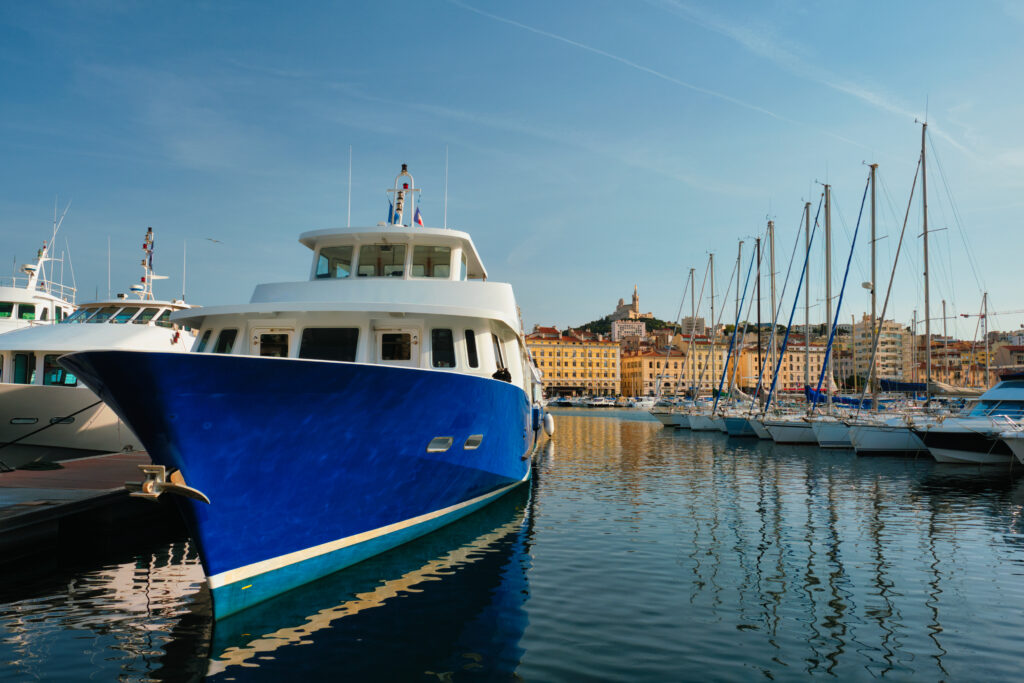
Density is another major factor explaining how do boats float. Density measures how much mass exists within a specific amount of space. Water has its own density, and objects with lower average density than water float more easily.
This is why wood naturally floats in many situations while solid metal often sinks. However, overall density matters more than material alone. A boat built from fiberglass, aluminum, or steel can still float if enough air space inside the hull lowers the vessel’s overall average density beneath the surrounding water.
Even heavily loaded cargo ships continue floating because their large hulls still displace enough water to support the vessel’s total weight. Once the weight exceeds safe displacement capacity, the boat begins sitting dangerously low in the water and may eventually sink.
Why Large Boats Stay Stable
Floating alone is not enough for safe boating. Boats must also remain stable while carrying passengers, cargo, fuel, and equipment. Stability depends heavily on weight distribution and center of gravity. Designers try to position heavy components such as engines, fuel tanks, and batteries as low as possible inside the hull. Lower weight placement improves balance and reduces the chance of tipping.
Large vessels also rely on wide hulls and ballast systems to remain stable in rough water. Cruise ships and commercial cargo vessels use sophisticated engineering systems that help balance the vessel during storms, waves, and changing cargo loads. Without proper stability design, boats could roll excessively or capsize despite technically remaining buoyant.
Freshwater vs Saltwater Floating Differences
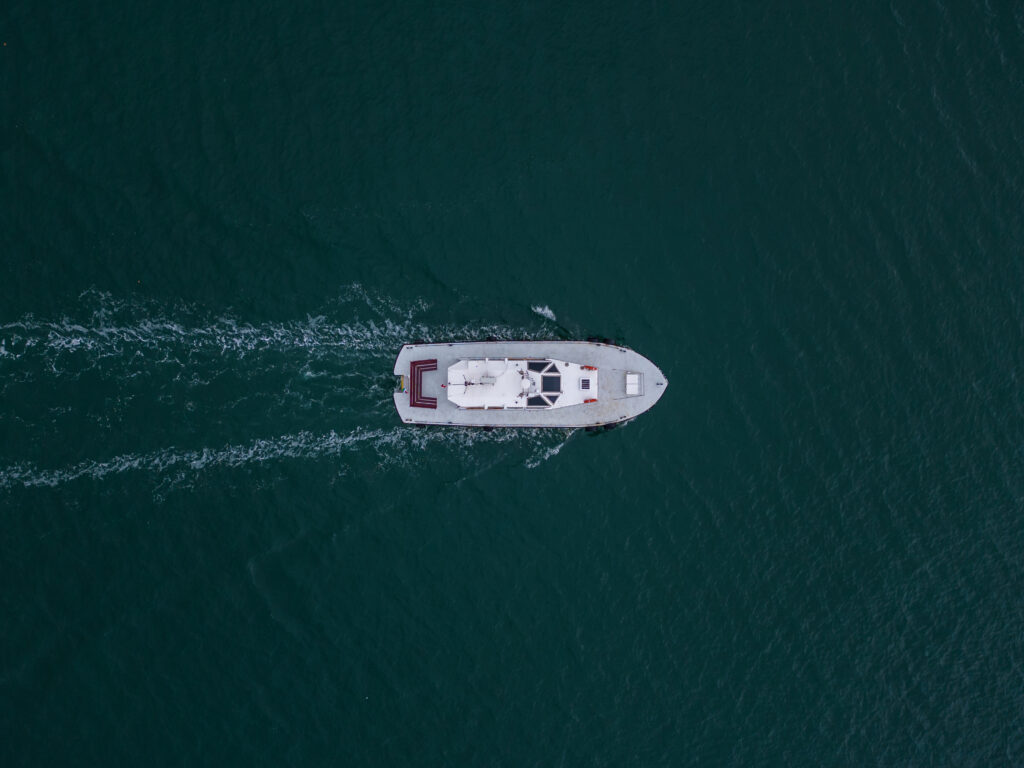
Boats float slightly differently in saltwater compared to freshwater because saltwater is denser. Denser water creates greater buoyant force, allowing boats to sit slightly higher in the water. This is why some vessels appear to float differently when moving between lakes and the ocean.
The difference is usually small for recreational boats, but commercial vessels and submarines account for these density variations carefully during operations. Water temperature also affects density slightly because colder water is denser than warmer water. However, temperature changes generally have much smaller effects than salinity differences.
What Happens When a Boat Takes on Water?
Boats float because air inside the hull helps reduce overall density and maintain buoyancy. When water enters the hull through leaks, hull damage, or flooding, that balance begins changing quickly. Water replaces the trapped air spaces that normally help keep the vessel buoyant.
As more water enters, the boat becomes heavier while displacing less supportive air volume. Eventually the vessel may lose enough buoyancy to sink below the waterline. This is why bilge pumps, watertight compartments, and hull maintenance are extremely important for boating safety.
How Weight Distribution Affects Floating
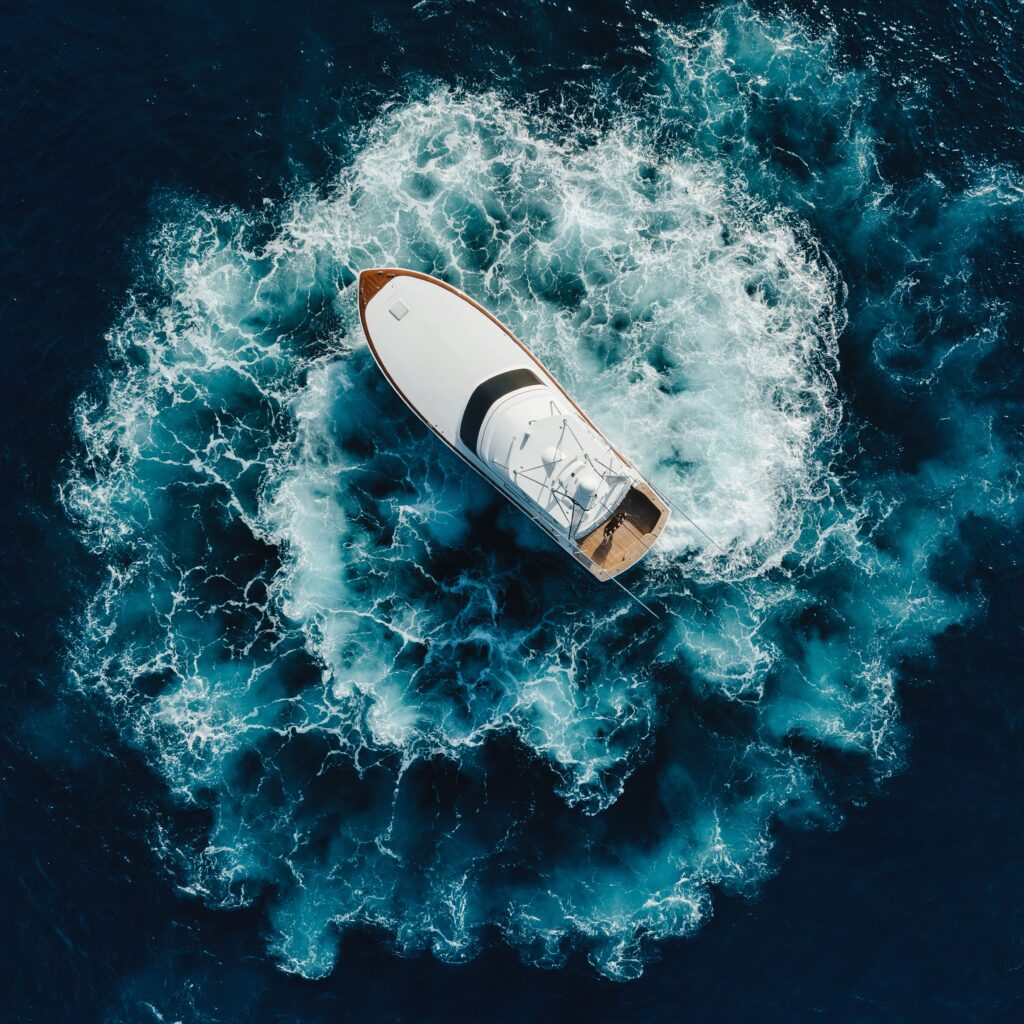
Weight distribution matters just as much as total weight. Even boats operating below maximum capacity can become unstable if cargo or passengers are distributed unevenly. Too much weight near one side may cause listing, while excessive weight near the bow or stern can affect steering and wave handling.
Experienced boaters distribute passengers, coolers, fuel, and equipment carefully to maintain balance. Larger commercial vessels also calculate cargo positioning precisely because improper loading can compromise stability and safety during operation.
Can Boats Float Forever?
Although boats are designed to float for many years, buoyancy alone does not guarantee permanent operation. Corrosion, structural damage, poor maintenance, overloading, and weather exposure can all reduce a vessel’s ability to remain safe on the water. Hull cracks, weakened seals, damaged pumps, or neglected maintenance may eventually allow water intrusion that compromises flotation.
Regular inspections and proper maintenance help preserve both buoyancy and structural integrity over time. Many well-maintained boats remain operational for decades because owners actively protect hull condition, engines, and onboard systems.
The Engineering Behind Modern Boats
Modern boats combine physics principles with advanced engineering to maximize performance, safety, and comfort. Naval architects use computer modeling, hydrodynamic testing, and structural analysis to design hulls capable of handling specific water conditions and weight capacities. Commercial ships, yachts, ferries, and fishing boats all use different hull strategies depending on their intended purpose.
Engineers must consider buoyancy, drag, fuel efficiency, stability, cargo capacity, and wave resistance during the design process. Even small changes in hull shape can dramatically affect how efficiently a boat moves through the water or handles rough seas.
Learning More About Boat Ownership
Understanding how do boats float gives many people a greater appreciation for the engineering behind boating and marine travel. For individuals considering boat ownership, learning how vessels operate can also make maintenance, safety, and purchasing decisions easier over time. Boat buyers exploring financing options for recreational boating can review available lending programs through Float Finance boat financing. Additional educational boating resources are also available through the Discover Boating resource center, which guides both new and experienced boat owners.
Conclusion
So, how do boats float? Every floating vessel depends on buoyancy, displacement, density, and careful engineering that allows the boat to push aside enough water to support its weight safely. Hull design, weight distribution, stability systems, and water conditions all influence how well a boat performs on the water. From small fishing boats to enormous cruise ships, the same scientific principles apply regardless of size. Once those principles are understood, the ability of boats to float becomes far less mysterious and far more impressive as a remarkable combination of physics and engineering. Individuals preparing for boat ownership can also explore additional financing guidance and marine lending information directly through the official Float Finance website.