
There is no single official count of every yacht worldwide because registration systems, size definitions, and reporting standards vary between countries. However, current industry data indicates that more than 6,200 superyachts measuring at least 30 meters are actively operating around the world. When smaller motor yachts and sailing yachts are included, the total global yacht fleet reaches far into the tens of thousands.
So, how many yachts are there in the world? The answer depends on what qualifies as a yacht. Vessel length, recreational use, registration status, and the source collecting the data all influence the final estimate. Looking at these differences helps explain why yacht fleet totals can vary so widely between reports.
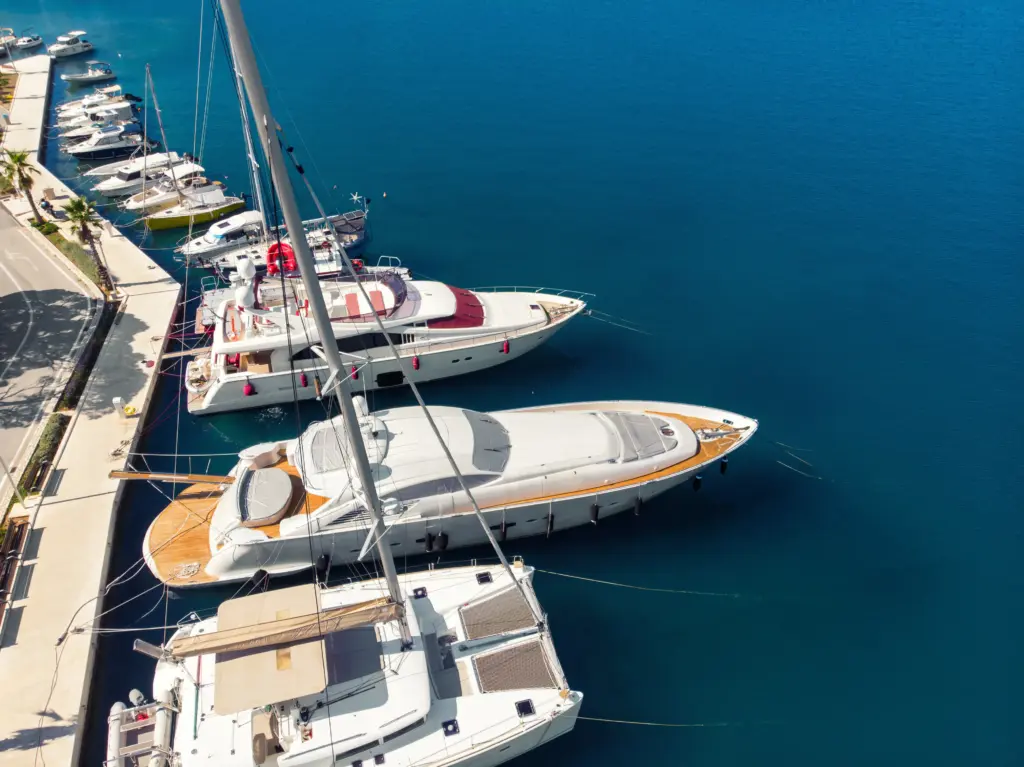
How Many Yachts Are There Worldwide?
More than 6,200 superyachts measuring at least 30 meters are currently operating worldwide. However, that figure covers only the largest segment of the market. Thousands of smaller sailing yachts and motor yachts also operate across North America, Europe, Asia, the Middle East, Australia, and other regions.
Because countries classify and register recreational vessels differently, no reliable database captures every yacht under one definition. The safest answer is that the worldwide yacht fleet numbers in the tens of thousands, while the professionally tracked superyacht fleet includes more than 6,200 active vessels.
What Counts as a Yacht?
The word yacht does not have one universal size definition. In general, it describes a recreational sailing or motor vessel intended for private use, cruising, or charter. Some people use the term for boats beginning around 30 or 40 feet, while professional market reports often define a superyacht as a vessel measuring at least 30 meters, or roughly 98 feet.
This distinction matters when estimating how many yachts are there in the world. A report that counts only yachts above 30 meters will produce a much smaller total than one that includes family cruisers, sailing yachts, and midsized motor yachts. For that reason, yacht statistics should always include the size category being measured.
These definitions matter because they influence how global numbers are counted, whether through registration databases, market research, or fleet statistics maintained by organizations like the Cruise Lines International Association (CLIA).
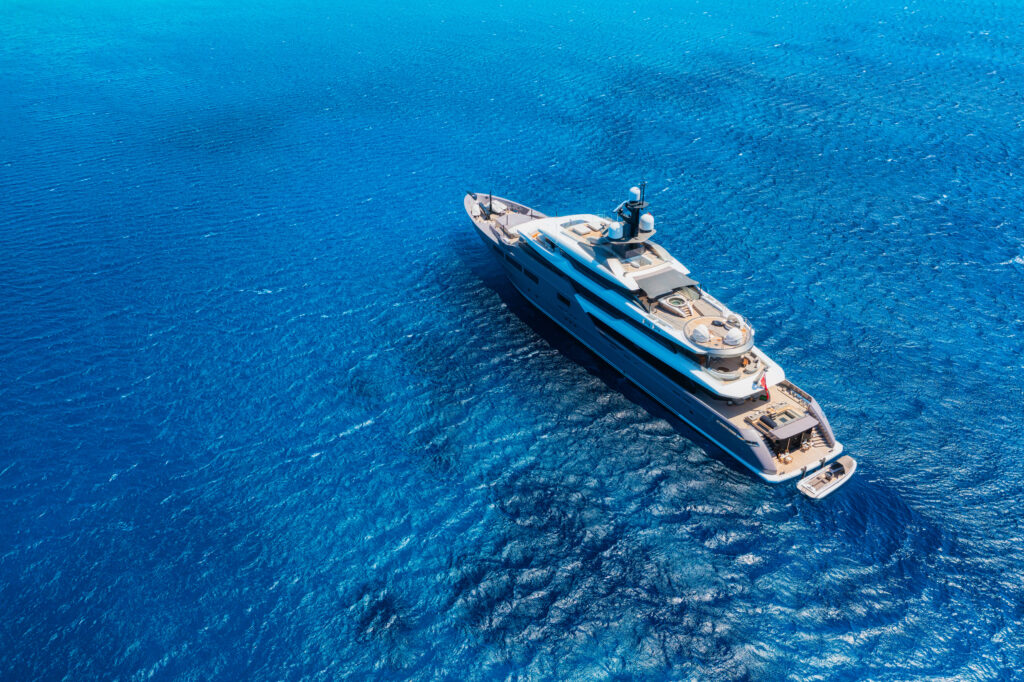
Global Yacht and Superyacht Fleet Estimates
Current industry reporting places the operating fleet of yachts measuring at least 30 meters at more than 6,200 vessels worldwide. That figure has grown considerably over the past decade as shipyards have delivered new motor yachts, sailing yachts, and explorer vessels to international buyers.
The total becomes much larger when smaller recreational yachts are included. Registration systems across major boating markets contain thousands of additional sailing and motor vessels below 30 meters. However, these boats are difficult to count globally because some appear in national documentation systems, others are registered at the state or regional level, and definitions differ between jurisdictions.
At the highest end of the market, yachts exceeding 100 meters remain rare. They receive considerable attention because of their size and amenities, but they represent only a small fraction of the worldwide yacht fleet.
Geographic Distribution of Yachts
Yacht ownership is concentrated in certain regions. Europe, particularly the Mediterranean, remains the most popular hub for both ownership and charter. North America, with strong markets in Florida, California, and the Northeast, is another center. The Caribbean serves as both a playground and winter destination for many yachts. Asia and the Middle East are emerging markets, with increasing orders for large yachts from new buyers. Geographic distribution provides another lens to understand how many yachts are there in the world, revealing both long-established centers and rapidly growing regions.
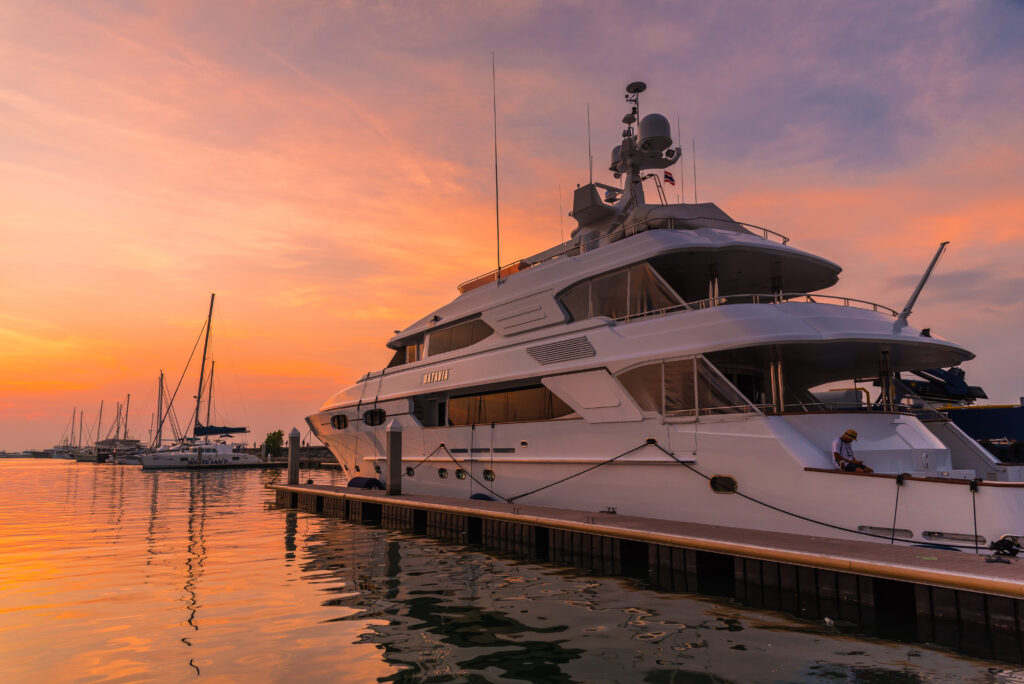
Trends in Yacht Ownership
Ownership trends influence global yacht counts. Over the past two decades, demand for superyachts has increased steadily, fueled by rising wealth in emerging markets. Charter operations have also expanded, making yachts accessible to clients who do not own them outright. Another trend is the rise of explorer yachts, designed for long-range cruising to remote destinations. These shifts affect not only how many yachts are there in the world but also what kinds of yachts are being built and purchased, reflecting evolving owner preferences.
Shipyards and New Construction
The number of yachts grows each year as new vessels are delivered from shipyards in Europe, North America, and Asia. Leading builders in Italy, the Netherlands, and Germany dominate the superyacht segment. Smaller yards worldwide contribute to sailing yachts and mid-sized motor yachts. While new deliveries increase the fleet, older yachts are sometimes retired or scrapped, meaning net growth is steady rather than exponential. When considering how many yachts are there in the world, newbuilds and retirements balance to create a gradually expanding global fleet.
Registration Databases and Statistics
Yacht numbers are tracked through national and international registration systems. In the United States, the U.S. Coast Guard maintains documentation for larger vessels, while state agencies track smaller registrations. Globally, maritime organizations and classification societies keep records of larger yachts that must comply with international safety and crewing standards. While no single database provides a definitive answer, combining these sources creates reliable estimates of how many yachts are there in the world.
Readers interested in current market statistics can review the Global Superyacht Market Report, which provides data on the operating fleet, yacht sales, ownership trends, new construction, and charter activity.
Why the Exact Number Is Difficult to Calculate
No single organization maintains a complete record of every yacht operating worldwide. Large vessels may appear in flag-state registries, classification society databases, brokerage reports, and commercial tracking systems. Smaller yachts may only appear in local or state registration records.
Another challenge involves vessels that change ownership, move between jurisdictions, enter long refits, or remain inactive for extended periods. Some databases count only operational yachts, while others include vessels under construction or listed for sale. These differences explain why estimates can vary even when each source uses reliable information.
Economic Impact of Yacht Ownership
The global yacht fleet supports a vast economic ecosystem. Shipyards, marinas, crew agencies, charter brokers, insurers, and financiers all depend on yacht activity. Each new vessel represents jobs for builders, designers, and captains, as well as ongoing expenses for fuel, maintenance, and upgrades. From this perspective, asking how many yachts are there in the world is also asking how significant the industry is that supports them. The answer is clear: the industry is robust, resilient, and growing steadily.
Charter Markets and Accessible Ownership
Not every yacht is privately owned. Many are operated in charter fleets, allowing owners to offset costs and clients to enjoy yachts without full ownership. This practice expands effective access to yachting and keeps vessels active. Companies offering charters often rely on financing structures similar to those used for fleets of smaller commercial vessels. Thus, the number of yachts in charter operations adds another dimension to the question of how many yachts are there in the world, as the industry includes both private and shared-use vessels.
Refits and Longevity of Yachts
Yachts have long lifespans, often exceeding several decades if properly maintained. Refits and upgrades extend their usability and keep older yachts competitive in the market. Boat owners often pursue boat financing to fund such projects, ensuring their vessels remain valuable assets. Longevity means that the fleet size is cumulative over time, as vessels remain in service for years, even as new ones are delivered. This contributes to the steady rise in how many yachts are there in the world.
How Financing Supports Yacht Ownership
Yacht ownership involves more than the initial purchase price. Buyers must also plan for insurance, maintenance, marina fees, crew costs, upgrades, and future refits. A well-structured financing plan can help qualified buyers preserve working capital while spreading the acquisition cost over an appropriate term.
Buyers considering a new or pre-owned vessel can explore available yacht financing options designed around the value, age, and intended use of the yacht.
A General Estimate of Global Yacht Numbers
So, how many yachts are there in the world? Current estimates suggest tens of thousands, depending on definitions. Around 10,000 superyachts over 80 feet are operational, with thousands more mid-sized sailing and motor yachts between 30 and 80 feet. When smaller recreational vessels are excluded, the global yacht fleet still represents a significant community of owners, crew, and industry professionals. These numbers highlight the scale of yachting as both a leisure activity and an economic force.
Conclusion
So, how many yachts are there in the world? No single database provides an exact total, but the global fleet clearly numbers in the tens of thousands when smaller sailing and motor yachts are included. Within the professionally tracked superyacht market, more than 6,200 vessels measuring at least 30 meters are currently operating worldwide.
The fleet continues to evolve as shipyards deliver new vessels, older yachts undergo refits, and charter markets introduce more people to yachting. Definitions and registration methods will continue to produce different estimates, but the available data confirms that yachting supports a large and active global industry. Buyers exploring yacht ownership, financial planning, and marine lending resources can learn more through the official Float Finance website.