
Passing a fishing boat may seem simple at first, but doing it incorrectly can create serious safety problems, damage expensive fishing equipment, or ruin someone’s time on the water. Many fishing boats operate differently from ordinary recreational vessels because they may be trolling slowly, drifting with the current, anchored in place, or managing fishing lines that extend well beyond the visible boat itself. That is why understanding how should you pass a fishing boat is an important part of responsible boating. Safe passing requires patience, reduced speed, clear awareness of surroundings, and respect for the people fishing nearby.
For experienced anglers, a single careless pass from another boater can tangle lines, scare away fish, or create dangerous wake conditions. For newer boaters, uncertainty about navigation rules can lead to confusion in crowded waterways. Learning proper passing etiquette not only helps avoid accidents but also improves the overall boating experience for everyone sharing the water.
Why Fishing Boats Require Special Attention
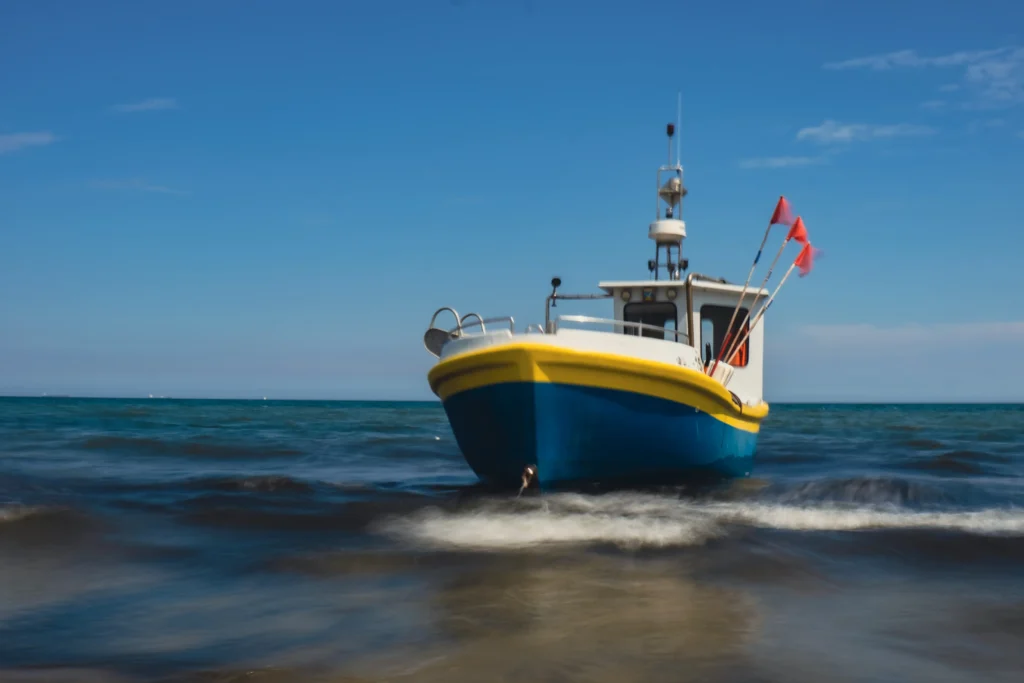
Fishing boats are often less maneuverable than ordinary recreational vessels because of the way they operate. Some may be anchored with multiple fishing lines in the water, while others move slowly using trolling motors to drag bait behind the vessel. Offshore fishing boats may deploy outriggers, downriggers, or nets that extend far beyond the hull itself.
Unlike boats cruising directly from one location to another, fishing vessels may suddenly change direction, drift with currents, or stop unexpectedly. Operators are also frequently focused on fishing activity rather than monitoring nearby traffic constantly. Because of these factors, passing too closely or too quickly can create dangerous situations very quickly.
Slow Down Before Passing
The most important rule when deciding how should you pass a fishing boat is to reduce your speed well before approaching. Excessive wake is one of the biggest problems caused by careless boaters. Large wakes can rock smaller fishing boats aggressively, knock passengers off balance, disrupt equipment, and even damage gear onboard.
Slowing to idle or no-wake speed shows courtesy while also improving safety for everyone nearby. Even if local laws do not specifically require reduced speed in the area, responsible boaters understand that minimizing wake near fishing vessels is simply good boating practice.
Maintain a Wide Passing Distance
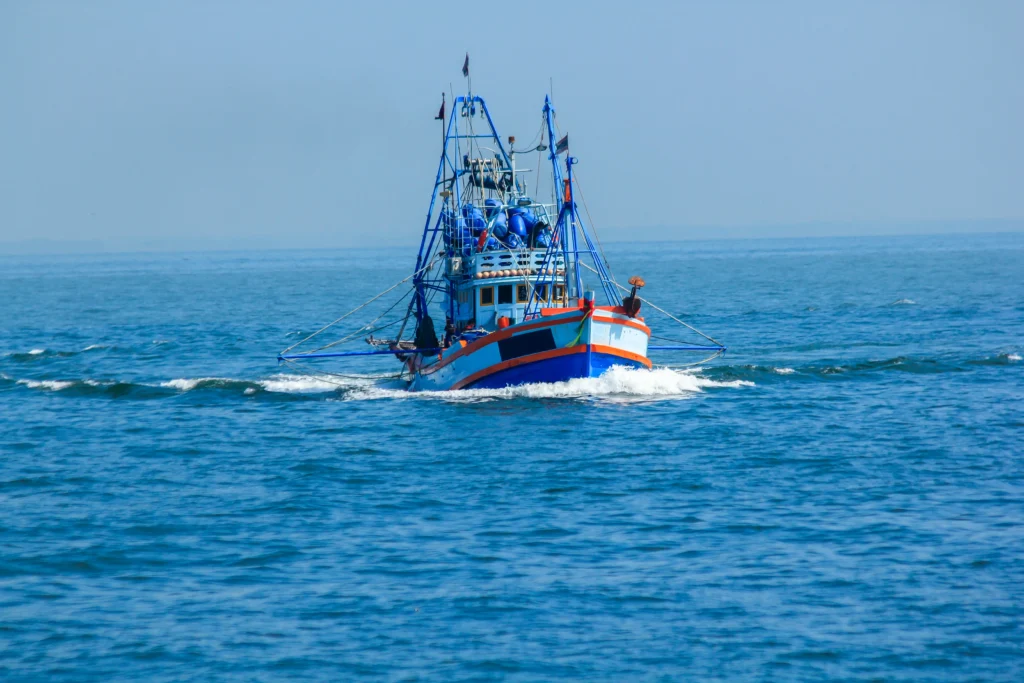
Passing too close is one of the most common mistakes inexperienced boaters make around fishing vessels. Fishing lines, nets, and trolling equipment may extend well beyond what is visible from a distance. Passing closely behind a trolling boat can easily result in tangled lines or damaged equipment.
Whenever possible, give fishing boats a wide berth and avoid squeezing through tight spaces unnecessarily. Open water almost always provides enough room to pass safely while respecting the fishing activity taking place. The more space you provide, the lower the chance of creating confusion or conflict on the water.
The Standard Port-to-Port Passing Rule
In most boating situations, vessels pass each other port-to-port, meaning the left side of your boat passes the left side of the other vessel. This creates a predictable traffic pattern similar to vehicles staying on the correct side of the road. Following this standard helps reduce confusion and lowers collision risk.
However, boating situations can change quickly depending on fishing gear, current, traffic congestion, or visibility. If the fishing boat’s port side appears blocked by equipment or fishing activity, it may be safer to pass on the opposite side. The key is making your movements predictable and avoiding sudden maneuvers near another vessel.
Passing Anchored Fishing Boats
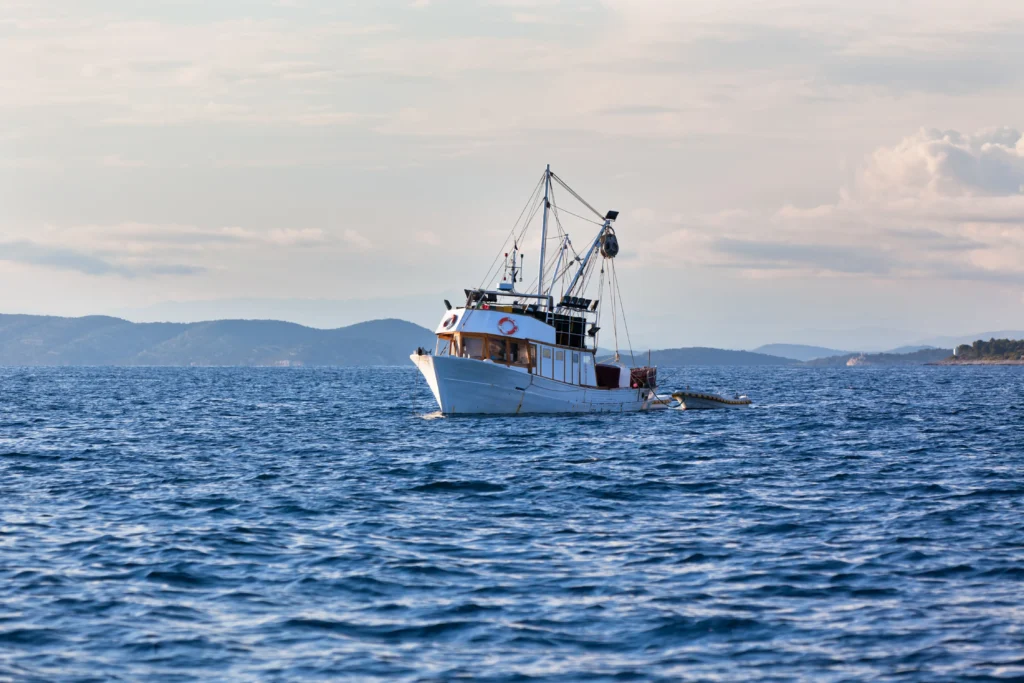
Anchored fishing boats are stationary, but they still require careful passing. Anglers often spread multiple lines around the boat, making close passes risky even if the vessel itself is not moving. The safest approach is to slow down early and pass far enough away that your wake barely affects the boat.
Many experienced anglers intentionally anchor in calmer areas where fish are less likely to be disturbed. Running close to an anchored fishing boat at high speed can ruin fishing conditions instantly and create unnecessary tension between boaters.
Passing Trolling Boats Safely
Trolling boats require extra caution because they often pull multiple fishing lines behind the vessel. Those lines may extend surprisingly far into the water, especially offshore where anglers target larger fish species. Passing directly behind a trolling boat is one of the worst mistakes a recreational boater can make.
If you must pass a trolling boat, move well to one side and maintain slow speed until you are safely clear of the fishing spread. Watch carefully for outriggers, floats, or visible lines in the water. Some offshore fishing setups may occupy far more space than the boat itself appears to require.
How Wake Affects Fishing Boats
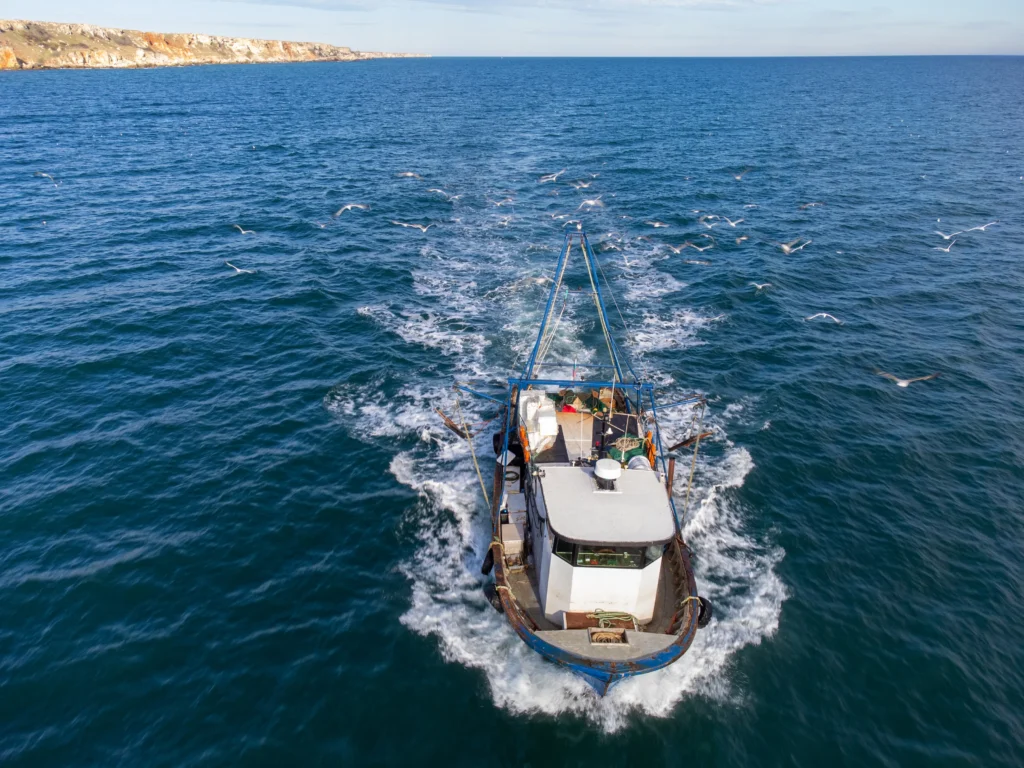
Boat wake affects fishing vessels differently than ordinary cruising boats. A strong wake can rock a fishing boat violently, causing anglers to lose balance or drop equipment. Smaller boats may also drift away from productive fishing areas because of excessive wave action.
Fish are sensitive to sudden disturbances as well. Loud engines and aggressive wake patterns may scare fish away from an area completely, especially in shallow water. That is why respectful boaters reduce speed long before reaching nearby anglers.
Understanding Navigation Rules Around Fishing Vessels
The U.S. Coast Guard Navigation Rules recognize certain fishing vessels as “restricted in their ability to maneuver” when actively fishing with gear that limits movement. This means recreational powerboats are generally expected to avoid interfering with their operation.
Fishing boats actively using nets, trawls, or long fishing lines often receive additional right-of-way protections under navigation rules. The U.S. Coast Guard Navigation Rules provide detailed guidance regarding vessel responsibilities and safe passing procedures for different boating situations.
Using Sound Signals and Communication
In busier waterways, sound signals help boaters communicate passing intentions more clearly. One short horn blast traditionally signals an intention to pass on the port side, while two short blasts indicate a starboard-side pass. Although many recreational boaters rely more on visual awareness today, these signals remain useful in crowded or confusing situations.
VHF radios may also help clarify intentions offshore or in commercial traffic areas. Clear communication becomes especially important when visibility is reduced or multiple vessels are operating nearby.
Common Mistakes Boaters Make Around Fishing Boats
One of the most common mistakes boaters make is assuming fishing boats can maneuver quickly to avoid traffic. In reality, fishing lines, trolling gear, anchors, and drifting conditions often limit how quickly these boats can respond.
Another common mistake is crossing directly behind a trolling boat without considering trailing lines. Excessive speed, loud music, and unnecessary wake also create problems around fishing vessels. Some boaters focus only on avoiding collisions while forgetting that respectful boating also involves minimizing disruption to others enjoying the water.
When It Is Better to Wait
Sometimes the safest choice is delaying your pass entirely. If a fishing boat is surrounded by gear, operating in a narrow channel, or moving unpredictably because of current or weather conditions, slowing down and waiting may be the smartest option.
Fog, glare, rough water, and heavy traffic all increase collision risk near fishing boats. Patient boaters understand that waiting an extra minute is always better than forcing a dangerous pass.
Boating Courtesy Matters
Understanding how should you pass a fishing boat is not only about rules and regulations. It also reflects overall boating courtesy and respect for others using the water. Experienced boaters often recognize each other through small acts of consideration such as slowing down, waving, signaling clearly, or giving extra room during a pass.
Good etiquette helps reduce conflict, improve safety, and create a more enjoyable atmosphere for everyone sharing lakes, rivers, and coastal waterways. Water conditions can already be unpredictable enough without careless behavior making situations worse.
Responsible Boat Ownership and Safety
Responsible boating involves more than simply operating a vessel because safe navigation, awareness, and courtesy all play major roles in protecting everyone on the water. Buyers exploring recreational boating and fishing ownership can review financing options through Float Finance boat financing solutions designed for marine purchases and long-term ownership planning.
Conclusion
So, how should you pass a fishing boat? The safest approach is to slow down early, reduce your wake, maintain generous distance, and remain aware of fishing lines or gear that may extend beyond the visible boat. Fishing vessels often have limited maneuverability and require extra courtesy from nearby boaters to operate safely and effectively. Whether the boat is trolling, drifting, or anchored, patience and predictable movement help avoid accidents and unnecessary conflict on the water. Respectful boating not only protects people and equipment but also helps preserve the enjoyable atmosphere that makes boating and fishing rewarding experiences for everyone involved. Additional marine financing guidance and boating ownership resources are also available directly through the official Float Finance website.