
Every boat, from a small fishing vessel to a luxury yacht, relies on one critical component that determines how it floats, handles rough water, and performs on the water: the hull. Many new boaters hear the term regularly but may not fully understand its importance. So, what is hull of a boat? Simply put, it is the watertight body of the vessel that provides buoyancy, stability, and structural support. The design of the hull affects everything from fuel efficiency and ride comfort to safety and overall performance, making it one of the most important parts of any boat.
Whether you are shopping for your first boat or simply learning more about marine design, understanding hull construction can help you make better ownership decisions. Different hull shapes and materials are designed for different boating activities, which is why knowing how hulls work can be valuable for every boater.

The Basic Function of a Boat Hull
At its most essential level, what is hull of a boat? It’s the structure that keeps the boat afloat. By displacing water and creating lift, the hull supports the vessel’s weight and allows it to stay above the surface. The shape of the hull plays a significant role in how a boat performs. Whether you’re dealing with calm lakes, open seas, or narrow rivers, the hull is designed to handle specific water conditions and activities.
Different Types of Hulls and Their Purposes
To fully grasp what is hull of a boat, it’s helpful to learn about the different types:
- Flat-bottom hulls: Ideal for shallow waters and high stability at rest. Common in jon boats.
- V-hulls: Known for smooth rides in choppy waters, often found in speedboats and sport fishing boats.
- Catamaran hulls: Feature dual hulls for stability and efficiency, often used in sailing or commercial boats.
- Round-bottom hulls: Provide smoother movement through water, typically found in sailboats and canoes.
- Modified-V hulls: A versatile option that balances speed, handling, and comfort.
Each type influences handling, fuel efficiency, draft, and ride comfort.

Hull Materials: What Boats Are Made Of
Another key element in what is hull of a boat involves construction materials. Hulls are commonly built from:
- Fiberglass: Durable, low-maintenance, and common in recreational boats.
- Aluminum: Lightweight and resistant to corrosion, often used in fishing and utility boats.
- Wood: Classic and beautiful, though high maintenance.
- Steel: Strong and used for large commercial vessels.
- Composite materials: Combine fiberglass with carbon fiber or Kevlar for high performance.
Each material affects the boat’s weight, strength, repairability, and cost.
Hull Design and Stability
When considering what is hull of a boat, stability is one of the most important aspects. Hull width (beam), shape, and draft influence how steady the boat remains in various conditions. For example, wider hulls and flatter bottoms offer better lateral stability at rest, while deeper V-hulls improve performance at speed and in rough water.
How Hull Shape Affects Performance
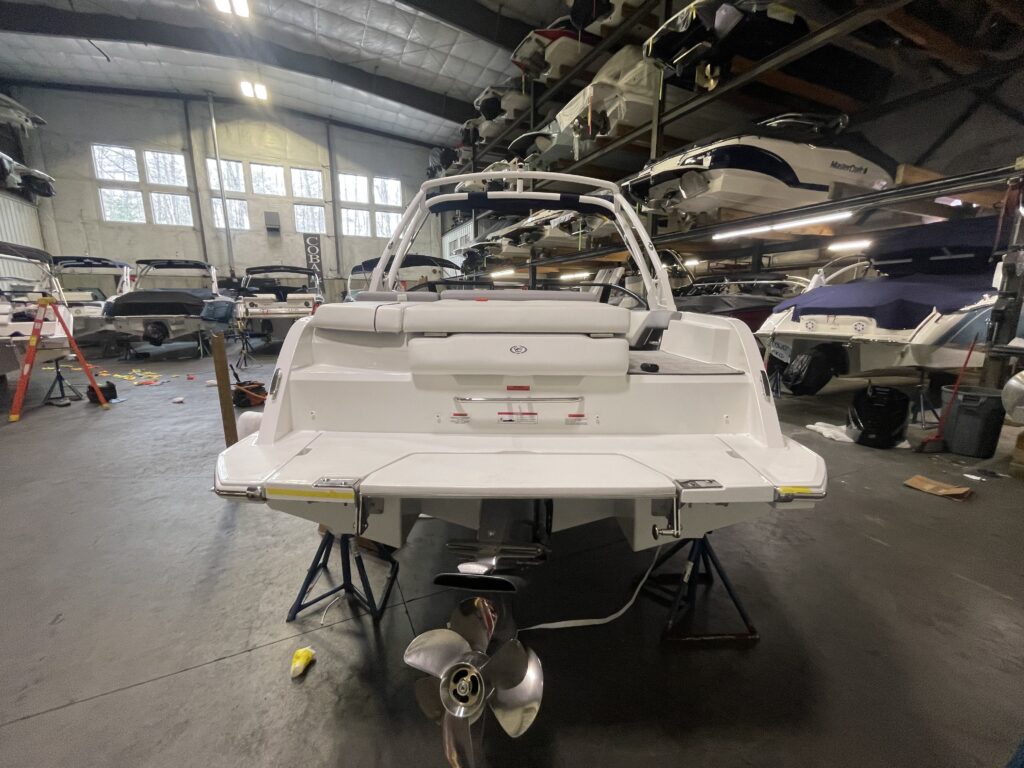
Beyond stability, hull shape has a major impact on how a boat performs in different conditions. A deep-V hull typically provides a smoother ride in rough water because it cuts through waves more effectively. Flat-bottom hulls are usually more stable when stationary but may produce a rougher ride when water conditions become choppy. Hull shape also influences fuel efficiency, turning ability, speed, and passenger comfort. Choosing the right hull depends largely on where and how the boat will be used. Understanding these performance differences helps buyers select a vessel that matches their boating needs and expectations.
Planing vs. Displacement Hulls
What is hull of a boat in terms of movement? There are two primary hull styles:
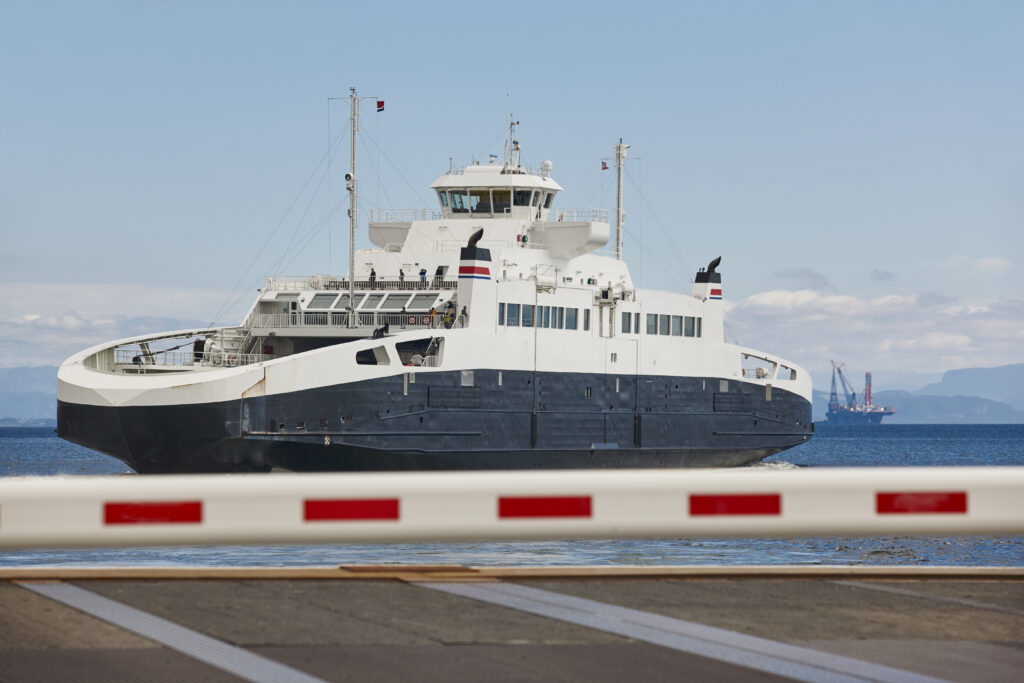
- Displacement hulls push water aside as they move. Found in slower, stable boats like sailboats and trawlers.
- Planing hulls rise out of the water at speed, reducing drag and increasing performance. Common in speedboats and some fishing boats.
Knowing which hull type your boat has helps you understand how it should be handled.
Hull Maintenance and Inspection
Owning a boat means staying on top of hull care. A key part of knowing what is hull of a boat is understanding how to maintain it. Regular cleaning, inspections for cracks or blistering, and attention to the hull’s underside are critical. For fiberglass hulls, gelcoat upkeep is essential. Aluminum hulls should be checked for dents and galvanic corrosion. Keeping the hull in good condition extends the boat’s life and preserves performance.

Hull Identification Number (HIN)
Another dimension of what is hull of a boat is the Hull Identification Number, or HIN. This unique serial number is usually found on the transom and functions like a boat’s VIN. The HIN reveals information such as manufacturer, production date, and model year—vital for registration, resale, or warranty claims.
Hull Integrity and Safety
Hull integrity is non-negotiable for safety. Cracks, soft spots, or water intrusion can compromise a boat’s buoyancy. What is hull of a boat without strong construction and regular inspection? It’s a risk. Always verify hull soundness before every outing, especially after grounding or rough conditions. A reliable hull is your first line of defense on the water.
Hull and Performance Upgrades
Some boaters seek to enhance their hull’s performance through upgrades like trim tabs, anti-fouling coatings, or hull extensions. Understanding what is hull of a boat allows you to assess whether these improvements align with your boating goals. Such modifications can increase fuel efficiency, improve speed, or reduce hull slap for quieter rides. Boaters interested in learning more about vessel design, safety, and ownership can explore additional educational resources through the Discover Boating resource center, which provides information on various boat types, maintenance practices, and boating fundamentals.
Conclusion
So, what is hull of a boat? It is the structural foundation that allows a vessel to float, remain stable, and perform safely on the water. Hull design influences everything from speed and fuel efficiency to ride comfort and handling characteristics. Different hull shapes and materials serve different purposes, making it important for boat buyers and owners to understand how hull construction affects overall performance.
Whether you are comparing fishing boats, pontoons, cruisers, or yachts, evaluating the hull should be one of the most important parts of the decision-making process. Buyers exploring boat ownership and boat financing options can also learn more through the official Float Finance website.