
The beam of a boat is the widest point of the vessel measured from one side of the hull to the other, and it has a major influence on stability, handling, passenger comfort, storage space, and overall performance on the water. While that definition sounds simple, understanding what is the beam of a boat reveals why experienced boaters pay close attention to this measurement before buying or financing a vessel. A wider beam can make a boat feel more stable and spacious, while a narrower beam often improves speed and maneuverability. The balance between those characteristics affects everything from fuel efficiency to ride comfort, which is why beam is considered one of the most important dimensions in boat design.

Defining the Beam of a Boat
When discussing what is the beam of a boat, the term refers specifically to the maximum width of the hull at its broadest point. Manufacturers usually include the beam measurement within the boat’s technical specifications alongside length, draft, dry weight, and fuel capacity. Beam is measured horizontally from the port side to the starboard side of the vessel. This measurement may seem basic, but it has a direct effect on how the boat behaves on the water and how practical it is for storage and transportation. Boats with similar lengths can feel completely different depending on their beam width because the beam affects balance, deck space, and hull performance. Many first-time buyers focus mainly on boat length, but experienced owners understand that beam often has just as much impact on real-world usability.
Why Beam Matters in Boat Design
Knowing what is the beam of a boat becomes more important when looking at how manufacturers design different types of vessels. Beam width affects stability, passenger capacity, ride quality, and interior room. Wider boats generally create a steadier platform on the water, which is especially useful for fishing boats, pontoons, and family cruisers where passengers move around frequently. Narrower boats, on the other hand, are commonly designed for speed and sharper handling because they create less drag while moving through the water. Designers carefully balance beam dimensions depending on the intended purpose of the boat. A fishing boat built for stability in rough water will usually have a much wider beam than a lightweight performance boat built primarily for speed. This design balance helps explain why boats with similar lengths can perform very differently once they reach open water.

Beam-to-Length Ratio Explained
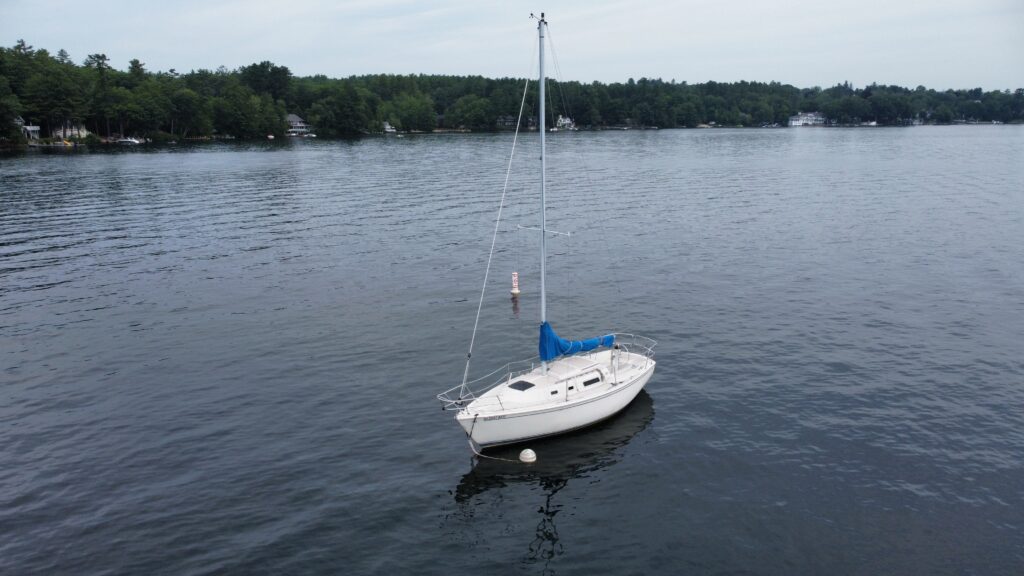
Another important part of understanding what is the beam of a boat involves the beam-to-length ratio. This ratio compares the width of the boat to its overall length and gives insight into the vessel’s performance characteristics. Boats with a higher beam-to-length ratio are usually wider and offer greater stability, more interior space, and improved comfort for recreational activities. These boats are often ideal for fishing, cruising, or entertaining passengers. Boats with a lower beam-to-length ratio are usually slimmer and more streamlined, which allows them to move faster and cut through the water more efficiently. Sailboats designed for racing often use narrower beams to improve speed and hydrodynamics, while cruising sailboats may prioritize wider beams to improve onboard comfort and storage. Choosing the right beam-to-length ratio depends heavily on how the vessel will actually be used on the water.
How Beam Affects Stability
One of the biggest reasons people ask what is the beam of a boat is because beam width directly affects stability. A wider beam spreads weight across a larger area, reducing side-to-side rocking and helping the boat remain balanced in changing water conditions. This added stability becomes especially noticeable during fishing trips, rough water navigation, or when passengers move around the deck. Catamarans are a strong example of how beam impacts stability because their extremely wide beam design creates a remarkably stable platform even in choppy conditions. Narrow beam boats can feel more responsive and agile, but they may also feel less steady when waves become rough or when passengers gather on one side of the vessel. Stability is one of the most important factors influencing passenger comfort, which is why beam width is often a major selling point for recreational family boats.
Interior Space and Passenger Comfort
Beam width also plays a major role in determining how spacious and comfortable a boat feels once passengers step onboard. A wider beam allows manufacturers to design larger seating areas, wider walkways, bigger cabins, and additional storage compartments. Families and recreational boaters often prefer wider beam boats because they provide more room to relax, entertain guests, and move around comfortably during long days on the water. Boats designed for overnight trips may use wider beams to create larger sleeping quarters and more functional kitchens or bathrooms below deck. Understanding what is the beam of a boat helps buyers visualize how the boat will actually feel during real use rather than simply relying on length specifications alone. Two boats with identical lengths may offer very different interior experiences depending on their beam width.
Beam and Transportation Considerations
Transportation and storage become more complicated as beam width increases, which is another reason buyers research what is the beam of a boat before making a purchase. In many states, trailerable boats must remain below certain width limits to avoid requiring oversized load permits during road transportation. In the United States, boats wider than 8 feet 6 inches often require special permits or transportation arrangements. Marina slips and dry storage facilities also have beam limitations that determine whether a vessel will fit properly within the available space. Buyers who overlook beam dimensions sometimes discover later that transportation costs, storage fees, or docking limitations are much higher than expected. Understanding beam measurements ahead of time helps owners avoid these problems and ensures the boat fits both their boating lifestyle and practical transportation needs.

Beam in Different Types of Boats
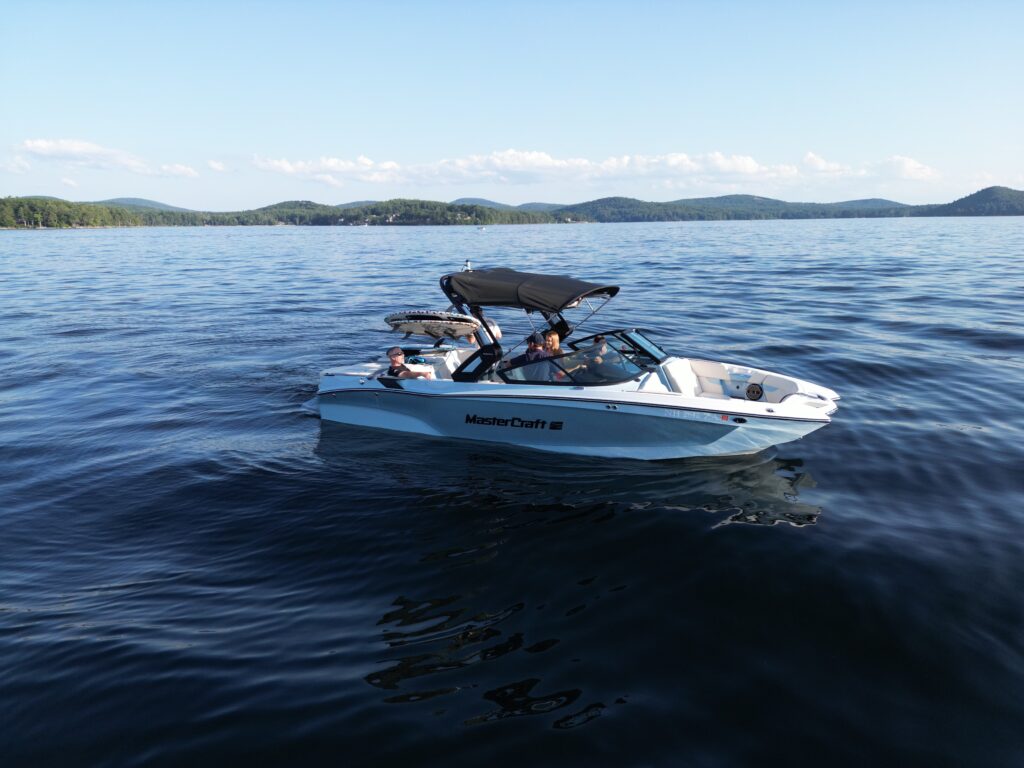
Different boat categories use beam width differently depending on their intended purpose. Fishing boats often feature wide beams because anglers benefit from a stable platform while casting or moving around the deck. Pontoon boats also use extremely wide beams to maximize passenger seating and onboard comfort. Sailboats vary considerably because racing sailboats may use narrow beams for speed, while cruising sailboats often prioritize wider beams for comfort and storage. Speedboats typically feature slimmer hulls with narrower beams to reduce drag and improve acceleration. Offshore cruisers usually balance moderate beam widths with deeper hull designs to provide both comfort and seaworthiness in rough conditions. Understanding what is the beam of a boat within the context of the boat type helps buyers make more informed comparisons when shopping for different vessels.
Modern Innovations in Beam Design
Modern marine engineering has introduced several innovations that continue to change how designers approach beam width. Some advanced vessels now use variable beam systems that allow portions of the hull to expand or retract depending on operating conditions. Designers also use advanced hull materials and computer modeling to improve stability without dramatically increasing the overall beam. Catamaran popularity has grown significantly because their dual-hull configuration creates exceptional beam width and stability while maintaining strong fuel efficiency. These innovations demonstrate that understanding what is the beam of a boat involves more than simply measuring width. Beam design continues evolving as manufacturers search for better combinations of comfort, efficiency, stability, and performance.
Beam and Safety on the Water
Safety is another major reason why beam matters in boating. Wider boats generally offer greater lateral stability, which reduces the likelihood of tipping or capsizing in rough water conditions. This becomes particularly important when carrying heavy equipment, navigating large waves, or operating offshore. Beam also affects how passengers move safely around the deck because wider layouts create more walking space and improve balance. However, the beam alone does not determine safety because hull shape, weight distribution, and boat design all contribute to seaworthiness. Understanding what is the beam of a boat helps buyers evaluate how stable and secure a vessel may feel in different weather and water conditions. Many experienced boaters carefully consider beam width before purchasing a vessel intended for family trips or offshore use.
Choosing the Right Boat for Your Needs
Selecting the right beam depends heavily on the activities you plan to enjoy on the water. Anglers often prefer wider beam boats because they provide greater stability and more fishing space. Families interested in cruising or watersports may also prioritize wider beams for passenger comfort and seating capacity. Boaters focused primarily on speed or performance driving may prefer narrower designs that improve acceleration and maneuverability. Learning what is the beam of a boat allows buyers to move beyond simple appearance and understand how a vessel will actually perform during real-world use. Beam influences nearly every part of the boating experience, from comfort and storage to fuel efficiency and handling. Additional boating terminology and educational resources can be explored through the Discover Boating glossary of boating terms, which explains many of the measurements and design features commonly used in the boating industry.

Conclusion
The beam of a boat is far more than just a width measurement because it directly affects stability, handling, storage space, passenger comfort, fuel efficiency, transportation, and overall boating safety. Understanding what is the beam of a boat helps buyers compare different vessels more accurately and choose a design that matches their lifestyle and boating goals. Wider beams generally provide greater stability and more interior room, while narrower beams may improve speed and maneuverability. Every boat design involves balancing these characteristics to suit specific activities on the water.
Whether you are shopping for a fishing boat, cruiser, pontoon, or performance vessel, understanding beam measurements can help you make a more informed decision before investing in ownership. If you are preparing to purchase a boat and want flexible financing options to make ownership more manageable, Float Finance provides financing solutions designed to help buyers move confidently toward their next boating adventure.