
Boat operators are required to assist whenever they encounter a person or vessel in distress and can provide help without placing their own passengers or vessel in danger. This responsibility is more than a boating courtesy. It is a legal obligation recognized under maritime law and supported by the U.S. Coast Guard. While many boaters understand the importance of helping others on the water, fewer know exactly when that duty applies and what actions are expected during an emergency.
From disabled vessels and medical emergencies to distress calls and rescue coordination, knowing when assistance is required can help protect lives and ensure compliance with boating regulations. Understanding these responsibilities before an emergency occurs allows operators to respond quickly, safely, and confidently when every second matters.
The Legal Foundation for Assistance
Under both U.S. and international maritime law, the duty to render assistance is clear. The U.S. Code (Title 46, Section 2304) states that any vessel’s master or operator who can safely do so must provide help to individuals in danger at sea. This means that when asking when is a boat operator required to assist, the law already provides the answer: assistance is mandatory whenever possible without unreasonable risk. Ignoring this duty can lead to fines, penalties, and in extreme cases, criminal charges if negligence contributes to loss of life.
Situations That Require Assistance
Boat operators are required to assist in several types of emergencies: when another vessel has lost power, is sinking, on fire, or has injured persons onboard. The most common cases involve distress signals, visible damage, or radio requests for help. According to the U.S. Coast Guard Boating Safety Division, assistance also includes responding to persons overboard, stranded vessels, or debris that poses danger to navigation. Even small acts—such as relaying a distress call—can fulfill a captain’s duty.
When Assistance May Be Withheld
While assistance is a legal duty, operators are not expected to act recklessly. The law allows exceptions when helping would place your own passengers or vessel in unreasonable danger. For example, if a vessel is on fire and releasing toxic fumes, it may be safer to stay clear and alert authorities instead of approaching directly. The guiding principle is simple: do everything you can safely do. When is a boat operator required to assist? Whenever help can be rendered without putting your own crew at serious risk.

Good Samaritan Protection for Boaters
Many operators worry about liability when providing help, but federal maritime law includes Good Samaritan provisions. These laws protect rescuers who act in good faith from being held responsible for unintended damages during a rescue, provided their actions are reasonable. The goal is to encourage assistance, not deter it. This reassurance helps more boaters take action quickly instead of hesitating in fear of legal consequences.
Recognizing Distress Signals
To know when assistance is required, boaters must recognize distress signals. Flares, orange smoke, continuous horn blasts, or waving arms are traditional indicators of distress. VHF radio calls on Channel 16 beginning with “Mayday” or “Pan-Pan” also signify emergencies. The National Association of State Boating Law Administrators (NASBLA) recommends that all operators keep communication devices operational and monitor Channel 16 whenever underway. Recognizing these signs quickly ensures timely and lawful response.
Communication and Coordination During Rescue
When assistance is required, communication becomes the most critical tool. Establish contact with the distressed vessel, confirm their location, and assess the situation. If direct assistance isn’t possible, report the coordinates immediately to the Coast Guard or local marine authorities. Use calm, clear language and repeat key details. Operators who understand how to coordinate during emergencies not only fulfill their legal duty but may also save lives by bridging the gap between victims and professional rescuers.
Practical Steps for Safe Assistance
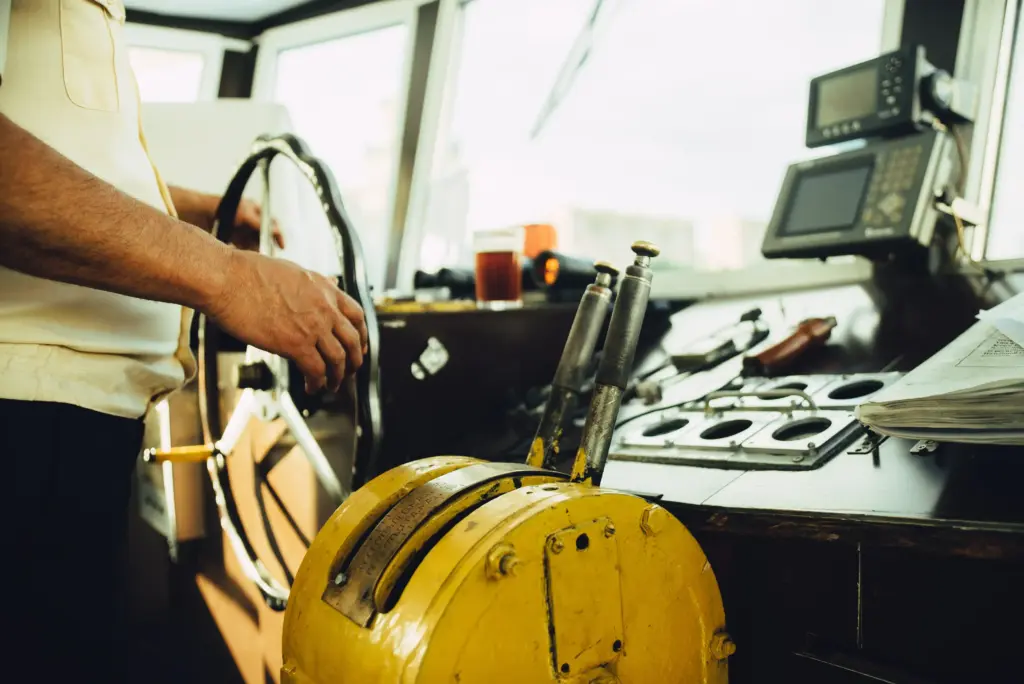
When determining how to help safely, follow a structured approach. First, slow your vessel and evaluate the sea state, wind direction, and proximity to hazards. Maintain a safe distance while assessing the other vessel’s condition. Offer life jackets or throw lines before attempting to tow. Always prioritize human safety over property. Understanding when is a boat operator required to assist also includes knowing how to assist correctly, avoiding collisions, entanglements, or capsizing while rendering aid.
Assisting With Medical Emergencies
Not all distress calls involve mechanical failures. Medical issues such as heat stroke, dehydration, or injuries are common on the water. In these cases, offering water, shade, and first aid supplies until professionals arrive can make a difference. Operators should maintain a stocked first aid kit and ensure someone onboard knows basic CPR. The Coast Guard recommends logging all actions taken during medical assistance for reference and accountability.
Ethical Responsibility on the Water
Boating culture values community. Even in the absence of direct distress signals, it is good seamanship to check on vessels drifting or operating erratically. Rendering aid reflects not just compliance but compassion. When is a boat operator required to assist becomes less a question of law and more one of shared humanity, helping others as you would hope to be helped. This culture of cooperation strengthens safety across all waterways.
Financial and Insurance Considerations
Assistance often involves time and sometimes minor fuel or repair costs. While most recreational boaters provide help freely, commercial operators and marinas may track rescue actions for insurance or reimbursement purposes. Maintaining documentation of any incident, including photographs and a written account, is good practice. For vessel owners financing through boat loan pre-approval or boat refinancing, understanding liability coverage is part of responsible ownership and can ensure that assisting others never becomes a financial burden.
Training and Preparedness
Formal safety training programs teach more than navigation, they emphasize rescue procedures. Courses approved by the U.S. Coast Guard and NASBLA prepare operators for real-world emergencies, from towing techniques to first aid at sea. Taking such courses not only builds confidence but ensures compliance with federal expectations for boaters. Preparedness turns legal obligation into second nature, so assistance can be offered swiftly and safely when needed.
What Happens If a Boater Fails to Assist?
Failing to assist a person or vessel in distress can have serious legal and ethical consequences. Under federal maritime law, boat operators who are capable of assisting and choose not to do so may face fines, penalties, or other enforcement actions. In situations where a failure to help contributes to injury or loss of life, the consequences can become even more severe.
Beyond legal liability, refusing to assist undermines the cooperative spirit that helps keep waterways safe for everyone. Boating often takes place in environments where emergency responders may not be immediately available, making the actions of nearby vessel operators especially important. Even if direct rescue is not possible, notifying the Coast Guard or relaying a distress call can fulfill an operator’s responsibility and help ensure that assistance reaches those in need.
Understanding when a boat operator is required to assist also means recognizing the importance of acting promptly. Delays in responding to emergencies can worsen a situation, while quick and responsible action may help prevent injuries, property damage, or loss of life. Responsible boaters understand that safety on the water depends on everyone doing their part when emergencies occur.
Conclusion
So, when is a boat operator required to assist? Whenever a person or vessel is in distress, assistance can be provided without creating danger to your own passengers or vessel. This obligation reflects both maritime law and the long-standing tradition of cooperation among boaters. Whether providing direct aid, relaying a distress call, or helping coordinate a rescue, responsible actions can make a critical difference during emergencies.
Safe boating involves more than operating a vessel properly. It also means being prepared to help others when situations demand it. Boaters looking to learn more about ownership, financing, and responsible boating practices can explore additional resources through the official Float Finance website.