
Long before roads, engines, or written language existed, humans were already searching for ways to cross rivers, fish coastal waters, and explore beyond the shoreline. That early curiosity eventually led to one of humanity’s oldest inventions: the boat. While historians cannot pinpoint the exact moment boats first appeared, archaeological discoveries suggest humans may have been building simple watercraft for thousands of years before recorded history even began. Asking when were boats invented opens the door to a fascinating story of survival, exploration, trade, and engineering that helped shape civilizations across the world.
Boats transformed human history by connecting distant communities, expanding trade routes, and allowing civilizations to travel far beyond their local environments. From hollowed tree trunks used by prehistoric people to advanced modern ships crossing oceans today, the evolution of boats reflects humanity’s constant desire to move, discover, and adapt. Understanding when were boats invented also reveals how important water travel became in building economies, cultures, and global communication throughout history.
The Earliest Known Boats in Human History
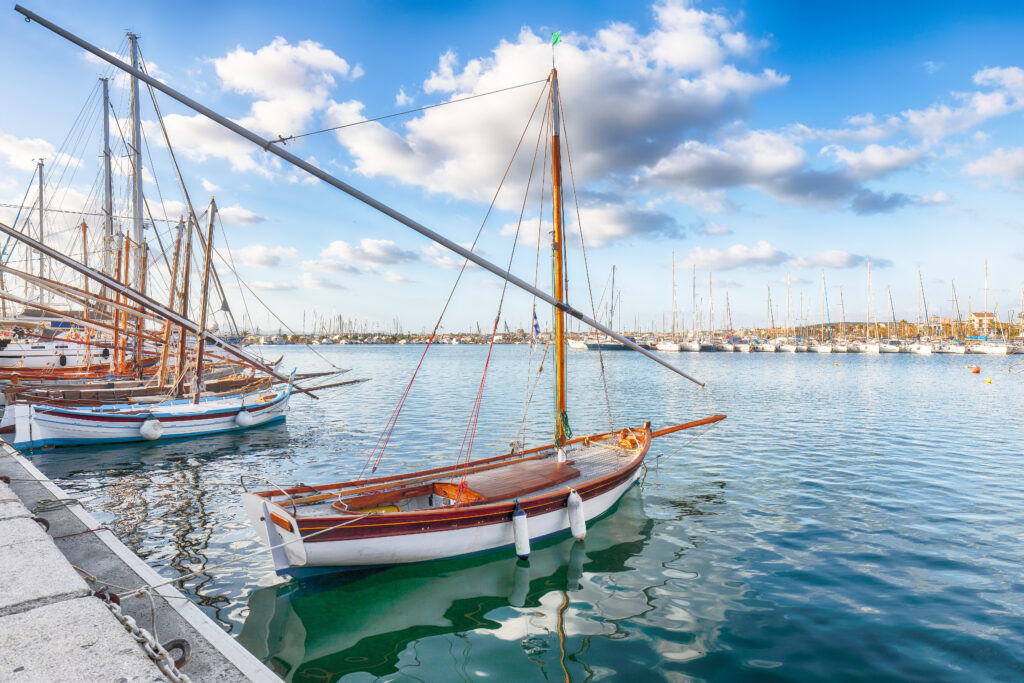
One of the oldest confirmed examples of a boat is the Pesse canoe, discovered in the Netherlands and dated to approximately 8,000 BCE. This ancient canoe was carved from a hollowed-out tree trunk and is widely considered the oldest surviving boat ever found. Although primitive by modern standards, it demonstrates that prehistoric humans already understood how to shape wood into a functional watercraft capable of floating and transportation.
Archaeologists believe boats may have existed even earlier than the Pesse canoe. Unfortunately, early boats were often made from wood, reeds, bark, or animal hides, which naturally decompose over thousands of years. Because of this, physical evidence is limited. However, ancient settlements located near rivers, lakes, and coastlines strongly suggest humans relied on simple boats long before written history began.
How Early Humans Built Boats
Early humans built boats using whatever natural materials were available in their environment. Dugout canoes were among the simplest designs because they could be created by hollowing out large tree trunks using stone tools, controlled fire, and scraping techniques. These boats were durable, buoyant, and relatively easy to maneuver across calm rivers and lakes.
In regions without large trees, people often constructed reed boats or skin-covered frames using animal hides stretched over wooden structures. Ancient civilizations in Mesopotamia used bundles of reeds tied tightly together to create floating vessels for river travel and fishing. These early construction methods show remarkable creativity considering the limited tools and resources available at the time.
Boats in Ancient Egypt and Mesopotamia
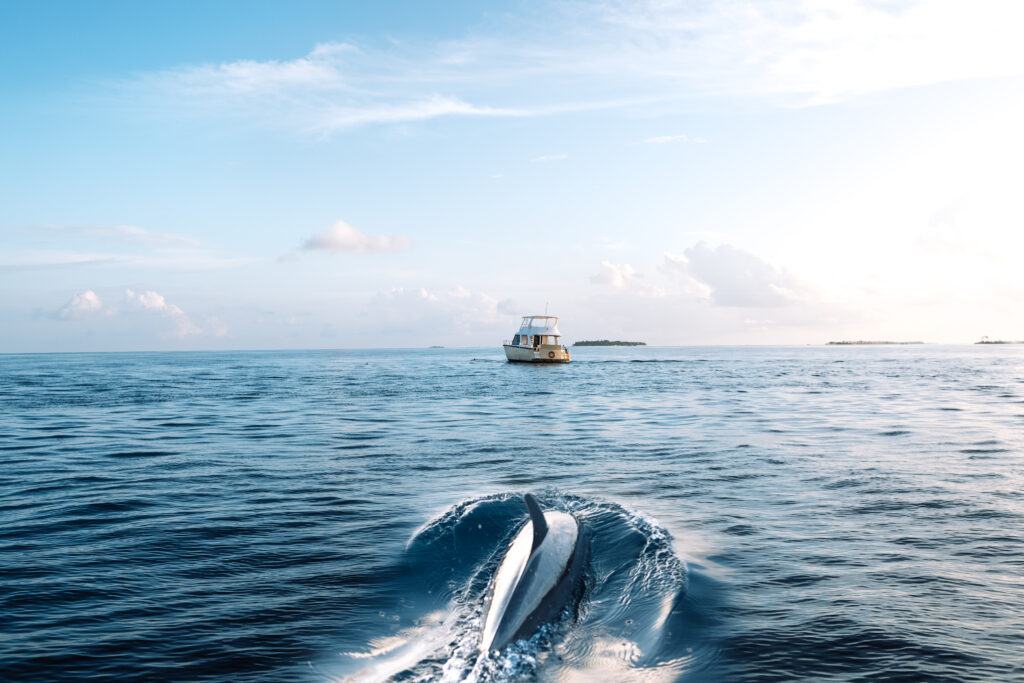
To better understand when were boats invented, historians often examine ancient river civilizations where boats became essential for survival and trade. Ancient Egyptians relied heavily on the Nile River for transportation, agriculture, fishing, and commerce. By around 3,000 BCE, Egyptian builders were already constructing sophisticated wooden boats capable of carrying cargo and passengers along the Nile.
At roughly the same time, the Sumerians of Mesopotamia developed reed boats to navigate the Tigris and Euphrates Rivers. These waterways became major transportation corridors that helped early cities grow economically and culturally. Boats allowed civilizations to transport food, building materials, tools, and trade goods much more efficiently than overland travel.
The Rise of Seafaring Cultures
As boat-building techniques improved, humans gradually moved beyond rivers and lakes into open ocean travel. One of the most remarkable examples came from the Austronesian peoples of Southeast Asia. By approximately 2,500 BCE, they had developed advanced ocean-going canoes capable of traveling enormous distances across the Pacific and Indian Oceans.
These skilled navigators used stars, wind patterns, wave movements, and ocean currents to travel between islands long before modern navigation tools existed. Their voyages helped spread language, agriculture, and culture across thousands of miles of ocean. This stage in maritime history marked a major turning point because boats were no longer limited to local transportation. They became tools for exploration and migration across entire regions.

Boats in Ancient Greece and Rome
When were boats invented as major military and commercial tools? Ancient Greece and Rome provide some of the clearest examples. The Phoenicians, Greeks, and Romans transformed boat design by introducing larger sailing ships, stronger hull structures, and organized naval fleets.
The Greeks became famous for triremes, fast warships powered by both sails and multiple rows of oarsmen. These vessels played an important role in naval warfare and helped expand Greek influence throughout the Mediterranean. The Romans later adopted and expanded many of these technologies to support trade, military expansion, and communication across their empire.
Boats during this period were critical for transporting grain, soldiers, weapons, and trade goods between ports. Maritime dominance often determined which civilizations controlled commerce and political power across large regions.
How Boats Changed Global Trade
One of the biggest reasons boats became so important throughout history was their impact on trade. Water transportation allowed civilizations to move large quantities of goods far more efficiently than land travel. Spices, silk, metals, food, and textiles could be transported between continents using merchant ships and trade fleets.
Major maritime trade routes eventually connected Europe, Asia, Africa, and the Middle East. Coastal cities and port communities grew rapidly because boats created access to international commerce and economic opportunity. Entire empires became wealthy because of their ability to control shipping lanes and trade routes.
Without boats, global trade would have developed far more slowly, and many civilizations may never have achieved the same level of economic growth or cultural exchange.
Viking Ships and Medieval Innovation
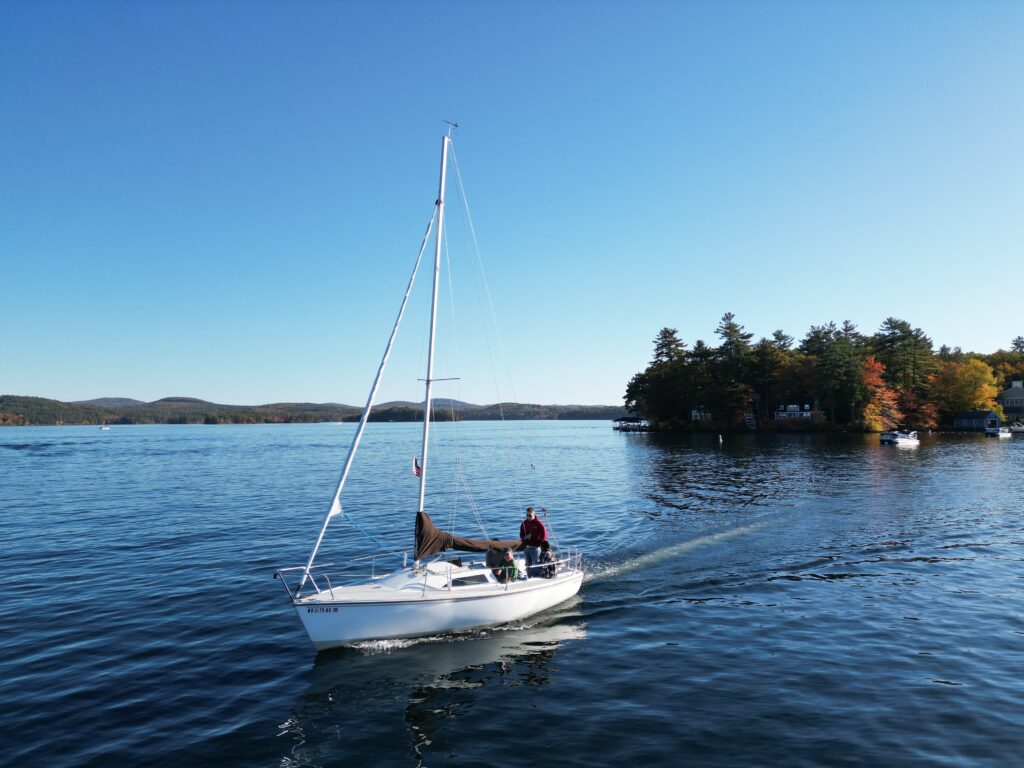
During the Middle Ages, Viking longships became some of the most recognizable boats in history. Built around 800 CE, these vessels featured lightweight clinker-built hulls, shallow drafts, and flexible designs that allowed Vikings to navigate both open seas and shallow rivers.
Viking ships were fast, maneuverable, and capable of traveling long distances across the North Atlantic. Their design helped Vikings explore and settle areas including Iceland, Greenland, and parts of North America centuries before Columbus reached the Americas.
Medieval Europe also saw continued improvements in shipbuilding, including stronger sails, improved steering systems, and larger cargo capacities that supported expanding trade and exploration.
The Renaissance and Ocean Exploration
The Renaissance period dramatically changed maritime history because shipbuilding technology improved enough to support global exploration. Ships such as caravels and carracks allowed European explorers to travel across entire oceans with greater reliability and cargo capacity.
Explorers including Christopher Columbus, Ferdinand Magellan, and Vasco da Gama relied on these advanced sailing ships to open trade routes and connect continents. Maritime exploration during this period reshaped global politics, economics, and cultural exchange permanently.
This era also accelerated naval engineering because nations competed to build faster, larger, and more capable fleets for both trade and military power.
The Industrial Revolution Changed Boat Technology
The Industrial Revolution introduced steam power, iron construction, and eventually steel hulls into shipbuilding. Steamships no longer depended entirely on wind conditions, which made travel faster and more predictable. Industrial manufacturing also allowed larger ships to be built more efficiently than ever before.
By the late 19th and early 20th centuries, boats had evolved into highly specialized vessels designed for passenger travel, warfare, cargo transportation, fishing, and recreation. Diesel engines later replaced many steam-powered systems, creating the foundation for modern marine transportation.
Modern Recreational Boating
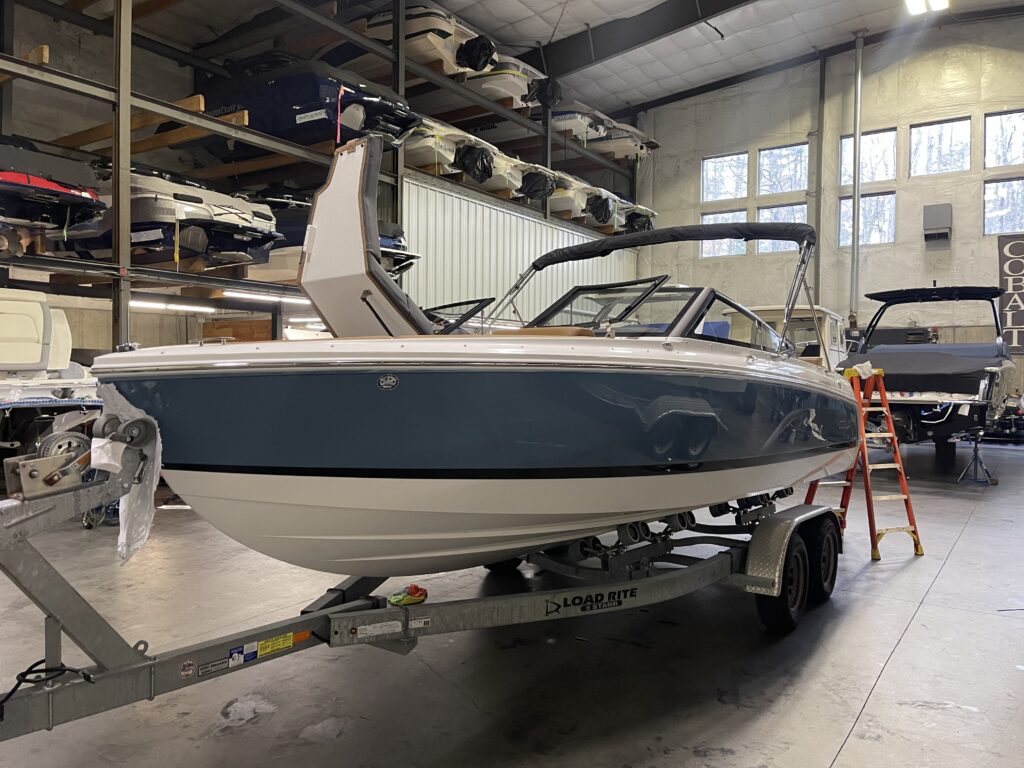
Today, boats are used for far more than survival or trade. Recreational boating has become a major global industry that includes fishing boats, pontoons, sailboats, luxury yachts, wake boats, and personal watercraft. Fiberglass construction, advanced electronics, GPS navigation, and fuel-efficient engines have transformed the boating experience for modern owners.
Electric propulsion systems and environmentally friendly technologies are also becoming increasingly common as manufacturers continue improving efficiency and sustainability in marine design. Individuals exploring recreational boating today can review financing options through Float Finance boat financing solutions designed for marine purchases and ownership planning. Additional e
The Cultural Importance of Boats
Boats have always carried symbolic meaning beyond transportation alone. Throughout history, they have represented exploration, freedom, migration, trade, and survival. Ancient myths, religious stories, and cultural traditions across the world frequently include boats as important symbols.
From Viking burial ships to stories like Noah’s Ark, boats have remained deeply connected to human imagination and storytelling for thousands of years. Their influence extends far beyond engineering and transportation because they helped shape how civilizations interacted with the world around them.
Boats and Modern Ownership
Understanding when were boats invented gives modern boat owners a greater appreciation for how much marine technology has evolved. While today’s vessels are vastly more advanced than ancient canoes or sailing ships, they still rely on many of the same basic principles of flotation, navigation, and engineering. Educational boating resources are also available through the Discover Boating resource center, which guides both new and experienced boat owners.

Conclusion
So, when were boats invented? While historians may never identify the exact date of the first boat, archaeological evidence shows humans have been building watercraft for thousands of years. From simple dugout canoes to advanced ocean-going ships, boats changed the course of human history by enabling exploration, trade, migration, and cultural exchange across the world. Each stage of boat development reflects humanity’s ongoing drive to travel farther, carry more, and connect distant communities through waterways and oceans. Even today, modern boats continue that long tradition while combining ancient concepts with advanced engineering and technology. Individuals preparing for boat ownership can also explore additional marine financing guidance directly through the official Float Finance website.