
When selecting or installing an outboard motor, one of the most important but often overlooked steps is understanding how to measure boat motor shaft length correctly. Many boat owners focus on horsepower, brand, or price, but if the shaft length does not match the boat’s transom, performance issues will quickly appear. The shaft length determines how deep the propeller sits in the water, which directly affects efficiency, handling, and safety. A motor that is too short can cause the propeller to rise out of the water during operation, leading to loss of thrust and control, while a motor that is too long can create unnecessary drag and stress on the boat’s structure. Getting this measurement right ensures smooth operation, better fuel efficiency, and a more stable boating experience.
Why Proper Shaft Length Is Critical for Performance
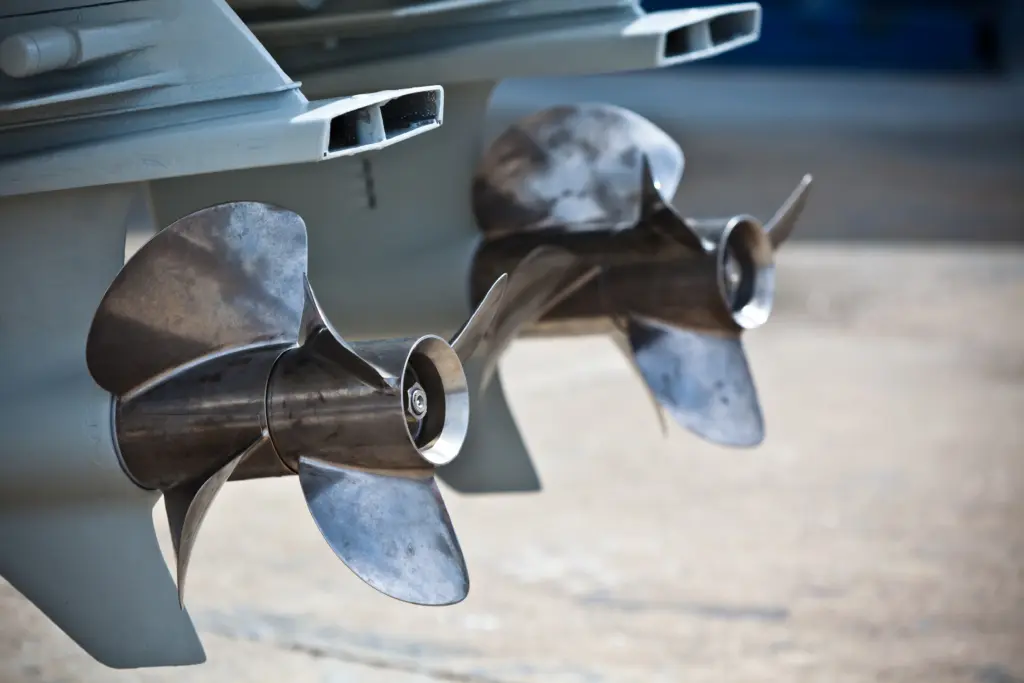
Understanding how to measure boat motor shaft length becomes essential when considering how it impacts overall boat performance. The shaft length controls the position of the propeller relative to the hull, and this positioning must be precise for the motor to operate efficiently. If the propeller is positioned too high, it may ventilate, meaning it draws in air instead of water, causing the engine to lose power and increase wear. If it is positioned too low, the motor creates excess resistance in the water, reducing speed and fuel efficiency. In rough water conditions, improper shaft length can also make handling unpredictable, increasing the risk of losing control. This is why proper measurement is not just a technical detail but a key factor in safe and reliable operation.
Standard Shaft Length Categories Explained
Before diving into how to measure boat motor shaft length, it is important to understand the standard shaft length categories used in the marine industry. Most outboard motors fall into three main groups: short shaft, long shaft, and extra-long shaft. Short shafts are typically around 15 inches, long shafts around 20 inches, and extra-long shafts can reach 25 inches or more. These measurements refer to the distance from the mounting bracket to the center of the propeller shaft. Boat manufacturers design transoms to align with these standard sizes, which simplifies motor selection when measurements are taken correctly. Knowing these categories helps boat owners quickly identify which type of motor is compatible with their vessel.

Step-by-Step Guide on How to Measure Boat Motor Shaft Length
Learning how to measure boat motor shaft length involves a simple but precise process that must be done carefully to avoid errors. Start by locating the mounting bracket on the outboard motor, which is the part that rests on the boat’s transom. From this point, measure straight down to the center of the propeller shaft, ensuring that the measuring tool remains vertical throughout the process. This measurement represents the shaft length. It is important to avoid measuring at an angle or guessing the distance, as even a small miscalculation can lead to improper fit. Comparing this measurement to the boat’s transom height allows you to confirm whether the motor will align correctly with the hull.
Matching Motor Shaft Length With Transom Height
One of the most important parts of understanding how to measure boat motor shaft length is ensuring that it matches the transom height of the boat. The transom height is measured from the top of the mounting surface down to the bottom of the hull, and this measurement should closely match the motor’s shaft length. When these two measurements align, the propeller sits at the ideal depth in the water, providing balanced performance and efficient operation. If there is a mismatch, the motor may either struggle to maintain proper thrust or create unnecessary drag. Taking accurate transom measurements before purchasing a motor helps prevent compatibility issues and ensures optimal performance from the start.

Common Mistakes That Lead to Incorrect Measurements
Many boat owners run into problems because they misunderstand how to measure boat motor shaft length or rely on assumptions instead of accurate measurements. One common mistake is measuring from the wrong reference point, such as the top of the engine instead of the mounting bracket. Another issue is rounding measurements instead of using precise values, which can result in selecting the wrong shaft category. Some buyers also assume that all boats of a certain size require the same shaft length, which is not always true due to differences in design. These mistakes can lead to poor performance, increased wear on the motor, and additional costs for adjustments or replacements.
Impact of Shaft Length on Safety and Efficiency
Knowing how to measure boat motor shaft length correctly has a direct impact on both safety and efficiency. A properly positioned propeller ensures that the boat responds predictably to steering and throttle input, which is especially important in rough or high-speed conditions. Correct shaft length also helps the engine operate within its intended range, improving fuel efficiency and reducing strain on internal components. Over time, this leads to lower operating costs and longer engine life. An improperly fitted motor, on the other hand, can create unstable handling and increase the risk of accidents, making accurate measurement a critical step in boat setup.
Planning for Motor Purchase and Installation
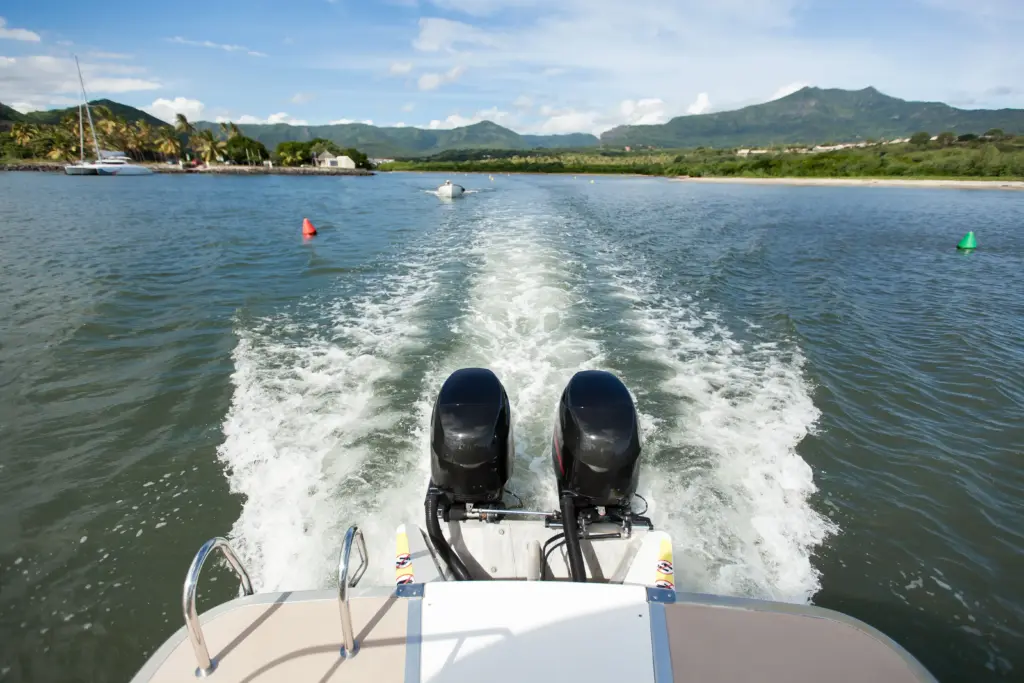
Understanding how to measure boat motor shaft length should be part of the overall planning process when purchasing or upgrading a motor. Buyers should consider shaft length alongside other factors such as horsepower, weight, and intended use to ensure compatibility with their boat. Taking accurate measurements before making a purchase helps avoid costly mistakes and simplifies installation. For those planning a larger investment, our boat loan pre-approval service can help clarify financing options and budget considerations. Additional reliable guidance on boat setup and equipment selection can be found through resources like Discover Boating, which provides practical information for boat owners and buyers.
Conclusion
Learning how to measure boat motor shaft length correctly is essential for achieving the right balance of performance, safety, and efficiency. By understanding standard shaft sizes, measuring accurately, and matching the motor to the boat’s transom height, boat owners can avoid common issues and improve overall operation. Taking the time to get this detail right ensures smoother handling, better fuel economy, and longer engine life. With proper preparation and attention to detail, selecting the correct shaft length becomes a straightforward step that enhances the entire boating experience.