
Call Us : 207-994-5109
Mon – Fri: 8 am to 9 pm & Sat – Sun: 10 am to 8 pm
The Lund Fury family is built around a light, affordable way into a real Lund fishing layout with casting space and livewell capability. The Lund Fury models consist of the 1400 Fury, 1600 Fury, and the right choice starts with how each one changes the water, crew, deck and ownership equation.
The Lund Fury is not simply a group of boats sharing a name; the family exists for a light, affordable way into a real Lund fishing layout with casting space and livewell capability. That makes first-time owners, cabin users, and anglers whose ramps, garages, or tow vehicles favor a small boat the starting buyer profile, while small lakes, rivers, and protected inland water describes the environment in which the series makes the most sense.
The main Lund Fury compromise is specific: Fury ownership is easy because the boat is small, but the same compact dimensions reduce passenger room, fuel options, and rough-water comfort. A Lund Fury buyer should accept that limitation only when the family advantage appears more often than the compromise. If the drawback shows up every trip, moving sideways to another Lund family is more rational than buying a larger Fury and hoping size fixes the mismatch.
The current Lund Fury lineup in this guide is 1400 Fury, 1600 Fury.
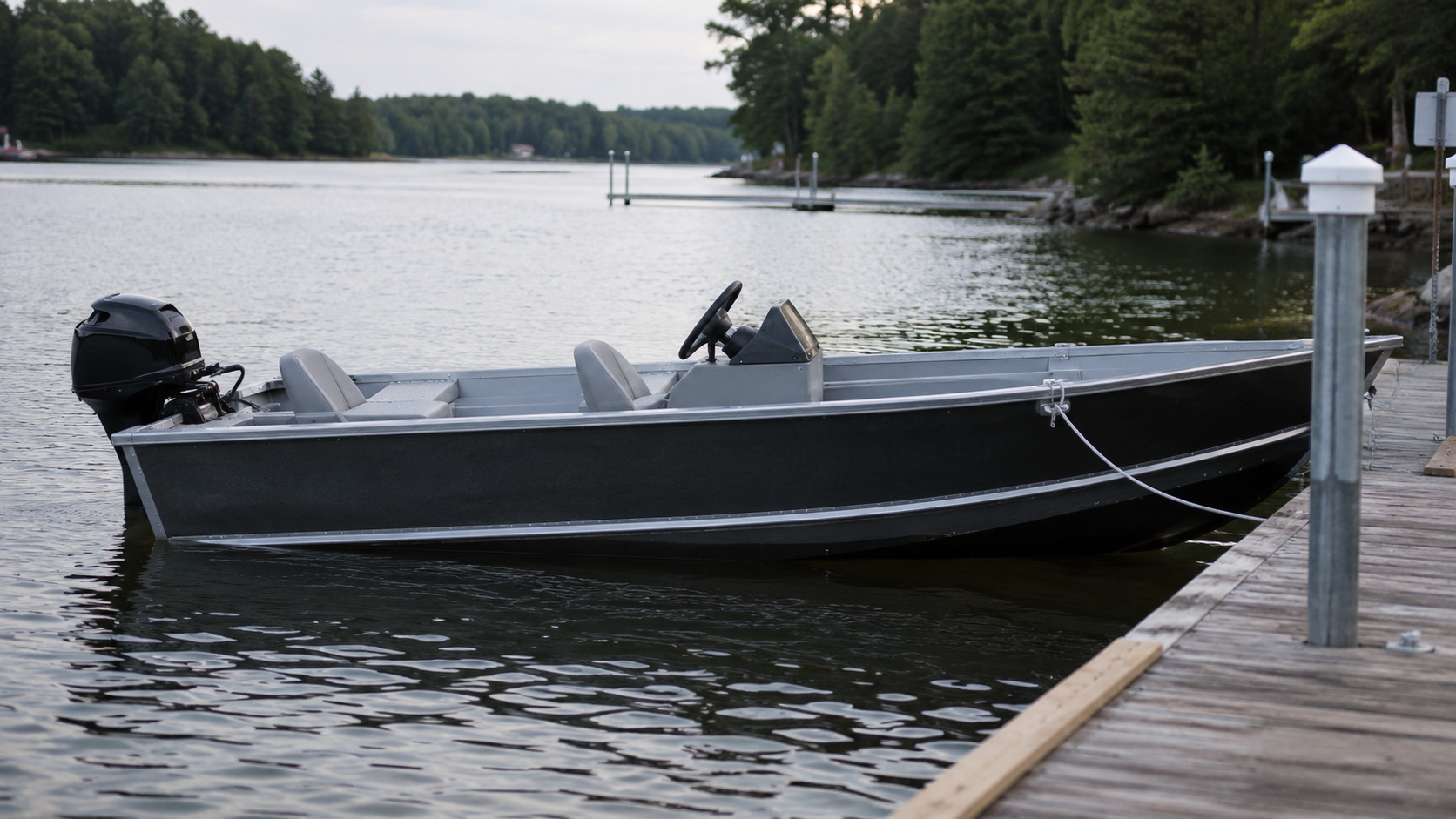
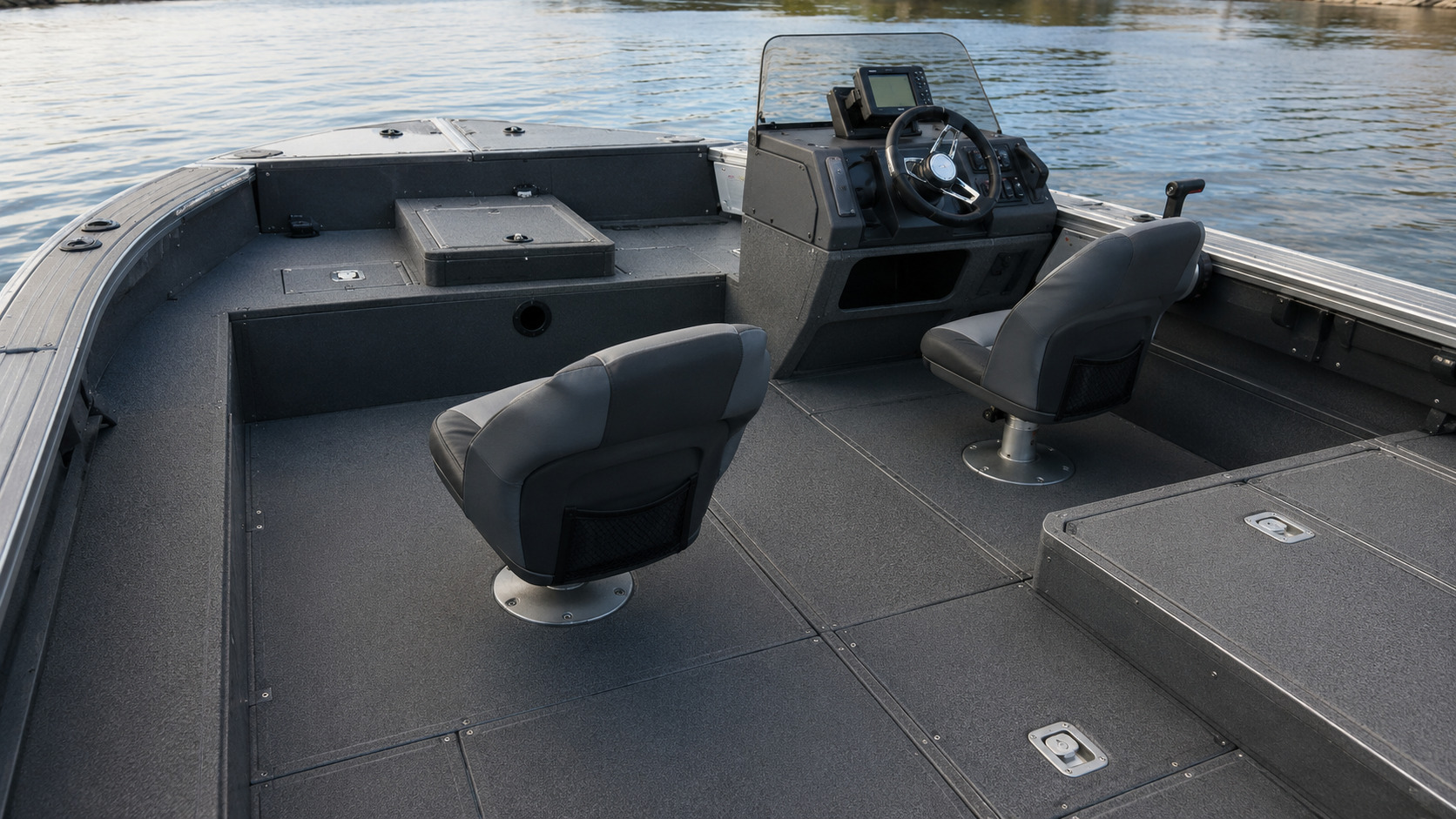
The Lund Fury family uses light compact aluminum fishing hull and aluminum construction to support small lakes, rivers, and protected inland water. For the Lund Fury, that design statement should be tested model by model because beam, bottom structure, transom, cockpit depth, steering and power can change enough to alter where the boat feels comfortable.
For a used Lund Fury, the inspection should follow the material and mission. An aluminum Fury that has spent its life in small lakes, rivers, and protected inland water deserves attention at the hull, transom, trailer support, steering, outboard, electrical system, pumps when fitted, and every owner-added accessory mount; a clean seat base or polished cowl does not answer those condition questions.
The useful model thresholds in the Lund Fury range are these: 1400 Fury 14′ 9″ / 30 HP; 1600 Fury 16′ 2″ / 40 HP. For the Lund Fury, those figures show where the buyer begins accepting more trailer, engine, fuel and storage burden in exchange for capability instead of treating every step up as an automatic upgrade.
The best alternative to a Lund Fury is not automatically the next series up in price. A useful cross-shop removes the Fury compromise while accepting a different one, which is why these neighboring families deserve attention.
From the Lund Fury page, compare the Lund Angler when its buyer profile is closer to the way the owner actually boats: buyers who want a dedicated fishing boat without stepping into the cost and tow burden of Lunds in the 18-foot class. The Angler is built around a value-first small fishing platform with real rod storage, livewell capacity, and multiple steering choices, so it solves a different problem from the Fury even when model lengths overlap.
Compare the Lund WC when its buyer profile is closer to the way the owner actually boats: owners who prioritize portability, simple tiller operation, and easy launching over built-in fishing systems. The WC is built around a basic small V-bottom utility boat for camp transportation, fishing, and hunting with very little to maintain, so it solves a different problem from the Fury even when model lengths overlap.
Compare the Lund Rebel XL when its buyer profile is closer to the way the owner actually boats: owners who want a small Lund but do not want to give up livewell, storage, or steering options. The Rebel XL is built around a compact 16-foot-class multi-species boat with more configuration choice and built-in fishing capability than a bare utility hull, so it solves a different problem from the Fury even when model lengths overlap.
The current Lund Fury models covered here are 1400 Fury, 1600 Fury. Each Lund Fury model page goes deeper on hull construction, steering, outboard power, fuel, deck organization, systems, pricing context and financing.
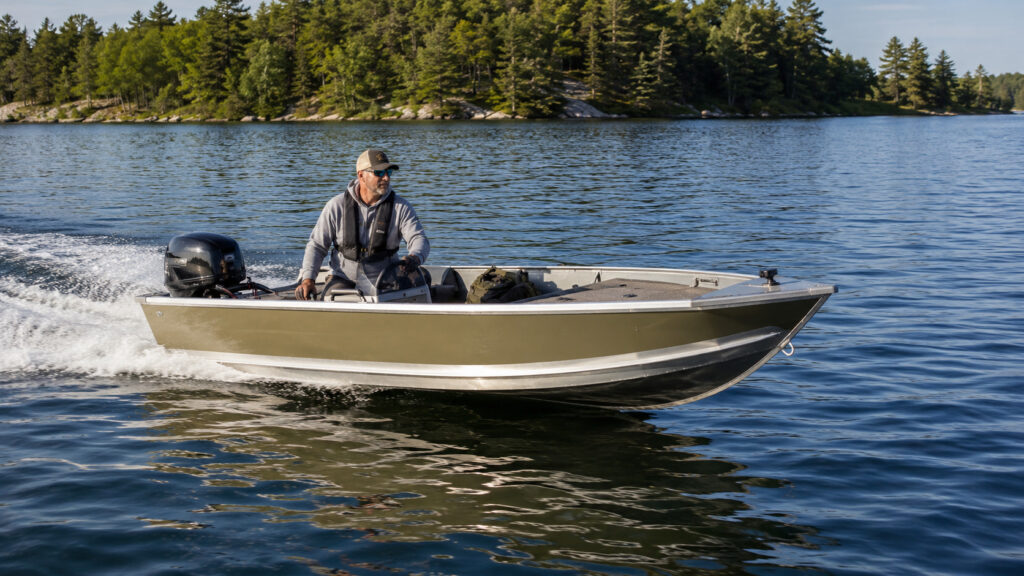
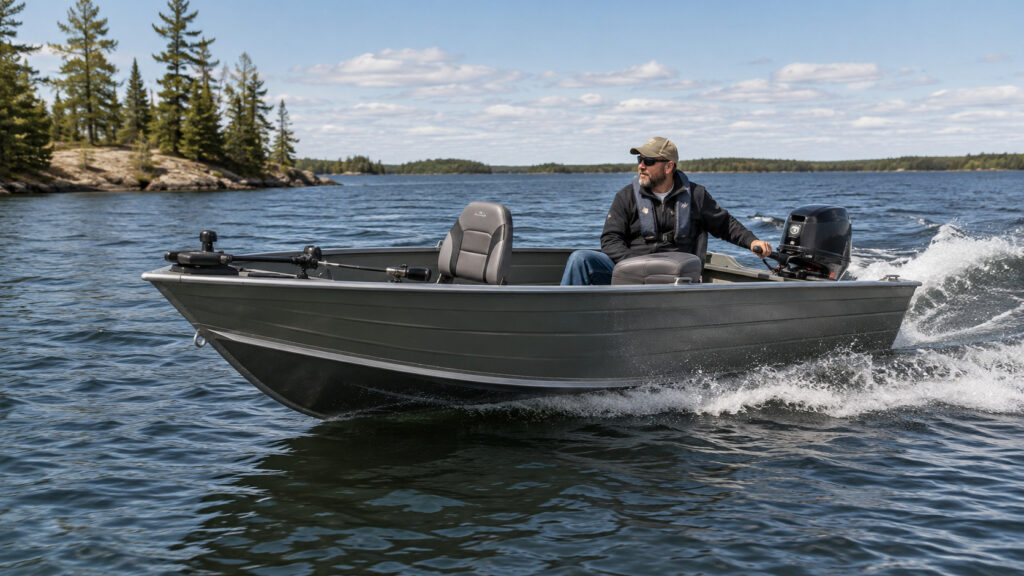
A Lund Fury financing application should follow the boat decision. Once the buyer knows which Fury model fits small lakes, rivers, and protected inland water, the normal crew, the tow vehicle and the storage plan, Float Finance can help evaluate eligible dealer, brokerage or private-party purchases and show how the specific transaction may work as a monthly payment.
Start a Lund Fury comparison with the normal day, not the best day of the season. For a Lund Fury decision, write down the water, crew, longest run, rods or cargo, towing limits, storage space and whether the operator wants tiller and side-console; those answers eliminate more wrong boats than a horsepower chart.
The final Lund Fury choice should be the smallest or simplest model that comfortably handles the owner’s recurring demands. Within the Lund Fury range, buying unused size can add fuel, engine, trailer and storage cost without improving the days that make up most of the season.
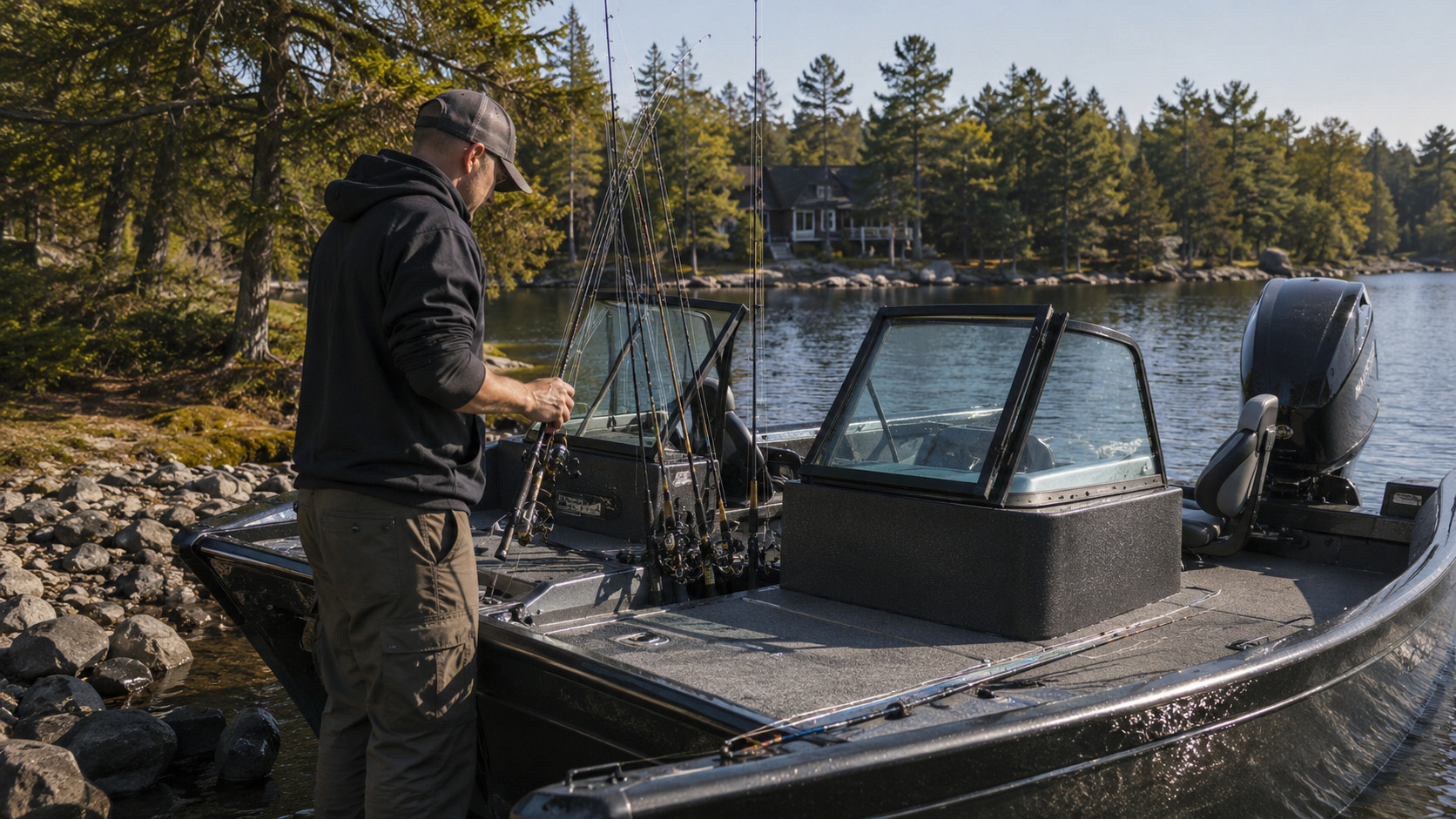
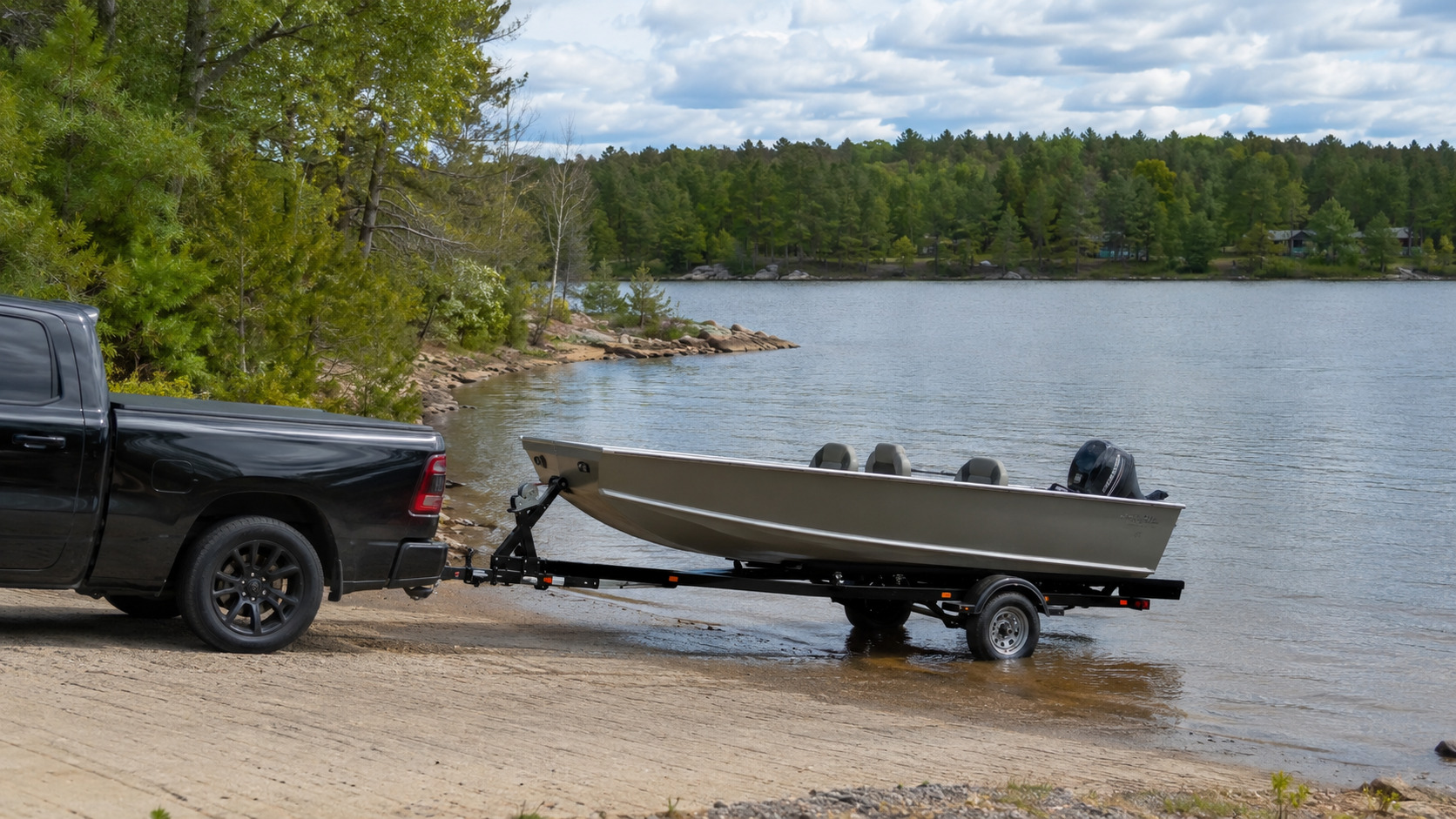
The Fury family’s aluminum construction, outboard packages, trailers, batteries, fishing equipment and storage requirements create recurring fuel, service, winterization, insurance, trailer and accessory costs that should be visible before financing is finalized.
The Fury model list spans 1400 Fury 14′ 9″ / 30 HP; 1600 Fury 16′ 2″ / 40 HP. Within the Lund Fury, that spread matters because a larger engine, fuel system and trailer can change annual cost; a buyer using short inland runs should not budget from the habits of an owner who regularly crosses large open water.
For a used Lund Fury, maintenance documentation and rigging quality deserve more weight than cosmetic shine. A well-kept smaller Fury with correct trailer support and clean electrical work can be a better long-term buy than a larger model carrying deferred outboard, pump, battery or trailer work.
If the Lund Fury now fits the buyer’s water and ownership plan, use the application to evaluate financing for the exact boat. If the choice is still between 1400 Fury, 1600 Fury or a neighboring Lund family, contact Float Finance before turning one monthly estimate into the reason to buy the wrong hull.
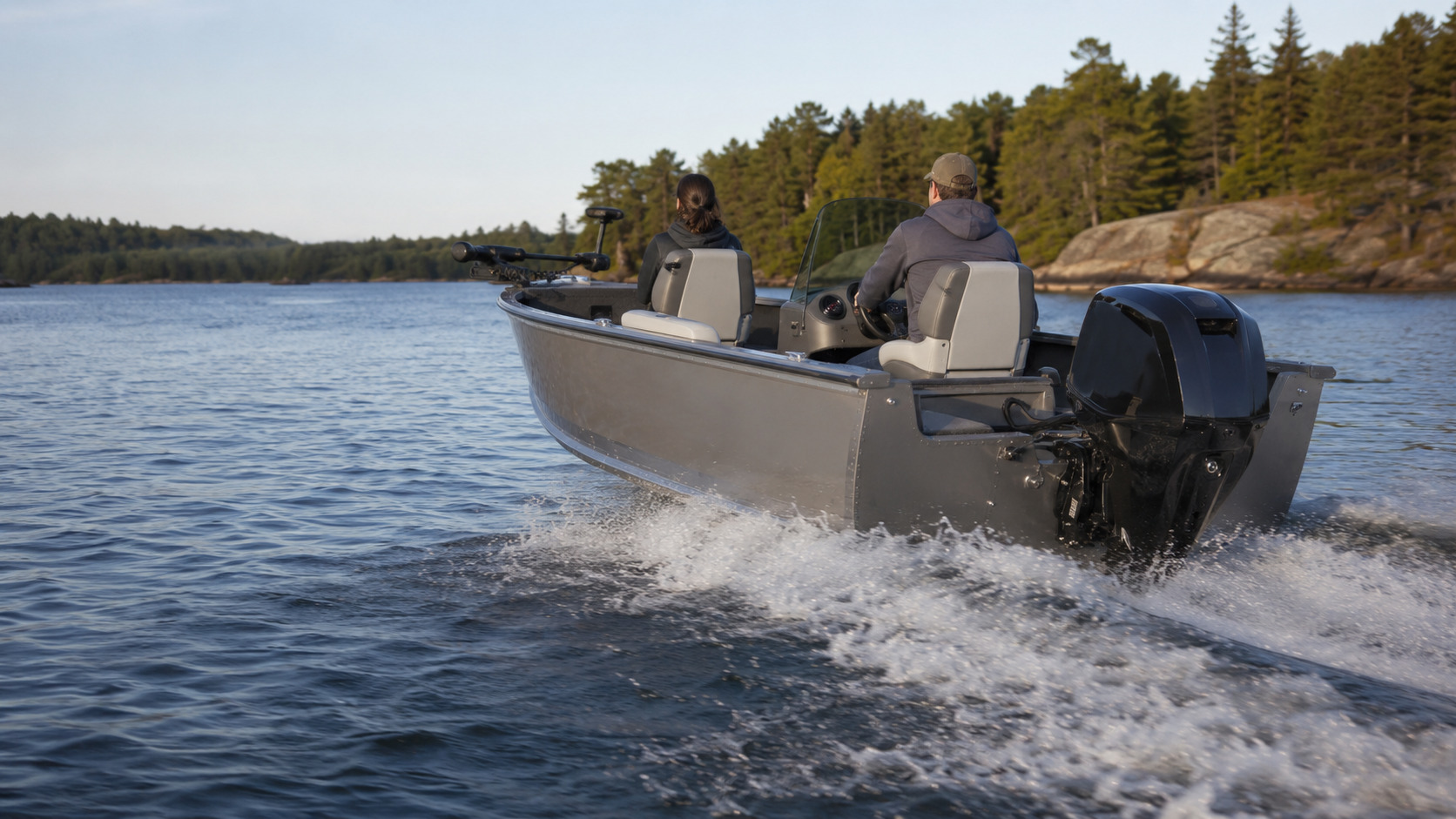
Alt: Lund Fury buying guide for small lakes, rivers, and protected inland water
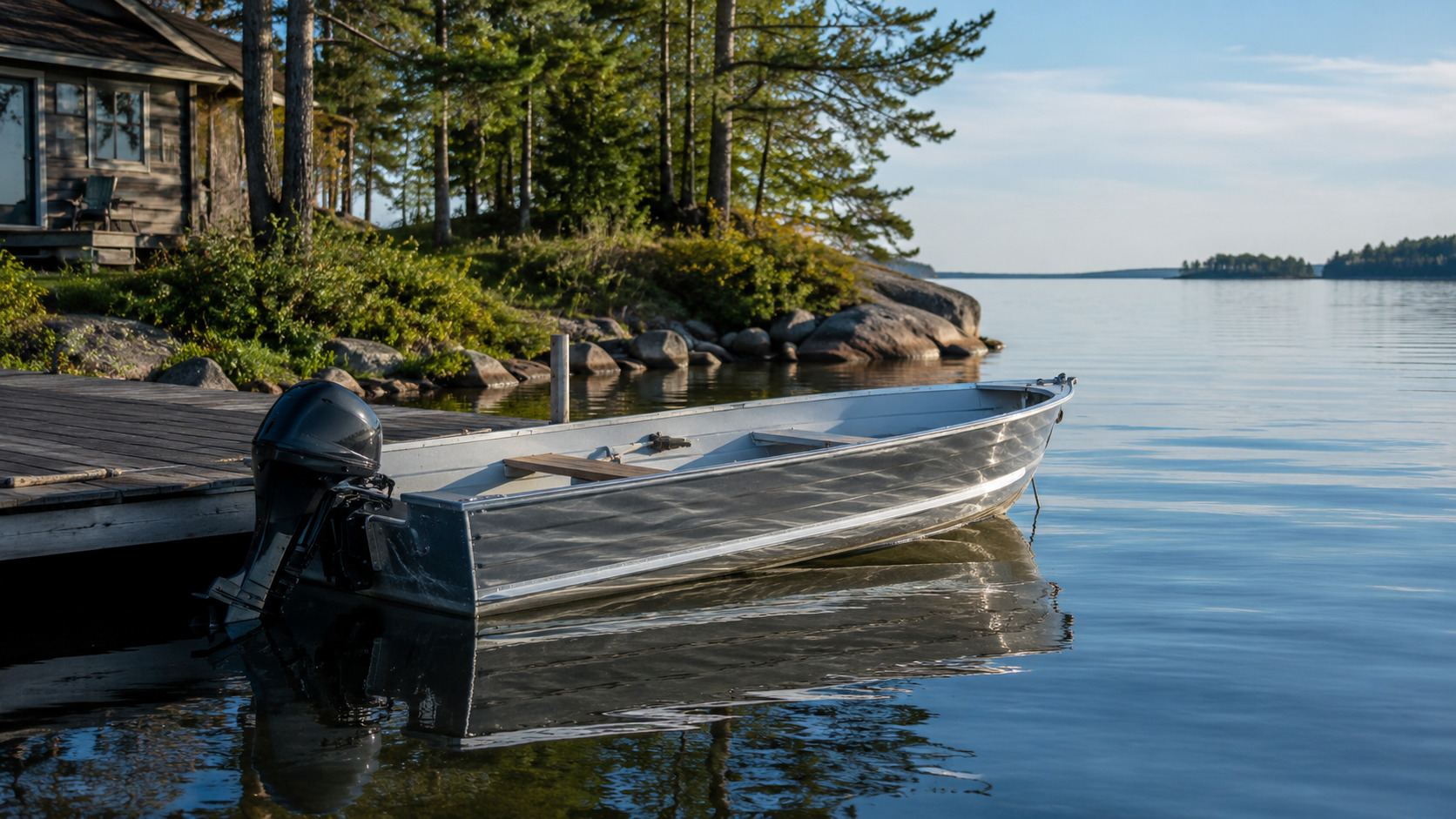
A practical guide to matching Fury hull size, steering, crew, gear and tow vehicle to the water that will actually be used.
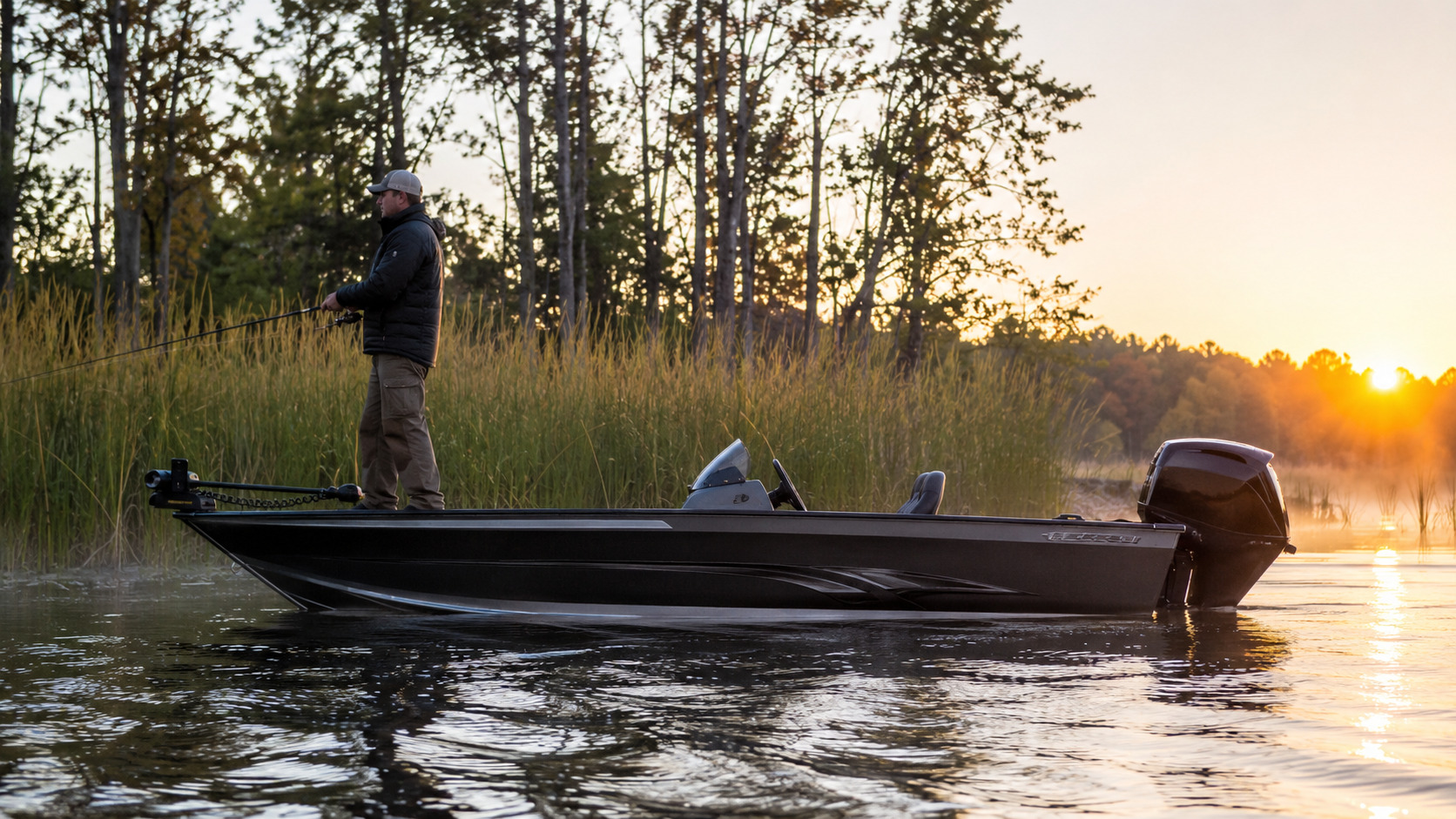
A condition checklist focused on aluminum hull structure, transom, outboard, electrical work, fishing systems and trailer support.
A guide to keeping fuel, service, storage, insurance and trailer expense beside the boat payment.
The Lund Fury is designed for a light, affordable way into a real Lund fishing layout with casting space and livewell capability. Its normal buyer is first-time owners, cabin users, and anglers whose ramps, garages, or tow vehicles favor a small boat, and the family makes the most sense on small lakes, rivers, and protected inland water. The main compromise is specific: Fury ownership is easy because the boat is small, but the same compact dimensions reduce passenger room, fuel options, and rough-water comfort.
This Lund Fury guide covers 1400 Fury, 1600 Fury. Their published size and power steps are 1400 Fury 14′ 9″ / 30 HP; 1600 Fury 16′ 2″ / 40 HP, so moving from one Fury model to another can change trailer, engine, fuel and storage requirements as well as usable deck space.
Choose a Lund Fury by normal water, crew, steering preference, rods or cargo, towing, and storage before comparing monthly payment. The best Fury is the model whose extra capability gets used often enough to justify the extra engine, fuel, trailer and storage burden.
A used Lund Fury needs a hull and transom inspection appropriate to aluminum construction, plus a cold engine start, steering check, electrical and pump testing when fitted, battery review, and trailer inspection. On a used Lund Fury, the condition of owner-added electronics and accessory penetrations can reveal how carefully that boat was rigged.
Eligible Lund Fury purchases can include private-party transactions as well as dealer and brokerage purchases. A private Lund Fury sale still requires ownership, lien and identification documents, acceptable boat value and condition, and a borrower and transaction that meet lender requirements.
Compare another Lund when the Fury compromise appears on most normal trips: Fury ownership is easy because the boat is small, but the same compact dimensions reduce passenger room, fuel options, and rough-water comfort. The most useful alternatives are Angler, WC, Rebel XL because they solve a different use case rather than simply adding size.
If the Lund Fury family matches this buyer profile, first-time owners, cabin users, and anglers whose ramps, garages, or tow vehicles favor a small boat, and the buyer has narrowed the choice to the right model, start the Float Finance boat-loan application for that exact purchase.
Tell us a little bit about yourself and the boat you are looking to finance.