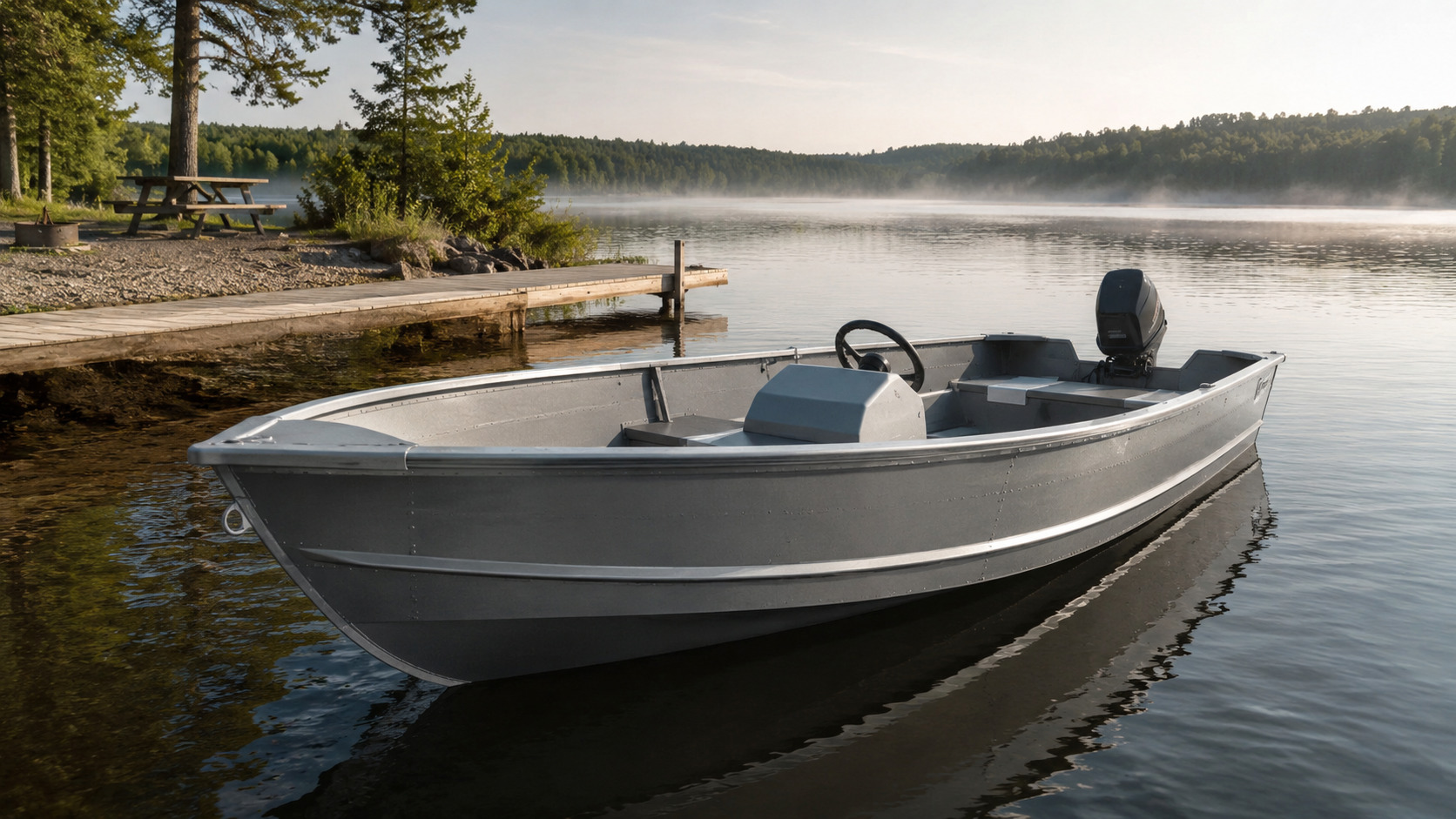
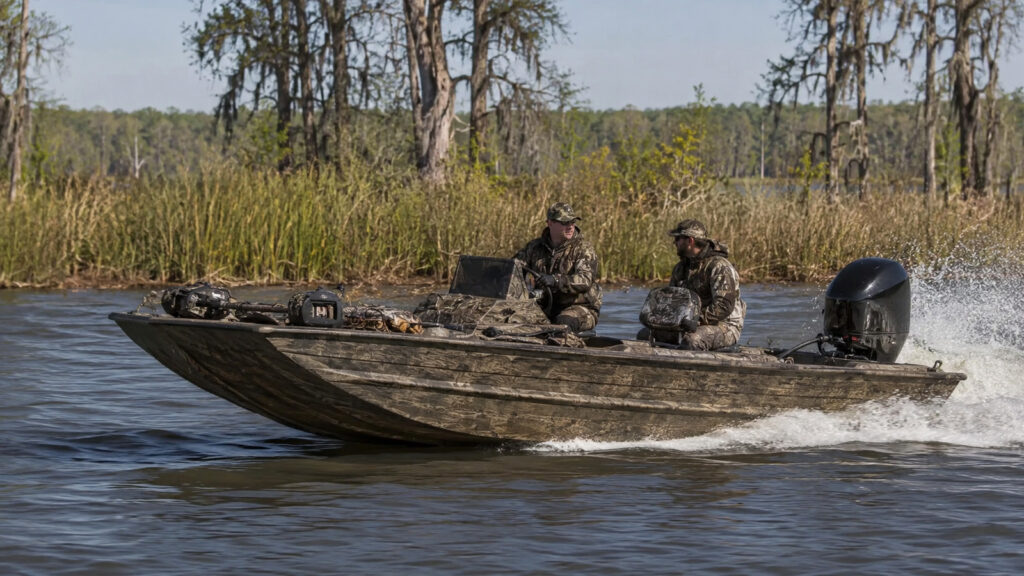
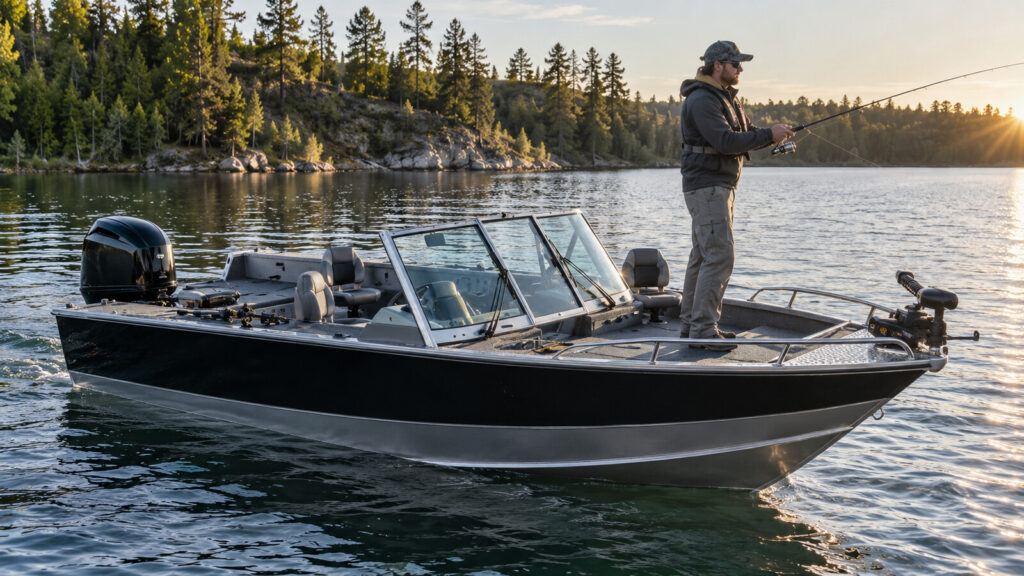
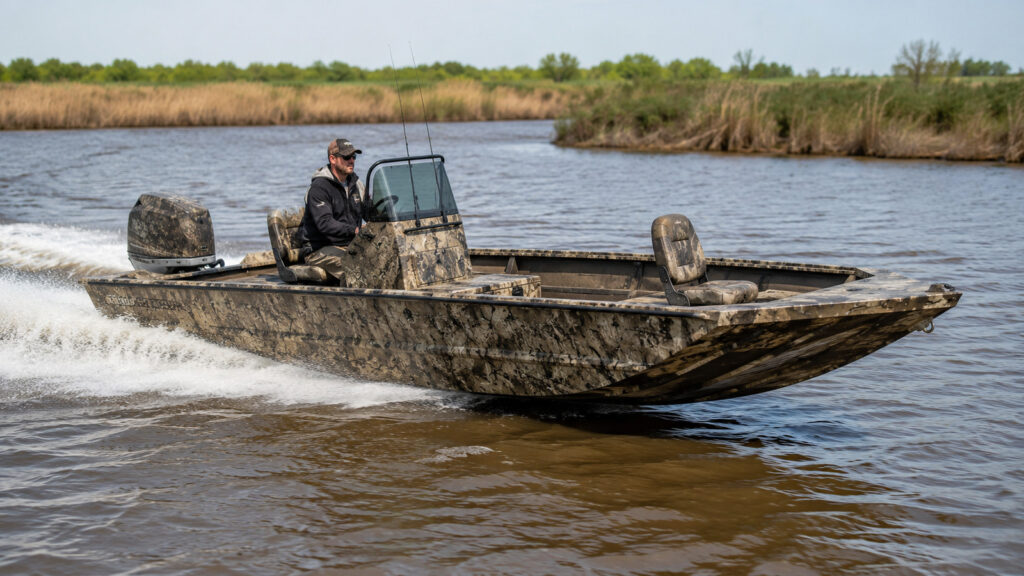
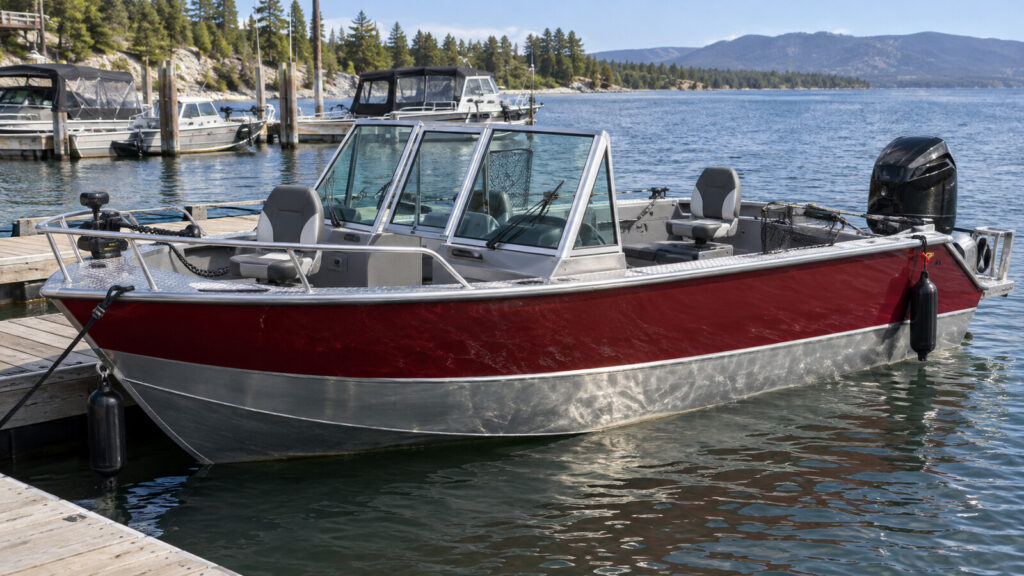
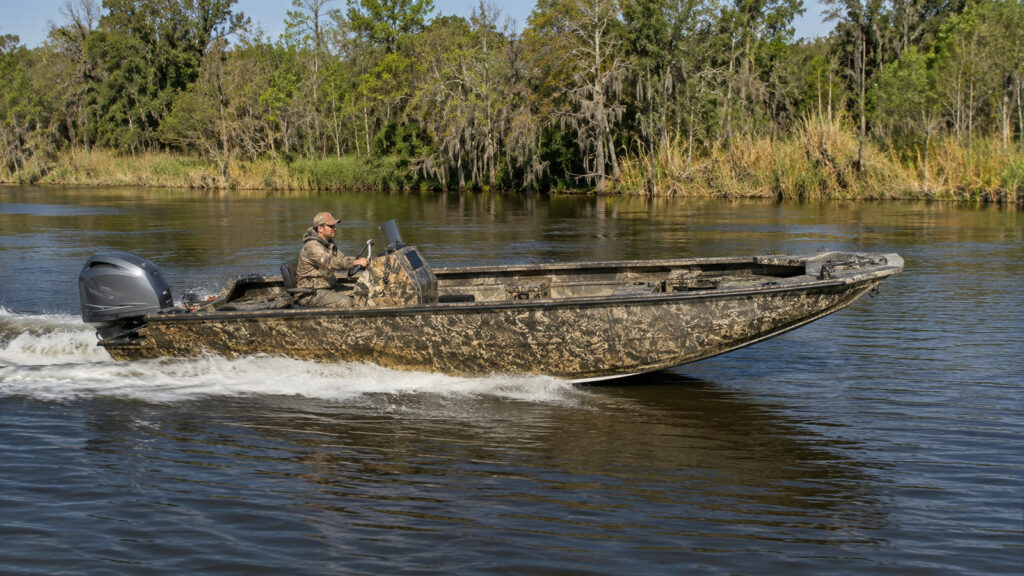
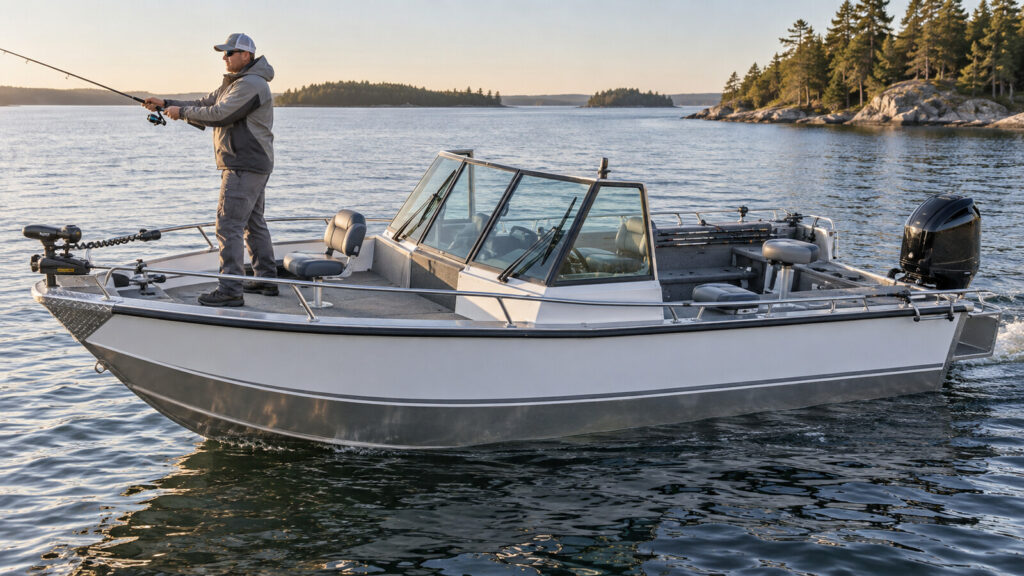
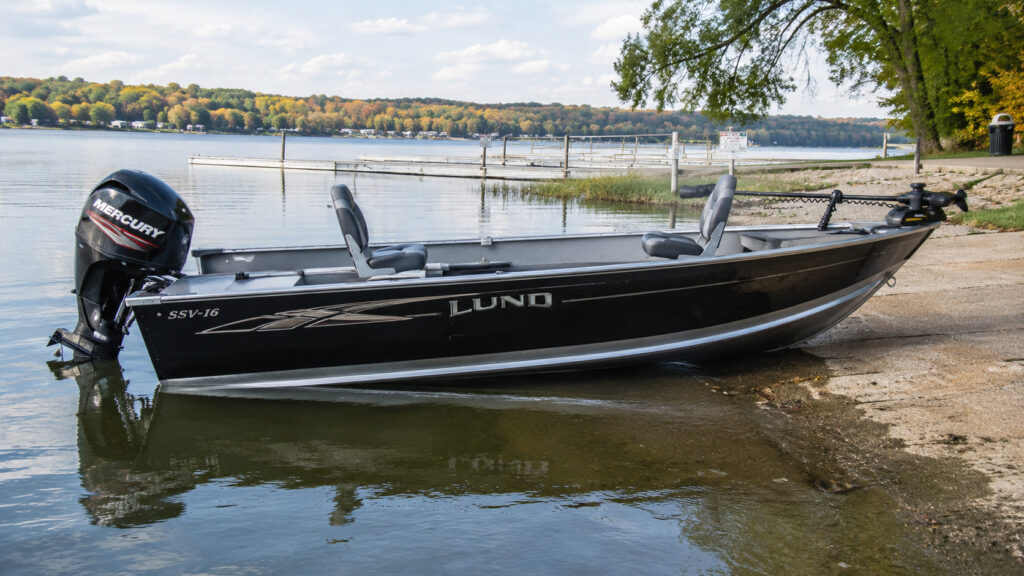
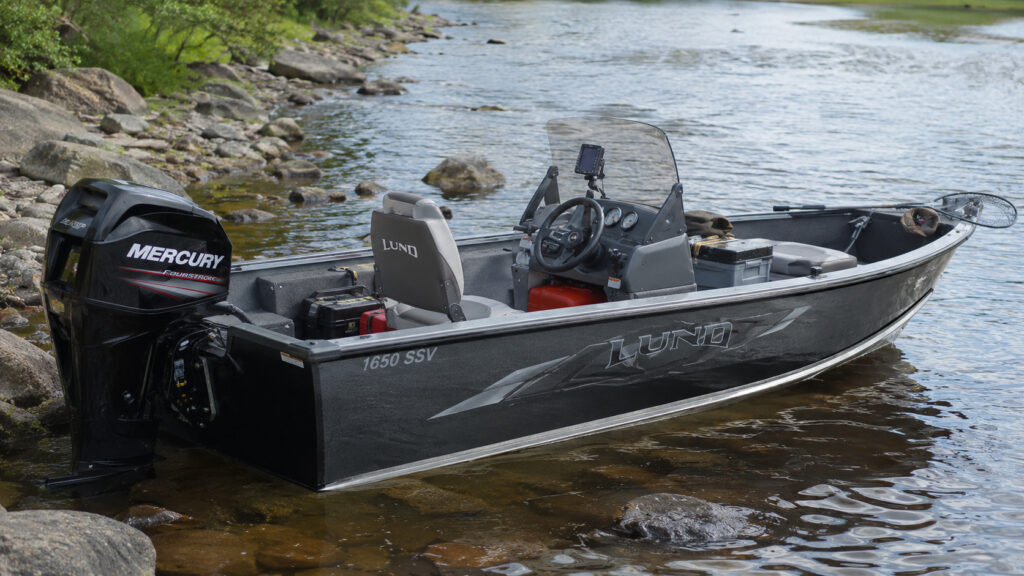
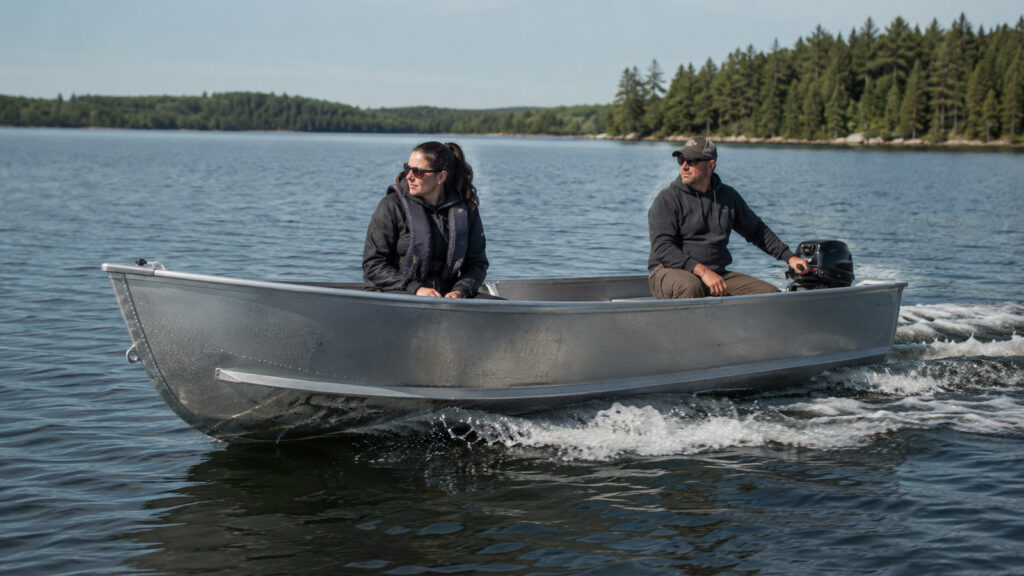
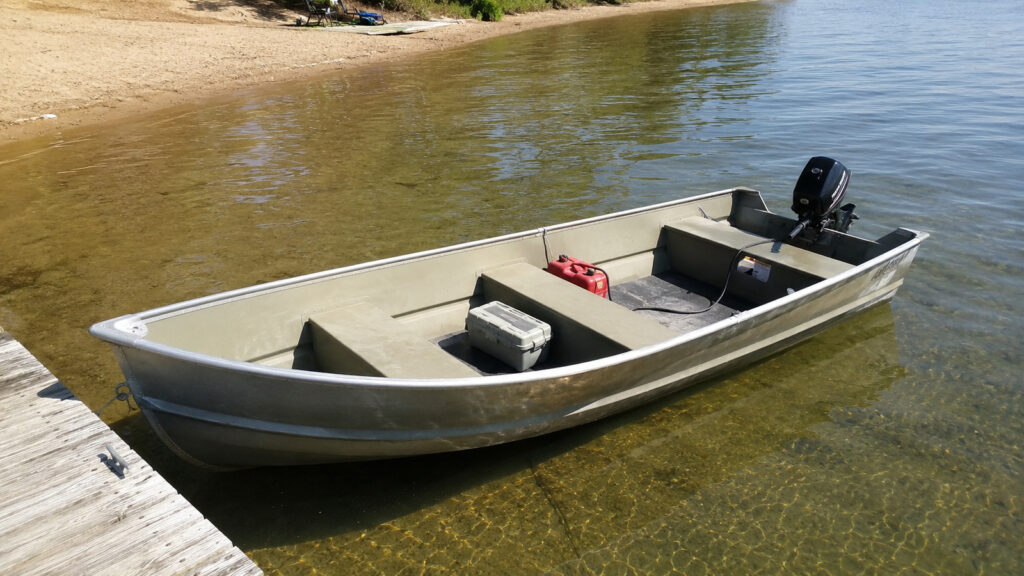
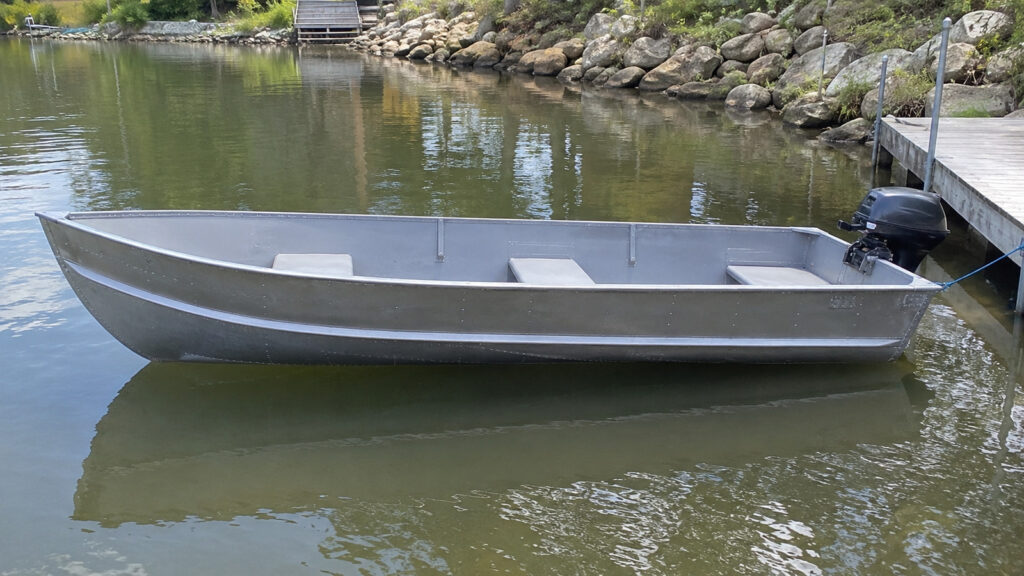
The boat the camp owns, the boat the cottage lends out, the boat that starts every season without a speech. Utility aluminum is boating with its sleeves rolled up.
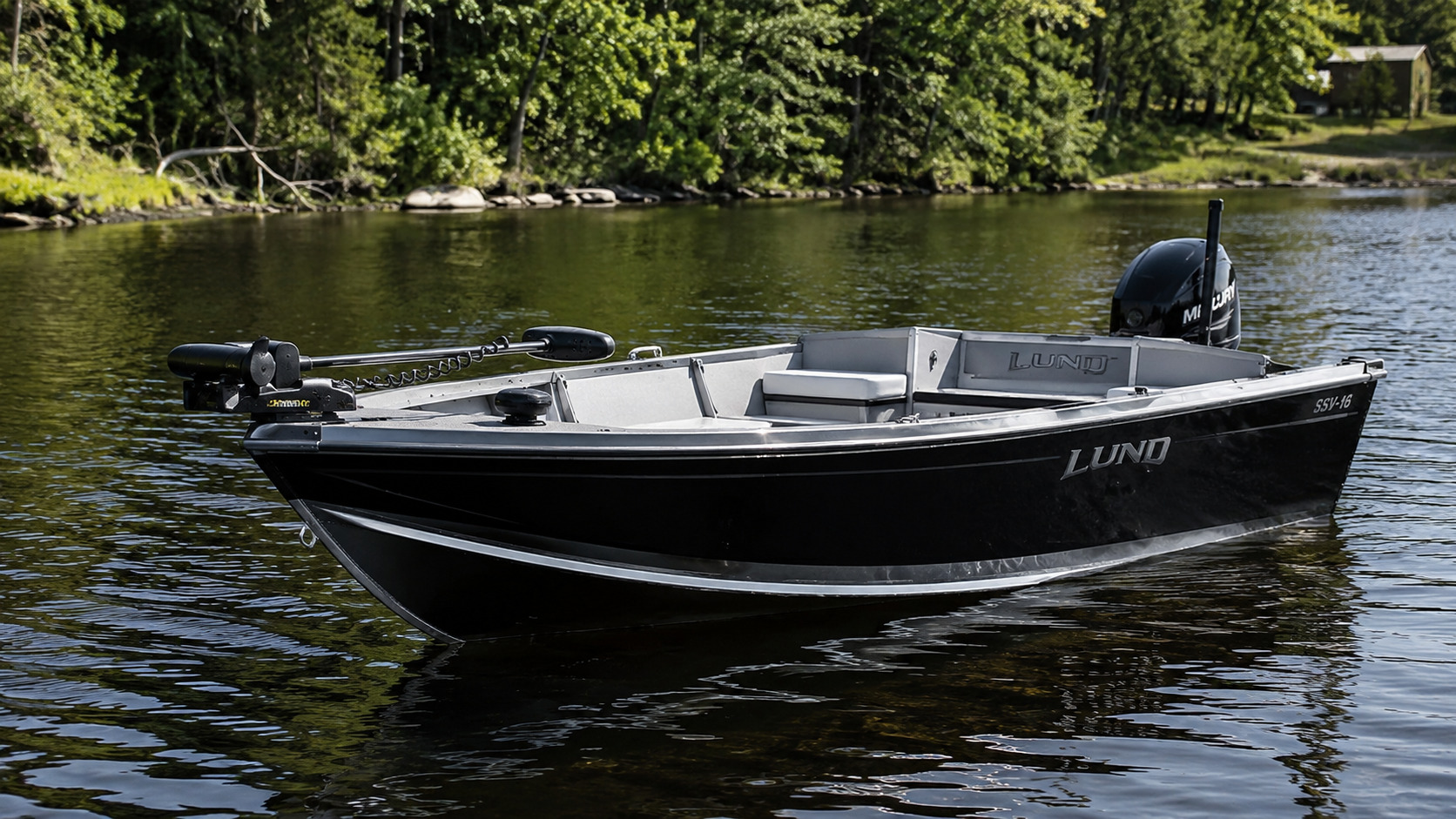
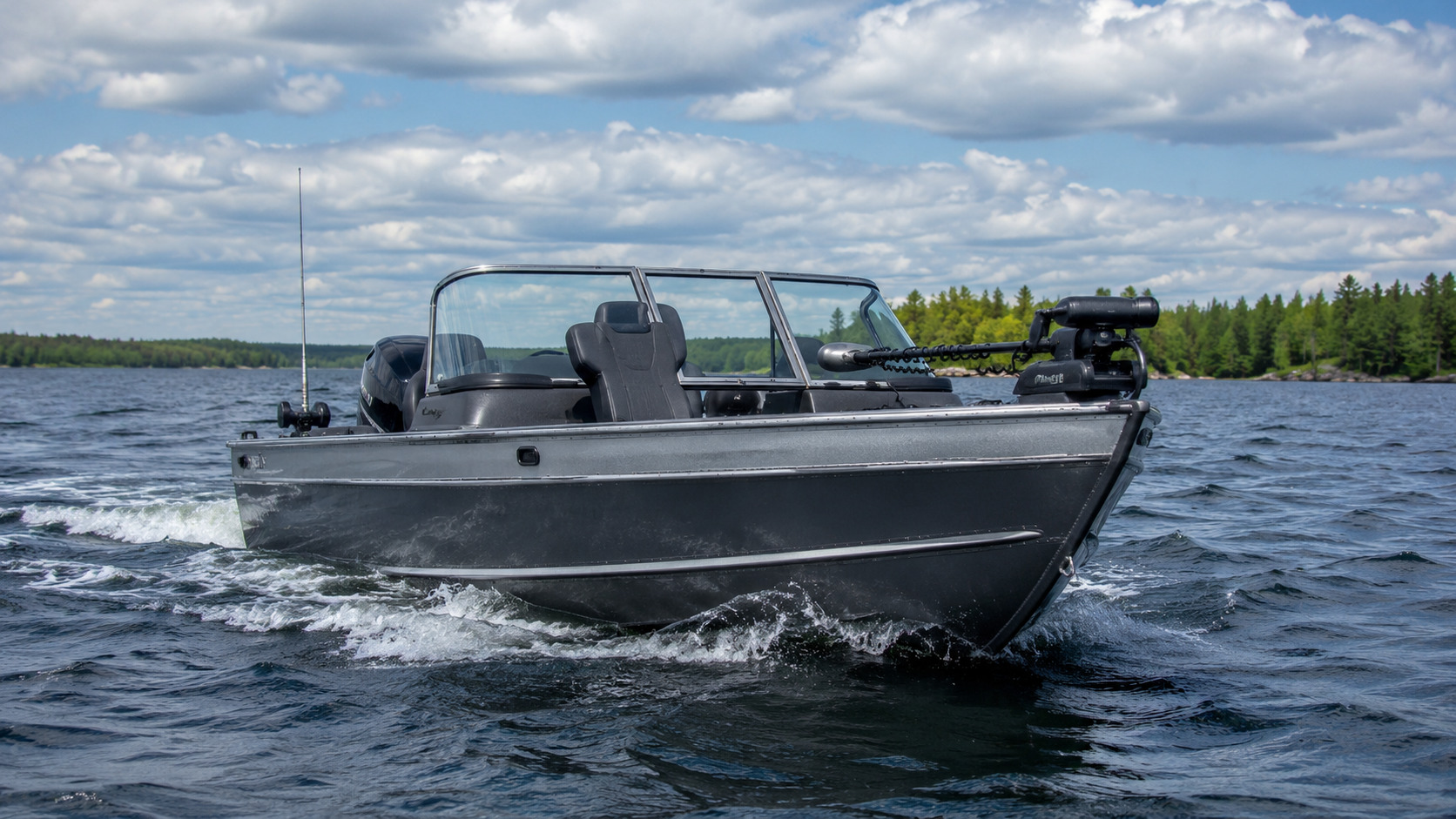
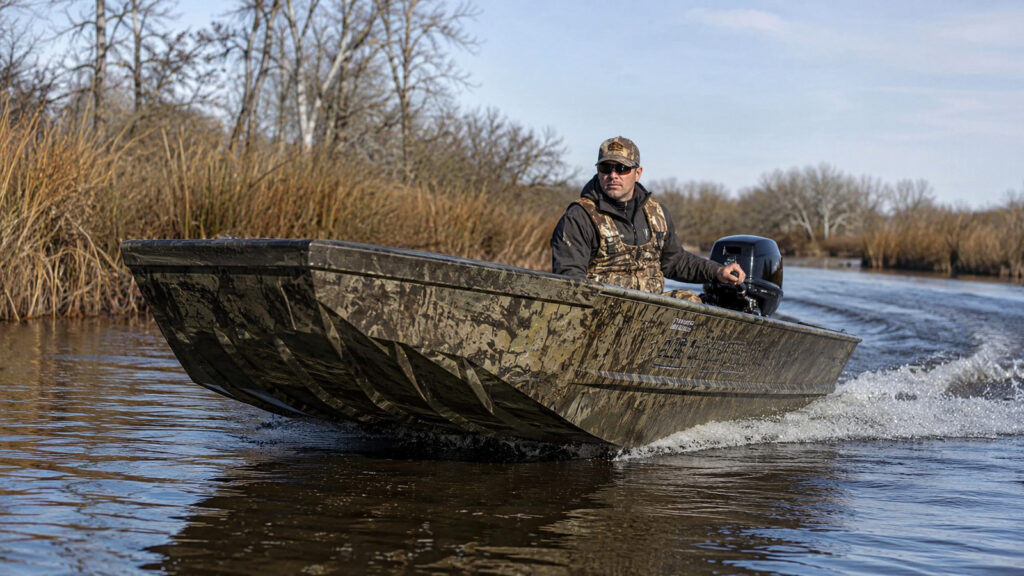
Utility boats split the difference between the jon and the console rig: vee bows that take real chop, bench layouts that haul crew or cargo, and construction graded for rental fleets and resource work.
The Lund WC keeps the classic tiller skiff alive, the SSV adds depth and size for family duty, and Heavy Gauge builds the plate hull that outfitters order when guests are rough and seasons are long.
These hulls are the resale sleeper of the catalog: demand never fades because the work never does.
Illustration only and not an offer of credit. Your actual rate and term depend on credit profile, vessel age, loan amount and ownership structure.
Buying Smart
Buy the right utility boat the first time
Who It Fits
Who buys utility aluminum
Buy utility aluminum for camps, cabins, fleets, tenders and first boats that must survive being loaned out. Simplicity is the feature list.
Comfort shoppers and speed shoppers should wander one page in either direction. Everyone who has ever bailed a borrowed boat already understands this page.
Flat water budgets do fine one page down at the jons, and anglers ready for layouts should open the fishing boats.
Price Reality
What utility boats really cost
WC skiffs start around two thousand, SSV packages run the mid four figures to low teens, and Heavy Gauge plate reaches the thirties where commercial specs apply.
Rated capacity is the spec that matters: buy the hull for the heaviest realistic load, not the average one, and the pricing stays rational.
Buying Used
Used workhorses worth chasing
Utility hulls are bought used with a flashlight: transom wood, rivet lines, keel wear. Everything important shows.
Fleet retired boats can be bargains or lessons. Service history decides which, and the model ranges mark the fair middle.
Finance the right utility boat
Get pre-approved before you shop utility boats
Tell us the boat, or just the budget. A Float Finance specialist comes back with real numbers on new, dealer and private-party utility boats, so you walk into the sea trial knowing exactly what you can spend.
New, dealer and private-party boats
Free warranty coverage on qualifying boats
A budget in hand before the sea trial
No obligation, and checking your options does not affect your credit score.
Vee bow versus flat bottom. If your water ever whitecaps, the utility vee earns its premium the first crossing. Pure shallow water stays jon territory.
Tiller keeps the floor open and the price down, and it rules under sixteen feet. Consoles appear on bigger SSV and Heavy Gauge builds where runs get longer.
Stubbornly. Low supply of clean examples meets permanent demand from camps and first timers. The spread between new and five years old is the smallest on the site.
The right utility boat is one application away
Buy once, loan it out for twenty years, apologize to no one. The workhorses are priced and waiting.